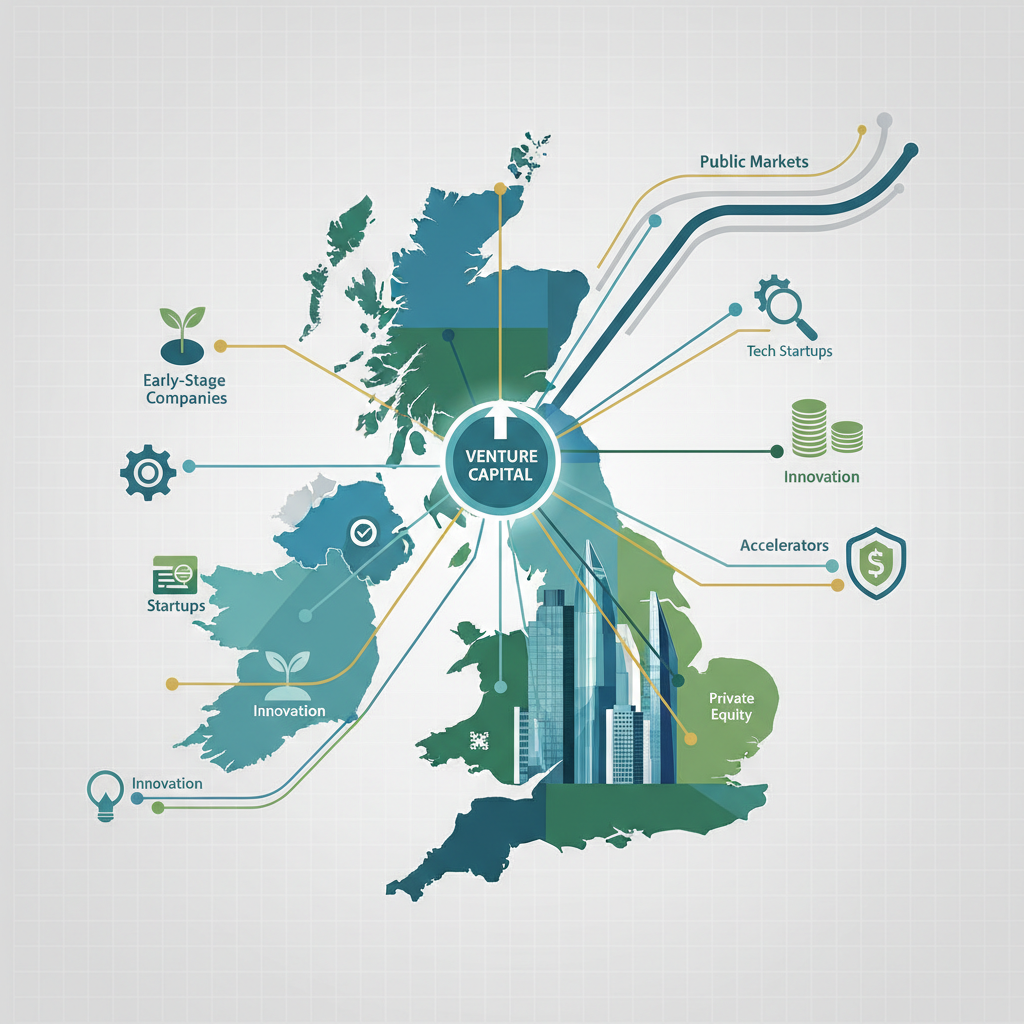
Best Banks for International Businesses in the United Kingdom
Discover the top traditional banks and digital financial platforms for international businesses operating in the UK. Compare multi-currency features, foreign exchange fees, and global payment capabilities.

Introduction to UK International Business Banking
Operating an international business from or within the United Kingdom requires a robust financial infrastructure. Traditional domestic business bank accounts often fall short when dealing with cross-border trade, foreign exchange volatility, and multi-currency payouts. Whether you are importing goods from Asia, paying remote contractors across Europe, or collecting revenue in US dollars, finding the right financial partner is crucial to minimizing overhead costs and streamlining operations.
Over recent years, the UK business banking landscape has transformed dramatically. While major high-street institutions continue to offer prestige, physical branch access, and comprehensive lending products, digital fintech alternatives have redefined cross-border speed and transparency. Choosing the best bank or financial platform for your international enterprise depends heavily on your transaction volume, required currency corridors, and whether your leadership team resides within the UK.
Leading Fintech Alternatives for Global Trade
For many modern enterprises, digital multi-currency account providers have become the default choice over traditional banking institutions. These platforms are explicitly engineered to handle high-velocity international trade without the traditional friction of legacy SWIFT networks.
Wise Business and WorldFirst
Wise Business consistently ranks as a premier choice for UK-based companies trading internationally. It allows users to hold, receive, and send over 40 currencies simultaneously, utilizing the real mid-market exchange rate for all conversions. Instead of punishing markup percentages typically charged by standard banks, Wise transparently charges a small conversion fee. Furthermore, it provides local account details—such as US routing numbers and European IBANs—allowing foreign clients to pay you as if you were a domestic business.
Similarly, WorldFirst is tailored heavily toward e-commerce sellers and cross-border traders. WorldFirst excels by providing local currency collection accounts in over ten key global markets. This allows marketplace sellers on platforms like Amazon or eBay to repatriate funds efficiently while avoiding multiple layers of currency conversion fees. Both platforms prioritize rapid digital onboarding, bypassing the lengthy appointments traditionally required by high-street lenders.
Revolut Business and Airwallex
Revolut Business and Airwallex cater aggressively to scaling companies requiring advanced corporate expense management and high-volume foreign exchange capabilities. Revolut offers multi-currency support alongside physical and virtual corporate cards that can be issued to team members globally. Its tiered subscription plans unlock higher allowances for fee-free international transfers and foreign exchange.
Airwallex stands out for businesses requiring seamless mass payouts and automated accounts receivable workflows. With competitive foreign exchange margins and robust API integrations, Airwallex allows businesses to automate international supplier payments and synchronize financial data directly with enterprise resource planning tools. These platforms offer an agile ecosystem that traditional legacy institutions struggle to match in terms of software integration and speed.
Established High-Street Banks for Global Enterprises
Despite the rise of fintech disruptors, traditional high-street banks retain vital advantages for established international corporations. Institutions like HSBC, Barclays, and Lloyds provide deep financial stability, dedicated relationship managers, and sophisticated corporate lending facilities that digital-only platforms may not immediately offer.
HSBC Business Banking and International Networks
HSBC remains a gold standard for multinational corporations operating out of the United Kingdom. Leveraging an extensive physical presence across more than sixty countries, HSBC bridges domestic UK operations with robust overseas subsidiary banking. For established firms dealing in large capital volumes, complex trade financing, or physical cash management, HSBC offers specialized multi-currency accounts and international business loans.
However, unlocking these comprehensive global services usually requires meeting strict compliance criteria, maintaining minimum balance requirements, and enduring longer setup times. Traditional banks also tend to apply wider profit margins on foreign exchange conversions compared to digital-first alternatives, meaning large transactions can incur substantial hidden costs if not actively managed through dedicated forward contracts or specialized currency accounts.
Factors to Consider When Choosing Your Provider
Selecting the ideal international business banking partner requires a rigorous audit of your company's specific transaction patterns. Examine the exact foreign exchange markups charged by the provider, as even a fraction of a percentage point can compound into significant expenses over hundreds of annual transactions.
Additionally, evaluate eligibility criteria regarding residency. Many traditional UK high-street banks mandate that at least one company director reside permanently within the United Kingdom. Conversely, digital platforms like Wise, Revolut, and Airwallex offer more flexible onboarding pathways for non-resident founders, provided the entity is legally registered with Companies House. Finally, review software compatibility; seamless integration with accounting software such as Xero or QuickBooks can save countless hours of manual reconciliation.
Summary
The optimal banking setup for an international business in the UK often involves a hybrid strategy. Digital platforms like Wise Business and Airwallex provide unmatched agility, minimal FX fees, and rapid multi-currency management for day-to-day global operations. Meanwhile, established high-street entities like HSBC offer the deep credit lines and international prestige required by mature corporations. By carefully weighing fee transparency, multi-currency capabilities, and regional compliance against your business model, you can secure a financial foundation designed for sustainable global growth.