Import and Export Licensing in Portugal: A Practical Guide for Businesses
Navigating the complexities of import and export licensing in Portugal is crucial for international trade. This guide provides a comprehensive overview of the regulatory framework, essential permits, and practical steps for businesses engaging in cross-border commerce with Portugal, ensuring compliance and operational efficiency.
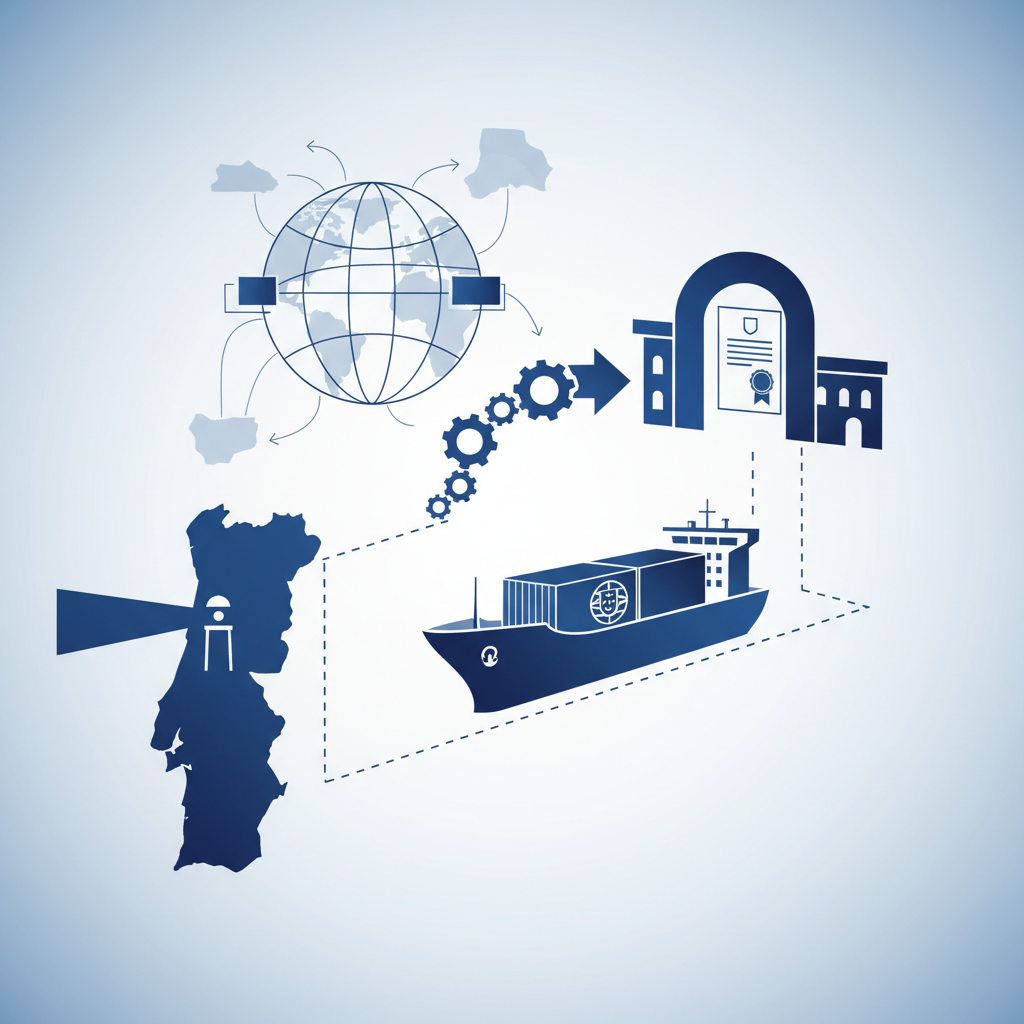
Import and Export Licensing in Portugal: A Practical Guide for Businesses
Portugal, strategically located at the crossroads of Europe, Africa, and the Americas, offers significant opportunities for international trade. However, engaging in import and export activities requires a thorough understanding of the country's regulatory framework, licensing requirements, and customs procedures. This guide aims to provide entrepreneurs and business professionals with a practical roadmap to navigate the intricacies of import and export licensing in Portugal, ensuring compliance and fostering smooth operations.
Understanding the Regulatory Landscape
Portugal, as a member state of the European Union (EU), adheres to both national and EU-wide regulations governing international trade. This dual regulatory environment means that businesses must comply with directives from the European Commission, particularly those related to the Common Commercial Policy, as well as specific Portuguese legislation. The primary national authority responsible for customs and excise duties is the Autoridade Tributária e Aduaneira (AT), or the Portuguese Tax and Customs Authority. Additionally, various ministries and agencies oversee specific product categories, such as health, agriculture, and defense.
For most goods traded within the EU single market, the principle of free movement of goods applies, meaning that import and export licenses are generally not required for goods originating from or destined for other EU member states, provided they comply with EU standards. However, for trade with non-EU countries (third countries), a more stringent set of rules and licensing requirements often comes into play. It is crucial for businesses to first determine the origin and destination of their goods to ascertain the applicable regulatory framework.
Key legislation includes the EU Customs Code (Regulation (EU) No 952/2013), which harmonizes customs procedures across the EU, and national laws that supplement these regulations, particularly concerning specific product categories, quotas, and prohibitions. Businesses should also be aware of international agreements and conventions to which Portugal is a signatory, as these can influence trade policies and licensing requirements.
Essential Permits and Licenses for Import and Export
While a general import/export license is not typically required for all goods in Portugal, specific permits and authorizations are necessary depending on the nature of the goods, their origin, and their destination. Understanding these specific requirements is paramount to avoid delays, penalties, and even seizure of goods.
EORI Number
The first and most fundamental requirement for any business engaged in import or export activities with non-EU countries is an Economic Operator Registration and Identification (EORI) number. This unique identification number, issued by the customs authority in an EU member state, is mandatory for all economic operators (businesses and individuals) involved in customs activities across the EU. In Portugal, the EORI number is usually the same as the company's NIF (Número de Identificação Fiscal) or VAT number, prefixed with 'PT'. Obtaining an EORI number is a straightforward process, typically done through the AT's online portal or by submitting a formal request.
Specific Product Licenses
Many categories of goods are subject to specific import or export licenses, often due to health, safety, environmental, or security concerns. These include, but are not limited to:
- Agricultural Products: Certain agricultural goods, especially those subject to the Common Agricultural Policy (CAP) or sanitary and phytosanitary (SPS) measures, may require import licenses (e.g., for specific quotas) or phytosanitary certificates for plants and plant products, and veterinary certificates for animals and animal products. The Direção-Geral de Alimentação e Veterinária (DGAV) is the main authority for these.
- Pharmaceuticals and Medical Devices: The import and export of medicines, medical devices, and other health-related products are strictly regulated by Infarmed (Autoridade Nacional do Medicamento e Produtos de Saúde, I.P.). These often require specific marketing authorizations, import permits, and compliance with Good Manufacturing Practices (GMP).
- Chemicals and Hazardous Materials: The import and export of chemicals, particularly those classified as hazardous, are subject to stringent controls under EU REACH (Registration, Evaluation, Authorisation and Restriction of Chemicals) regulations and national legislation. Permits may be required from the Agência Portuguesa do Ambiente (APA).
- Dual-Use Items: Goods that can be used for both civilian and military purposes (dual-use items) are subject to strict export controls under EU Regulation (EU) 2021/821. Export licenses for these items are issued by the Direção-Geral das Atividades Económicas (DGAE) and require detailed documentation and end-user statements.
- Cultural Goods and Artworks: The export of cultural goods, including antiques and artworks, is regulated to protect national heritage. Permits from the Direção-Geral do Património Cultural (DGPC) may be necessary.
- Waste: The transboundary movement of waste is heavily regulated under the Basel Convention and EU regulations. Specific permits from the APA are required.
Other Authorizations
Beyond product-specific licenses, businesses might need other authorizations, such as:
- Customs Warehousing Authorization: For storing goods under customs control without paying duties and taxes immediately.
- Inward/Outward Processing Relief: For processing goods temporarily imported/exported without paying duties.
- Authorized Economic Operator (AEO) Status: While not a license, AEO status can significantly streamline customs procedures, offering benefits like fewer physical and document-based controls, priority treatment, and simplified declarations.
The Application Process: Steps and Documentation
The application process for import and export licenses in Portugal typically involves several steps, varying based on the type of goods and the specific license required. However, some general principles apply:
- Identify the Goods and HS Code: Accurately classify your goods using the Harmonized System (HS) code. This 6-digit international code, extended to 8 or 10 digits for EU purposes (TARIC code), determines applicable duties, taxes, and specific licensing requirements.
- Determine Regulatory Requirements: Research the specific national and EU regulations applicable to your goods. This involves identifying the responsible authority and the necessary permits.
- Gather Required Documentation: Common documents include:
- Commercial invoice
- Packing list
- Bill of lading/Air waybill
- Certificate of origin
- EORI number
- Specific product certificates (e.g., phytosanitary, veterinary, health certificates)
- Technical specifications, safety data sheets (for chemicals), and conformity declarations (CE marking)
- End-user certificates (for dual-use items)
- Insurance documents
- Submit Application: Applications are generally submitted online through the respective authority's portal or via physical submission. The AT's portal is central for customs declarations, while other agencies have their own platforms.
- Pay Fees: Application fees vary significantly depending on the type of license. These fees are typically non-refundable.
- Await Approval: Processing times can range from a few days to several weeks or even months for complex cases (e.g., dual-use items, pharmaceuticals). It is crucial to factor these timelines into your business planning.
- Customs Declaration: Once licenses are obtained, goods must be declared to customs upon import or export using the Single Administrative Document (SAD) or electronic customs declaration systems (e.g., the Portuguese e-Customs platform).
Costs and Timelines
Costs associated with import and export licensing in Portugal are multifaceted. They include:
- Application Fees: These vary widely depending on the type of license and the issuing authority. Some basic registrations might be free or have minimal fees, while complex licenses for regulated products can incur significant costs.
- Consultancy Fees: Many businesses opt to engage customs brokers, freight forwarders, or legal consultants to assist with the licensing process and customs declarations, adding to the overall cost.
- Compliance Costs: Investing in internal systems, training, and audits to ensure ongoing compliance with regulations.
- Duties and Taxes: Import duties (tariffs), VAT (Value Added Tax), and excise duties are separate from licensing fees but are a major cost component of international trade. VAT in Portugal is generally 23%, with reduced rates for certain goods.
Timelines are equally variable. Simple EORI registration can be almost immediate. However, obtaining specific product licenses can be time-consuming:
- Agricultural/Food Products: A few days to a few weeks for certificates.
- Pharmaceuticals/Medical Devices: Several months, given the rigorous assessment process.
- Dual-Use Items: Typically 4-8 weeks, but can be longer depending on the complexity and the need for inter-agency consultation.
Businesses are strongly advised to initiate the licensing process well in advance of their planned import or export operations to avoid costly delays. Proactive engagement with relevant authorities and seeking professional advice can significantly streamline the process.
Conclusion
Navigating import and export licensing in Portugal requires diligence, attention to detail, and a clear understanding of both national and EU regulations. While the process can appear complex, particularly for highly regulated goods, a structured approach can mitigate risks and ensure compliance. Key takeaways for businesses include obtaining an EORI number, accurately classifying goods, identifying specific product licenses, meticulously preparing documentation, and factoring in realistic timelines and costs. Engaging with experienced customs brokers or legal professionals can provide invaluable support, helping businesses to efficiently tap into Portugal's strategic trade position and expand their international reach successfully. By adhering to these guidelines, companies can ensure their cross-border operations in Portugal are both compliant and commercially viable.