Import and Export Licensing in Switzerland: A Practical Guide for Businesses
Navigating the complexities of import and export licensing in Switzerland is crucial for international trade. This guide provides a comprehensive overview of regulations, processes, and key considerations for businesses engaging in cross-border commerce with or from Switzerland, ensuring compliance and operational efficiency.
Introduction to Swiss Import and Export Regulations
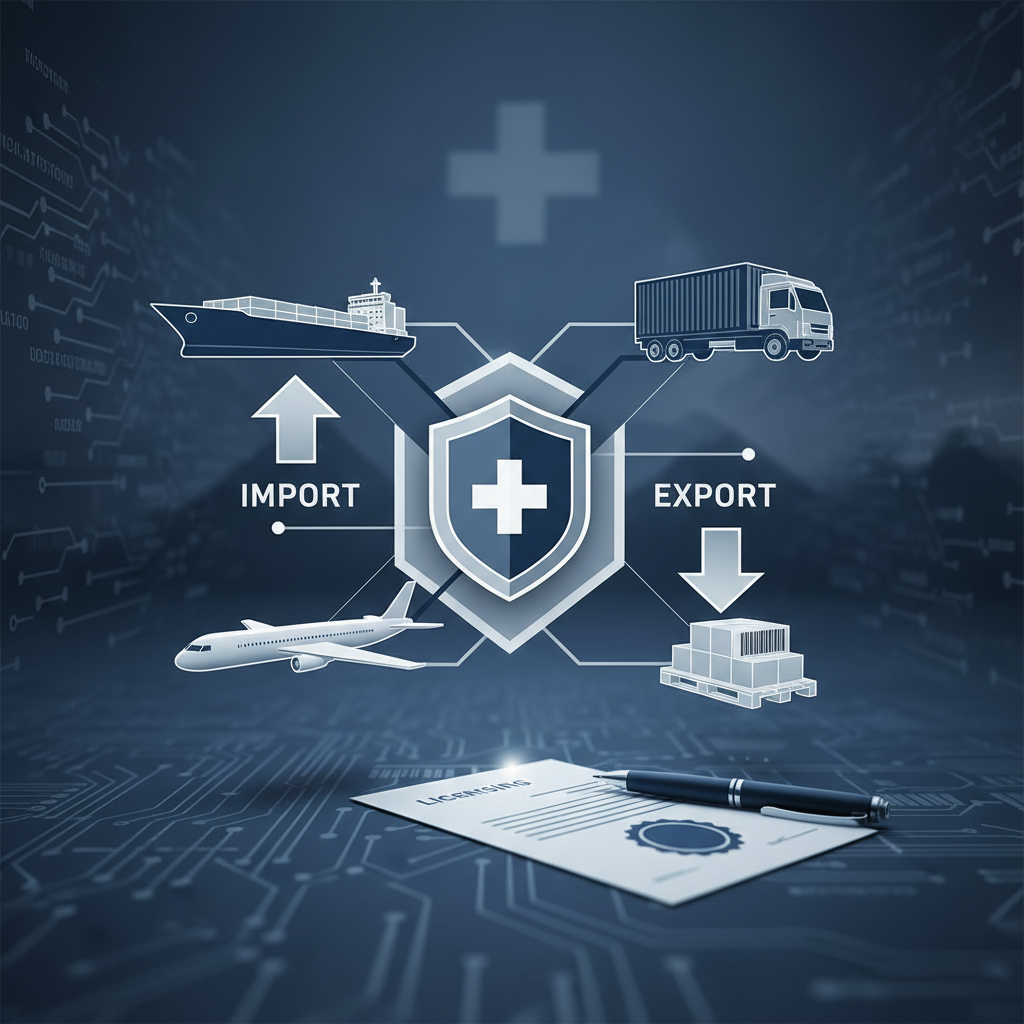
Switzerland, despite not being part of the European Union, maintains a highly integrated and sophisticated trade environment. Its strategic location, stable economy, and robust legal framework make it an attractive hub for international trade. However, businesses looking to import or export goods to or from Switzerland must navigate a specific set of regulations, licenses, and procedures to ensure compliance. While Switzerland generally promotes free trade, certain goods are subject to strict controls due to safety, security, environmental, health, or strategic reasons. Understanding these requirements is paramount for avoiding delays, penalties, and ensuring smooth customs clearance.
This guide provides a practical overview for entrepreneurs and business professionals on the essential aspects of import and export licensing in Switzerland. We will delve into the regulatory landscape, identify common types of controlled goods, outline the application processes, and offer actionable insights to facilitate compliant and efficient cross-border trade.
Key Regulatory Bodies and Legal Framework
The primary authority responsible for customs and trade regulations in Switzerland is the Federal Customs Administration (FCA), now integrated into the Federal Office for Customs and Border Security (FOCBS). The FOCBS oversees the application of customs laws, collects duties and taxes, and enforces import and export restrictions. Several other federal offices and agencies also play crucial roles depending on the nature of the goods:
- State Secretariat for Economic Affairs (SECO): Responsible for export controls on dual-use goods, military goods, and sanctions implementation.
- Federal Office of Public Health (FOPH): Regulates pharmaceuticals, medical devices, and certain food products.
- Federal Office for Agriculture (FOAG): Oversees the import and export of agricultural products.
- Federal Office for the Environment (FOEN): Manages regulations concerning hazardous waste and endangered species.
Switzerland's legal framework for trade is primarily based on the Customs Act, the Foreign Trade Act, and numerous ordinances that specify detailed requirements for various product categories. Switzerland's extensive network of free trade agreements (FTAs), including the one with the EU, also significantly impacts import and export procedures, often leading to reduced or eliminated customs duties, provided rules of origin are met.
General Principles of Swiss Trade
While specific licenses are required for controlled goods, it's important to note that many goods can be imported or exported without a special license, provided they meet general customs requirements, such as proper declaration, payment of duties and VAT, and adherence to product safety standards. The principle of 'free movement of goods' is a cornerstone, but it is always subject to public interest exceptions. Businesses should always verify the specific Harmonized System (HS) code of their product to determine if any restrictions or licensing requirements apply.
Identifying Goods Requiring Import or Export Licenses
Not all goods require specific licenses, but a significant number do, particularly those with potential risks or strategic importance. Categorizing these goods helps businesses proactively identify their obligations.
Common Categories of Controlled Goods:
-
Dual-Use Goods: These are items, software, and technology that can be used for both civilian and military purposes. Examples include advanced electronics, certain chemicals, and high-precision machinery. Exporting dual-use goods from Switzerland almost always requires an export license from SECO, regardless of the destination, though simplified procedures or general licenses may apply for certain destinations or low-risk items.
-
Military Goods: Weapons, ammunition, and other military equipment are subject to stringent export controls by SECO, often requiring individual licenses and adherence to international non-proliferation treaties.
-
Chemicals and Hazardous Substances: The import and export of certain chemicals, especially those listed under international conventions like the Rotterdam Convention (PIC procedure) or the Chemical Weapons Convention, require specific permits from the FOEN or FOPH.
-
Pharmaceuticals and Medical Devices: Products intended for human or animal health are heavily regulated. Swissmedic is the primary authority for marketing authorization, and specific import/export licenses might be required for certain categories, especially for controlled substances or investigational products.
-
Food Products and Agricultural Goods: Imports of food, plants, and animals are subject to phytosanitary and veterinary controls by the FOAG and the Federal Food Safety and Veterinary Office (FSVO). Quotas, tariffs, and specific import licenses (e.g., for certain meat products, dairy, or cereals) are common.
-
Waste and Recyclables: The transboundary movement of waste is regulated by the FOEN, adhering to international agreements like the Basel Convention. Specific permits are required for the import or export of certain waste types.
-
Cultural Goods: The import and export of cultural property (e.g., artworks, archaeological artifacts) are regulated to prevent illicit trade, often requiring permits from the Federal Office of Culture.
-
Endangered Species (CITES): Trade in endangered species of wild fauna and flora, and their products, is strictly controlled under the CITES convention, administered by the FOEN, requiring specific permits.
It is crucial for businesses to accurately classify their goods using the HS code system, as this classification directly determines the applicable duties, taxes, and any licensing requirements. Consulting the Tares database (Swiss customs tariff) is an essential first step.
Application Processes, Costs, and Timelines
The application process for import and export licenses in Switzerland varies significantly depending on the type of goods and the issuing authority. However, some general steps and considerations apply.
General Application Steps:
- Product Classification: Determine the correct HS code for your goods. This is foundational for identifying all relevant regulations.
- Identify Issuing Authority: Based on the HS code and product type, identify which federal office or agency is responsible for issuing the necessary license.
- Gather Documentation: Prepare all required documents. This typically includes:
- Company registration details (commercial register extract)
- Detailed product descriptions, technical specifications, and safety data sheets (SDS)
- End-user certificates (EUC) for dual-use or military goods
- Purchase orders or sales contracts
- Transport documents (e.g., bill of lading, air waybill)
- Certificates of origin
- Health, phytosanitary, or veterinary certificates
- Previous import/export permits, if applicable
- Submit Application: Applications are generally submitted online through the respective authority's portal (e.g., E-Licensing for SECO, specific forms for FOAG or FOEN). Some applications may still require physical submission.
- Pay Fees: Licensing fees vary widely, from a few hundred to several thousand Swiss Francs, depending on the complexity and type of license. These fees are usually non-refundable.
- Await Decision: Processing times can range from a few days for routine permits to several weeks or even months for complex cases, such as dual-use goods or military exports. It is advisable to apply well in advance of your planned shipment date.
Costs and Timelines:
- Fees: Expect administrative fees for license applications. For example, SECO export licenses for dual-use goods can range from CHF 100 to CHF 500 per application. Agricultural import quotas might involve higher fees or auction mechanisms. Swissmedic product registrations can be significantly more expensive.
- Timelines: Simple permits (e.g., for certain agricultural products) might be processed within 5-10 working days. Dual-use export licenses can take 3-6 weeks, while military goods or highly sensitive items may require 2-3 months or more, especially if inter-agency consultations are needed. Delays often occur due to incomplete documentation or requests for additional information.
Compliance and Record Keeping:
Once a license is obtained, strict adherence to its conditions is mandatory. Businesses must maintain meticulous records of all import and export transactions, including licenses, customs declarations, and supporting documents, for at least 10 years. Regular internal audits are recommended to ensure ongoing compliance. Non-compliance can result in severe penalties, including fines, confiscation of goods, and even imprisonment for serious offenses.
Practical Tips and Actionable Insights
Navigating Swiss import and export licensing can be streamlined with a proactive and informed approach.
- Early Planning is Key: Do not wait until the last minute to investigate licensing requirements. Start the process well in advance of your planned shipping date, especially for new products or new markets.
- Accurate HS Classification: Invest time in correctly classifying your goods. If unsure, seek professional advice from customs brokers, trade consultants, or the FOCBS directly. Incorrect classification is a common source of delays and penalties.
- Leverage Free Trade Agreements (FTAs): Switzerland has an extensive network of FTAs. Understand how these agreements can benefit your business by reducing or eliminating customs duties. This often requires proving the origin of your goods through certificates of origin.
- Consult Experts: For complex cases, particularly involving dual-use goods, pharmaceuticals, or agricultural quotas, engage with specialized customs brokers, legal advisors, or trade consultants who have expertise in Swiss regulations. Their insights can save significant time and prevent costly errors.
- Stay Updated: Trade regulations are dynamic. Regularly check the websites of the FOCBS, SECO, and other relevant federal offices for updates to laws, ordinances, and sanction lists. Subscribing to their newsletters is a good practice.
- Internal Compliance Programs: For businesses with frequent international trade activities, establish robust internal compliance programs. This includes training staff, implementing clear procedures, and conducting regular checks to ensure adherence to all licensing and customs requirements.
- Digitalization: Utilize the FOCBS's digital services where available, such as e-dec for customs declarations and E-Licensing for SECO permits. Digital submissions are often faster and more efficient.
- Risk Assessment: Conduct a thorough risk assessment for each trade transaction. Consider the destination country, the end-user, and the potential end-use of your goods, especially for dual-use items, to mitigate risks of diversion or non-compliance with international sanctions.
Conclusion
Switzerland's position as a global trading nation is underpinned by a well-defined, albeit complex, system of import and export regulations. While the country generally favors free trade, specific licensing requirements are in place for a wide array of goods to protect national interests, public health, safety, and the environment, and to uphold international obligations. Businesses engaging in cross-border trade with Switzerland must commit to a thorough understanding of these regulations.
Key takeaways include the critical importance of accurate product classification, early engagement with relevant authorities like the FOCBS and SECO, diligent preparation of documentation, and a proactive approach to compliance. By adhering to the outlined processes, leveraging expert advice, and staying informed about regulatory changes, businesses can navigate the Swiss import and export landscape effectively, ensuring smooth operations, avoiding penalties, and ultimately fostering successful international trade relationships. Compliance is not merely a legal obligation; it is a strategic imperative for sustainable business growth in the Swiss market.