Import and Export Licensing in the Netherlands: A Comprehensive Practical Guide
Navigating the complexities of import and export licensing in the Netherlands is crucial for international trade. This guide provides entrepreneurs and business professionals with a detailed overview of regulations, processes, and practical considerations to ensure compliance and smooth operations.
Import and Export Licensing in the Netherlands: A Comprehensive Practical Guide
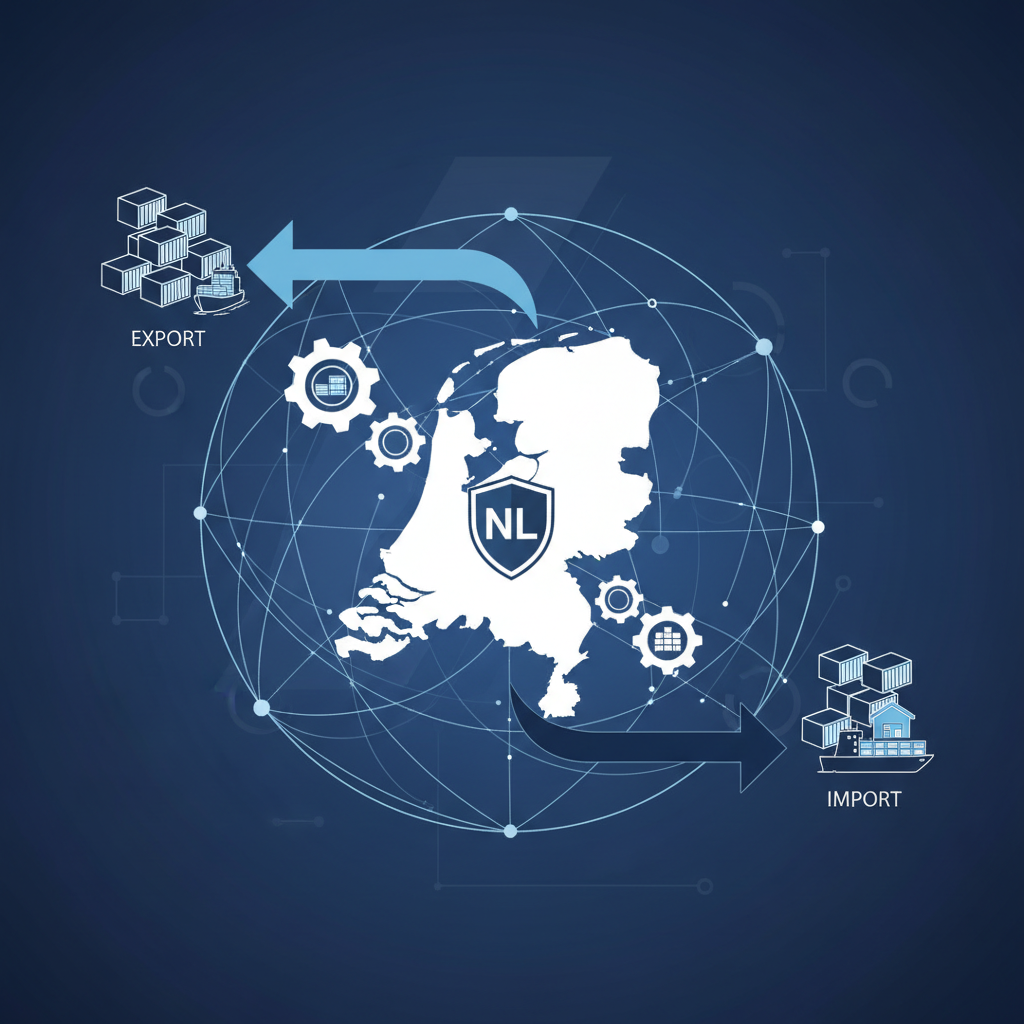
The Netherlands, with its strategic geographical location, world-class port facilities, and robust logistics infrastructure, stands as a pivotal hub for international trade within Europe and globally. For businesses looking to leverage this advantage, understanding the intricacies of import and export licensing is not merely a formality but a critical component of successful and compliant operations. This guide offers a practical, in-depth look at the regulatory landscape, essential processes, and key considerations for businesses engaged in cross-border trade in the Netherlands.
Understanding the Regulatory Framework
The Dutch import and export licensing framework is primarily shaped by European Union (EU) regulations, as the Netherlands is a member state. This means that a significant portion of the rules and procedures are harmonised across the EU, aiming to facilitate free movement of goods within the single market while controlling external trade. However, national legislation complements these EU rules, particularly concerning specific product categories, national security, and cultural heritage.
EU Customs Code and National Implementation
The Union Customs Code (UCC) is the cornerstone of EU customs legislation, establishing general rules and procedures applicable to goods traded with non-EU countries. It covers aspects such as customs declarations, customs procedures (e.g., import, export, transit), customs value, origin of goods, and duties. In the Netherlands, the Dutch Customs Administration (Douane) is responsible for implementing and enforcing these regulations. Businesses must be familiar with the UCC and its delegated and implementing acts, as well as national legislation like the Customs Act (Douanewet).
Types of Licenses and Permits
Not all goods require specific licenses for import or export. The necessity for a license typically depends on the nature of the goods, their origin or destination, and their intended use. Common categories requiring licenses include:
- Dual-use items: Goods, software, and technology that can be used for both civilian and military purposes. These are subject to strict controls due to their potential for misuse in weapons of mass destruction or conventional arms programmes. The Dutch Central Import and Export Office (CDIU) is the primary authority for issuing dual-use permits.
- Strategic goods: Military goods, specific technologies, and related services. These are subject to national and international arms control regimes.
- Agricultural products: Certain agricultural products may be subject to import or export licenses under the Common Agricultural Policy (CAP) of the EU, often related to quotas or specific market management measures.
- Cultural goods: Export of cultural heritage items (e.g., art, antiques) may require a license to prevent their unlawful removal from the country.
- Hazardous waste and chemicals: Strict regulations apply to the cross-border movement of hazardous waste (under the Basel Convention) and certain chemicals (under the Rotterdam Convention and EU POPs Regulation).
- Endangered species: Trade in endangered flora and fauna (CITES-listed species) is heavily regulated and requires permits.
- Pharmaceuticals and medical devices: Import and export are subject to strict health and safety regulations, often requiring specific authorisations from national health authorities.
The Import and Export Process: A Step-by-Step Guide
Navigating the import and export process in the Netherlands involves several key steps, each requiring careful attention to detail and compliance.
1. Classification of Goods
The first and most crucial step is to correctly classify your goods using the Harmonised System (HS) codes, which are internationally standardised. In the EU, these codes are further detailed into the Combined Nomenclature (CN) and Taric codes. Correct classification determines applicable tariffs, taxes, and whether any licenses or specific regulations apply. Mistakes in classification can lead to delays, fines, or incorrect duty payments.
2. Determining Origin and Value
The origin of goods (non-preferential or preferential) impacts customs duties and trade policy measures. Preferential origin allows for reduced or zero duties under free trade agreements. The customs value, typically the transaction value, is the basis for calculating import duties and VAT. Accurate determination of both is essential for compliance.
3. Obtaining Necessary Licenses and Permits
If your goods fall into one of the categories requiring a license, you must apply to the relevant Dutch authority. For dual-use and strategic goods, applications are submitted to the CDIU. The application process typically involves providing detailed information about the goods, the end-user, the destination, and the purpose of the transaction. Processing times can vary significantly, from a few weeks to several months, depending on the complexity and sensitivity of the goods. It is advisable to apply well in advance of your planned shipment date.
4. Customs Declarations
For both imports and exports, a customs declaration must be submitted to the Dutch Customs Administration. This is typically done electronically via the AGS (Automated System for Customs Declarations) system or through a customs broker. The declaration includes details such as the HS code, origin, value, consignor, consignee, and any relevant license numbers. For imports, duties, VAT, and any other applicable taxes must be paid or secured.
5. Customs Procedures and Clearance
Upon submission of the declaration, customs authorities may perform checks, including document verification or physical inspections of the goods. Once cleared, goods can be released for free circulation (import) or allowed to leave the customs territory (export). Businesses can also opt for special customs procedures, such as customs warehousing, inward processing, or outward processing, to defer or reduce duties under specific conditions.
Practical Considerations and Actionable Insights
Engage with Experts
Navigating the complex world of import and export regulations can be challenging. For businesses new to international trade or dealing with sensitive goods, engaging with customs consultants, freight forwarders, or legal experts specialising in trade law can be invaluable. They can provide guidance on classification, origin, licensing requirements, and compliance, helping to mitigate risks and ensure smooth operations.
Maintain Meticulous Records
Customs authorities can audit businesses for up to several years after a transaction. Maintaining comprehensive and accurate records of all import and export activities, including declarations, invoices, transport documents, origin certificates, and license approvals, is paramount. This demonstrates due diligence and facilitates any potential audits.
Stay Updated on Regulatory Changes
International trade regulations are dynamic and subject to frequent changes, particularly concerning sanctions, dual-use controls, and environmental policies. Businesses must proactively monitor updates from the EU Commission, the Dutch Customs Administration, and relevant industry bodies to ensure ongoing compliance. Subscribing to official newsletters and attending industry seminars can be beneficial.
Consider Authorised Economic Operator (AEO) Status
For businesses regularly involved in international trade, obtaining Authorised Economic Operator (AEO) status can offer significant advantages. AEO certification, granted by customs authorities, signifies that a business meets certain criteria regarding security, compliance, and financial solvency. Benefits include fewer physical and document-based controls, priority treatment, and simplified customs procedures, leading to faster clearance and reduced costs.
Cost and Timelines
The costs associated with import and export primarily include customs duties, VAT, excise duties (if applicable), and service fees from customs brokers or freight forwarders. License application fees are generally minimal or non-existent for most standard licenses, but indirect costs arise from the time and resources invested in preparing applications and ensuring compliance. Timelines for obtaining licenses can vary widely, from a few weeks for straightforward cases to several months for complex dual-use or strategic goods, especially if inter-agency consultations are required. Planning ahead is crucial.
Conclusion
The Netherlands offers an excellent gateway for international trade, but success hinges on a thorough understanding and diligent adherence to its import and export licensing requirements. By correctly classifying goods, understanding origin and value, proactively securing necessary licenses, and meticulously managing customs declarations, businesses can navigate the regulatory landscape effectively. Engaging with experts, maintaining robust record-keeping, and staying abreast of regulatory changes are not just best practices but essential strategies for ensuring compliance, avoiding penalties, and optimising trade operations in this vital European hub. Embracing these principles will empower businesses to unlock the full potential of international commerce through the Netherlands, fostering growth and expanding global reach.