Navigating Fintech and Digital Banking Options in the United Kingdom
A comprehensive examination of the United Kingdom's evolving fintech and digital banking landscape, highlighting major trends, neobank maturation, regulatory shifts, and technological innovations shaping the modern financial ecosystem.
Introduction to the UK Digital Banking Ecosystem
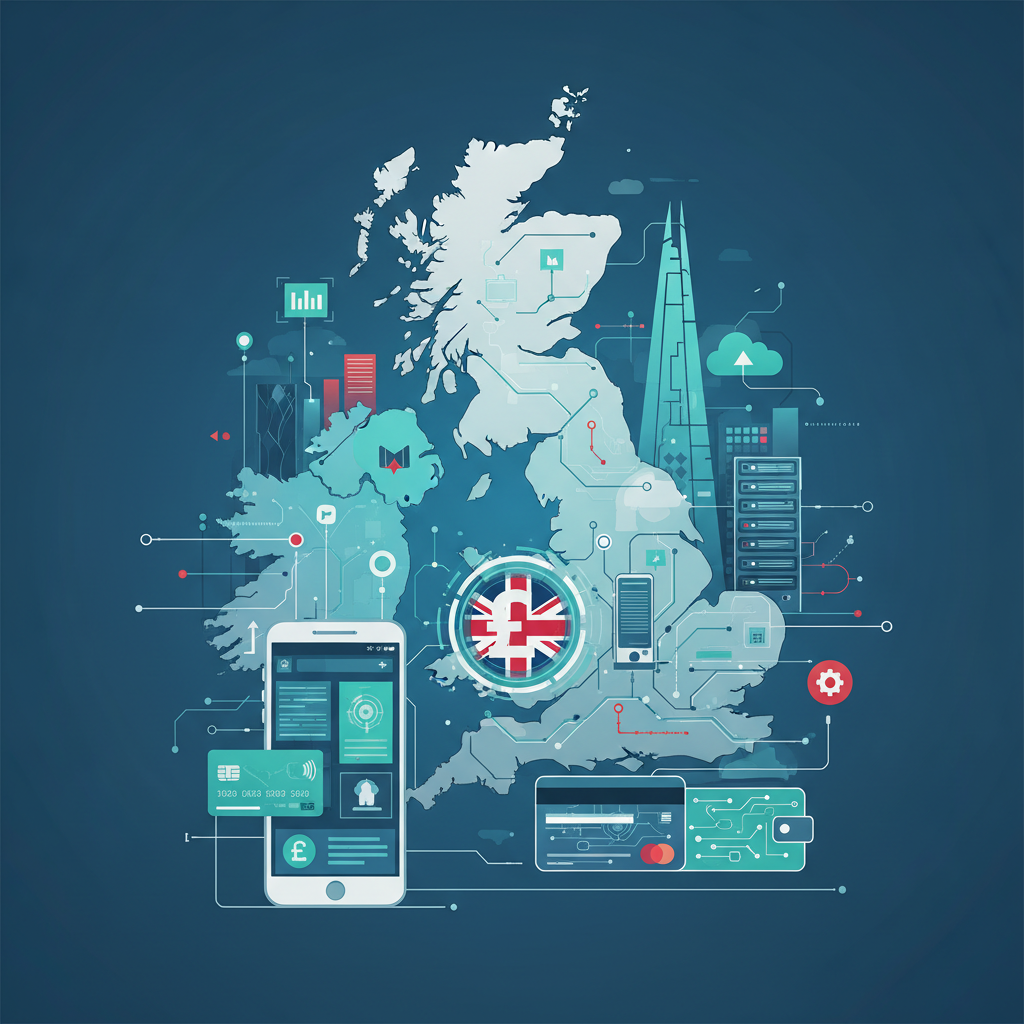
The United Kingdom has long maintained its position as a global epicentre for financial technology and digital banking innovation. Driven by a progressive regulatory framework, high rates of smartphone penetration, and a culturally tech-savvy consumer base, the UK financial sector has transitioned rapidly away from traditional brick-and-mortar models. Today, digital banking is no longer a niche alternative utilized exclusively by early adopters; it has firmly embedded itself as the default standard for millions of retail and business customers alike.
As the market matures, the competitive dynamics continue to shift. Incumbent high-street legacy institutions are engaged in continuous digital transformation, while pioneering neobanks and specialized fintech companies move beyond rapid customer acquisition phases to cement sustainable, profitable business models. This comprehensive analysis explores the key segments, technological enablers, regulatory frameworks, and future trajectories defining digital banking and fintech across the United Kingdom.
The Maturation and Evolution of Neobanks
Digital-first, app-based challenger banks—commonly referred to as neobanks—have fundamentally altered consumer expectations within the UK market. Pioneers such as Monzo, Revolut, and Starling Bank have scaled aggressively, evolving from simple prepaid card providers or secondary account options into comprehensive, primary financial institutions.
Transition to Profitability and Scale
For many years, the primary metric of success for UK neobanks was volume—measuring growth purely by the sheer number of registered accounts. However, recent financial disclosures indicate a vital pivot toward commercial viability and sustainable profitability. By diversifying revenue streams beyond interchange fees, these entities now generate substantial income through diversified product offerings, including premium subscription tiers, automated savings features, international money transfers, and integrated lending products.
Expanding Product Suites for Retail and SME Customers
Neobanks are increasingly capturing market share by targeting specific demographics with precision. While consumer accounts dominate public awareness, small and medium-sized enterprises (SMEs) have emerged as a core revenue engine. Specialized digital business accounts offer advanced expense management, automated tax calculations, and seamless integration with corporate software suites. This comprehensive utility makes digital alternatives exceptionally attractive compared to cumbersome legacy business banking models.
Technological Enablers: Open Banking and Artificial Intelligence
The explosive growth of UK fintech is heavily underpinned by ground-breaking technological infrastructure and regulatory foresight, particularly regarding data portability and automated intelligence.
Open Banking and the Shift Toward Open Finance
Since its inception, the UK's Open Banking framework has acted as a catalyst for market competition. By allowing consumers and businesses to safely share their financial data with authorized third-party providers via Application Programming Interfaces (APIs), the ecosystem has spawned innovative budgeting tools, swift alternative lending verification systems, and holistic financial health dashboards. Building upon this foundation, the continuous evolution toward Open Finance expands these data-sharing mandates into wider asset classes, pensions, and investments. This interconnected architecture enables hyper-personalized financial management and fosters unprecedented levels of financial inclusion.
The Rise of Artificial Intelligence in Daily Finance
Artificial intelligence has transitioned from an experimental backend mechanism to a front-facing utility adopted by millions of UK consumers. Major retail banks and fintech platforms alike deploy machine learning algorithms for real-time fraud detection, anti-money laundering compliance, and automated credit scoring. On the consumer side, millions of UK adults utilize AI-driven assistants weekly to analyze spending habits, optimize savings, and navigate personalized wealth management strategies. Transparency, accuracy, and robust data security remain critical factors in maintaining consumer trust as automated decision-making deepens.
Regulatory Landscape and Compliance Challenges
The regulatory environment overseen by the Financial Conduct Authority (FCA) and the Prudential Regulation Authority (PRA) remains a cornerstone of the UK's fintech advantage. Through initiatives like the regulatory sandbox, fintech startups can test innovative products in a controlled environment under regulatory supervision.
However, compliance demands have grown increasingly complex. Regulatory bodies place intense scrutiny on operational resilience, consumer duty obligations, and anti-fraud protocols. As digital transactions surge, new frameworks addressing digital assets as personal property and tightening payment security standards require financial institutions to invest continuously in robust compliance infrastructure. Balancing agile innovation with rigorous risk mitigation remains a primary operational challenge for market participants.
Conclusion
The United Kingdom’s fintech and digital banking sector continues to display remarkable resilience, characterized by robust investment inflows and continuous technological advancement. Neobanks have matured into profitable powerhouses, open finance is redefining personalization, and artificial intelligence is fundamentally changing how consumers interact with their money. While regulatory compliance and cybersecurity demands remain high, the collaborative ecosystem between traditional institutions and agile fintech innovators ensures that the UK will retain its status as a premier global destination for financial technology advancement.