Navigating Funding Options for Startups and SMEs in Malta: A Comprehensive Guide
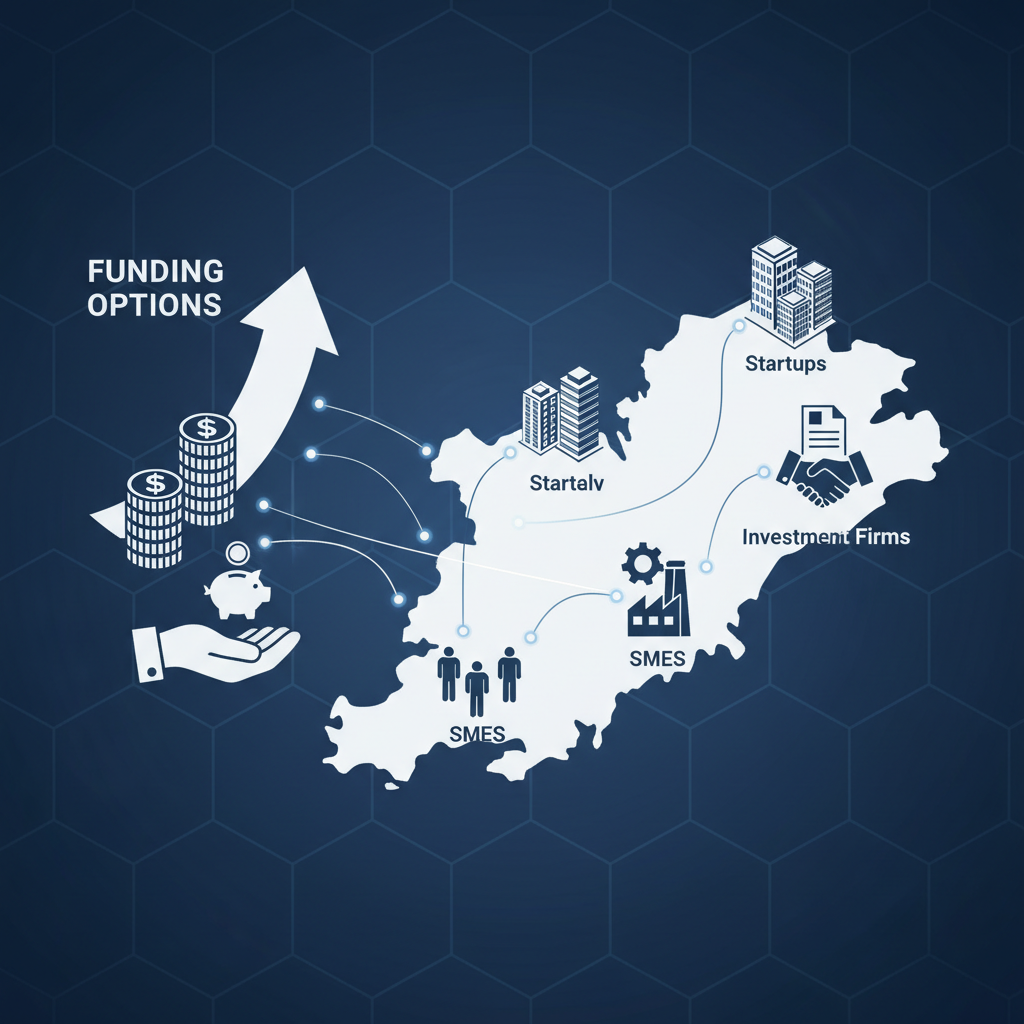
Malta, with its robust economy and pro-business environment, offers a diverse array of funding opportunities for startups and Small and Medium-sized Enterprises (SMEs). This article provides an in-depth look into the various avenues available, from government grants and EU funds to private equity and venture capital, equipping entrepreneurs with the knowledge to secure essential capital for growth.
Navigating Funding Options for Startups and SMEs in Malta: A Comprehensive Guide
Malta, a dynamic European Union member state, has cultivated a thriving ecosystem for startups and Small and Medium-sized Enterprises (SMEs). Its strategic location, stable economy, and supportive regulatory framework make it an attractive jurisdiction for business development. However, securing adequate funding remains a critical challenge for many nascent and growing businesses. This comprehensive guide explores the myriad funding options available in Malta, offering practical insights into accessing capital, understanding eligibility criteria, and navigating the application processes.
Government Grants and Incentives
The Maltese government, through various agencies, actively promotes business growth and innovation by offering a range of grants and incentives. These programs are designed to stimulate economic activity, encourage job creation, and foster technological advancement.
Malta Enterprise Schemes
Malta Enterprise is the primary agency responsible for attracting foreign direct investment and supporting local businesses. It offers several schemes tailored to different stages of a company's lifecycle and specific industry sectors. Key programs include:
- Business Start-Up Grant: This grant supports new enterprises in their initial stages, covering a portion of eligible expenditure such as salaries, rent, and equipment. The grant aims to reduce the financial burden on startups, allowing them to focus on product development and market entry. Eligibility typically requires the business to be innovative, scalable, and create new employment opportunities. The application process involves submitting a detailed business plan, financial projections, and a clear outline of how the funds will be utilised. The evaluation criteria often prioritise the potential for economic impact and sustainability.
- Investment Aid for Growth and Innovation: This scheme provides support for companies undertaking investment projects that lead to expansion, diversification, or fundamental changes in the overall production process. It can cover a percentage of eligible costs, including investment in tangible and intangible assets. The aid intensity varies based on the size of the enterprise and the location of the investment. Applications require a comprehensive project proposal detailing the investment, its objectives, and anticipated outcomes.
- Research & Development (R&D) Grants: Malta Enterprise offers specific grants to encourage R&D activities, fostering innovation and technological advancement. These grants can cover personnel costs, equipment, and contractual research. The focus is on projects with a clear innovative element and potential for commercialisation. Businesses must demonstrate a robust R&D plan and the technical expertise to execute it.
- Micro Invest: This popular tax credit scheme is designed to assist micro-enterprises and self-employed individuals. It provides a tax credit equivalent to 45% (or 65% for businesses operating in Gozo) of eligible expenditure, including investment in machinery, technology, and business development costs. The maximum aid per undertaking is capped, and businesses must meet specific criteria regarding employee numbers and turnover. The application is typically straightforward, requiring submission of relevant invoices and proof of payment.
EU Funding Programmes
Malta, as an EU member state, benefits from various European Union funding programmes. These funds are often managed by national authorities but originate from the EU budget, targeting areas such as innovation, environmental sustainability, and regional development.
- Horizon Europe: This is the EU's key funding programme for research and innovation. It offers grants for projects across a wide range of scientific and technological fields, encouraging collaboration between businesses, research institutions, and universities. Maltese startups and SMEs can participate in calls for proposals, either individually or as part of international consortia. Success in Horizon Europe requires innovative proposals, strong partnerships, and a clear impact pathway.
- Structural Funds (ERDF & ESF): The European Regional Development Fund (ERDF) and European Social Fund (ESF) provide significant funding for Malta's economic and social development. ERDF often supports investments in infrastructure, innovation, and SME competitiveness, while ESF focuses on employment, education, and social inclusion. Specific calls for proposals are announced by the Managing Authority in Malta, outlining the thematic priorities and eligibility criteria.
Private Equity and Venture Capital
Beyond government and EU grants, private funding sources play a crucial role in scaling ambitious startups and SMEs. Malta's financial services sector, though relatively small compared to larger European economies, is developing its capacity in private equity and venture capital.
Angel Investors
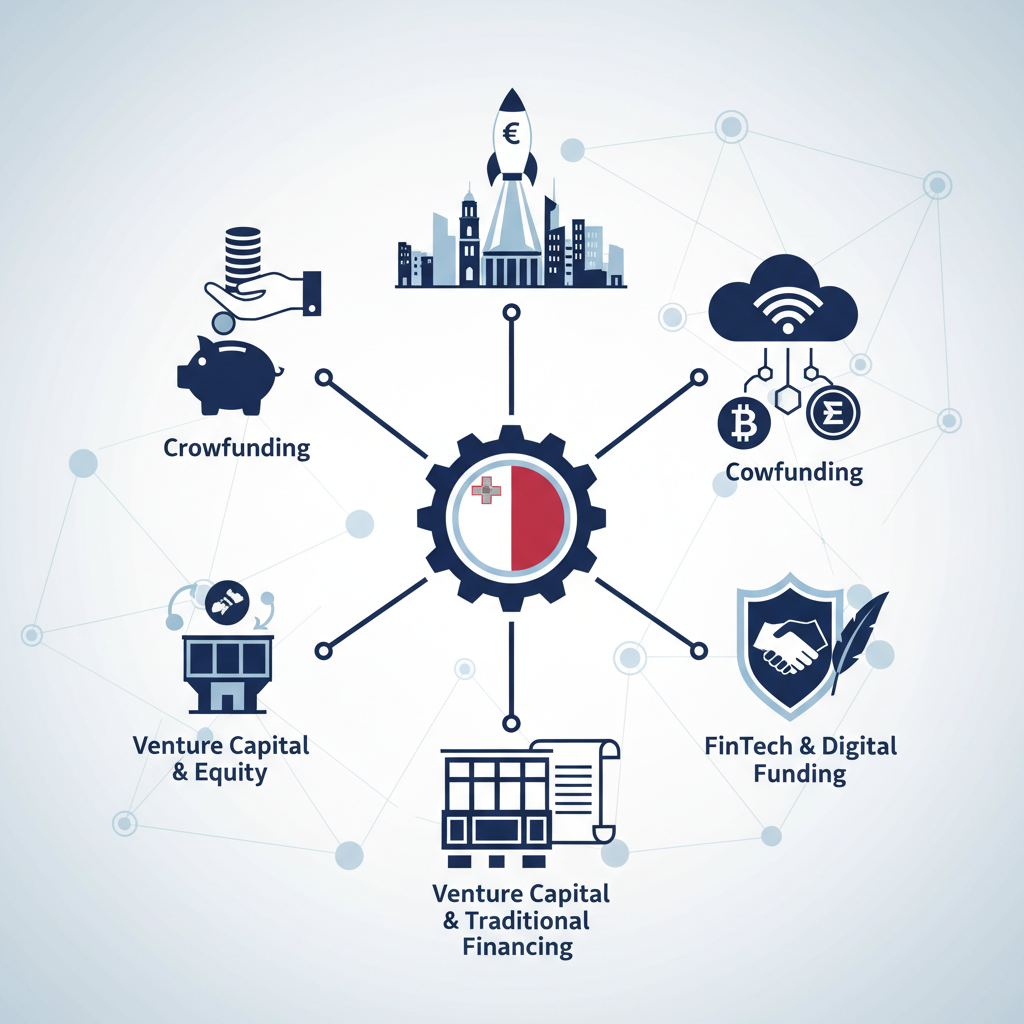
Angel investors are high-net-worth individuals who provide capital for startups, usually in exchange for equity ownership. They often bring not only financial resources but also valuable industry experience, mentorship, and a network of contacts. While a formal angel investor network in Malta is still evolving, entrepreneurs can connect with potential angels through industry events, incubators, accelerators, and professional networks. The key to attracting angel investment lies in a compelling business idea, a strong management team, and a clear exit strategy for the investor.
Venture Capital (VC) Funds
Venture Capital funds typically invest in high-growth potential companies with scalable business models. While Malta has a limited number of locally based VC funds, several international VCs are open to investing in Maltese companies, particularly those operating in niche technology sectors or with strong internationalisation potential. Accessing VC funding usually involves multiple rounds of due diligence, pitching to investors, and negotiating equity stakes. Startups seeking VC funding must demonstrate significant market opportunity, a defensible competitive advantage, and a clear path to profitability and eventual exit.
Private Equity (PE) Funds
Private equity funds generally invest in more mature, established SMEs with proven track records and significant growth potential. They often take a controlling stake and work closely with management to improve operational efficiency and drive strategic growth. While PE activity in Malta is less pronounced for smaller SMEs, larger, established businesses looking for significant capital injections for expansion or acquisitions may find PE an attractive option. The process involves extensive financial and operational due diligence.
Debt Financing and Alternative Funding
Traditional bank loans and newer alternative financing methods also form a vital part of the funding landscape.
Bank Loans and Overdraft Facilities
Commercial banks in Malta offer a range of debt financing options, including term loans, overdraft facilities, and lines of credit. These are typically suited for businesses with a stable cash flow, collateral, and a solid credit history. Banks assess creditworthiness based on financial statements, business plans, and the borrower's ability to repay. While often less flexible than equity funding, bank loans allow entrepreneurs to retain full ownership of their company. Malta Development Bank (MDB) also plays a role, often providing guarantees or co-financing to facilitate access to finance for SMEs through commercial banks.
Crowdfunding
Crowdfunding has emerged as a viable alternative for startups and SMEs, allowing them to raise capital from a large number of individuals, typically via online platforms. Malta has seen a gradual increase in crowdfunding activity, particularly for reward-based and equity-based crowdfunding. Equity crowdfunding, in particular, allows businesses to sell small equity stakes to a broad investor base. While the regulatory framework for crowdfunding in Malta is evolving in line with EU regulations, it offers an accessible way to test market interest and raise capital, particularly for consumer-facing businesses.
Business Angels Malta (BAM)
Business Angels Malta (BAM) is an initiative aimed at connecting promising Maltese startups and SMEs with angel investors. It acts as a platform for matchmaking, facilitating introductions and providing support throughout the investment process. While not a fund itself, BAM is an important facilitator in the early-stage funding ecosystem, helping to bridge the gap between innovative ideas and private capital.
Conclusion
Malta offers a diverse and evolving landscape of funding options for startups and SMEs, ranging from generous government grants and EU structural funds to private equity, venture capital, and alternative financing methods. Entrepreneurs must carefully assess their business stage, growth potential, and specific capital needs to identify the most suitable funding avenues. A well-crafted business plan, robust financial projections, and a clear understanding of the eligibility criteria are paramount for success in securing funding. By strategically navigating these options, Maltese businesses can unlock the capital necessary to innovate, grow, and contribute to the nation's economic prosperity.
The pro-business environment, coupled with ongoing initiatives to foster innovation and entrepreneurship, positions Malta as an attractive hub for both local and international businesses seeking to establish and expand their operations. Understanding and leveraging the available funding mechanisms is a critical step towards achieving sustainable growth and realising entrepreneurial ambitions in this dynamic island nation.