Navigating Import and Export Licensing in Luxembourg: A Comprehensive Business Guide
This guide provides an in-depth look at import and export licensing requirements in Luxembourg, offering practical advice for businesses. Understand the regulatory landscape, key procedures, and essential considerations for smooth international trade operations within the Grand Duchy. Learn how to comply with national and EU regulations to foster successful cross-border commerce.
Introduction to Import and Export in Luxembourg
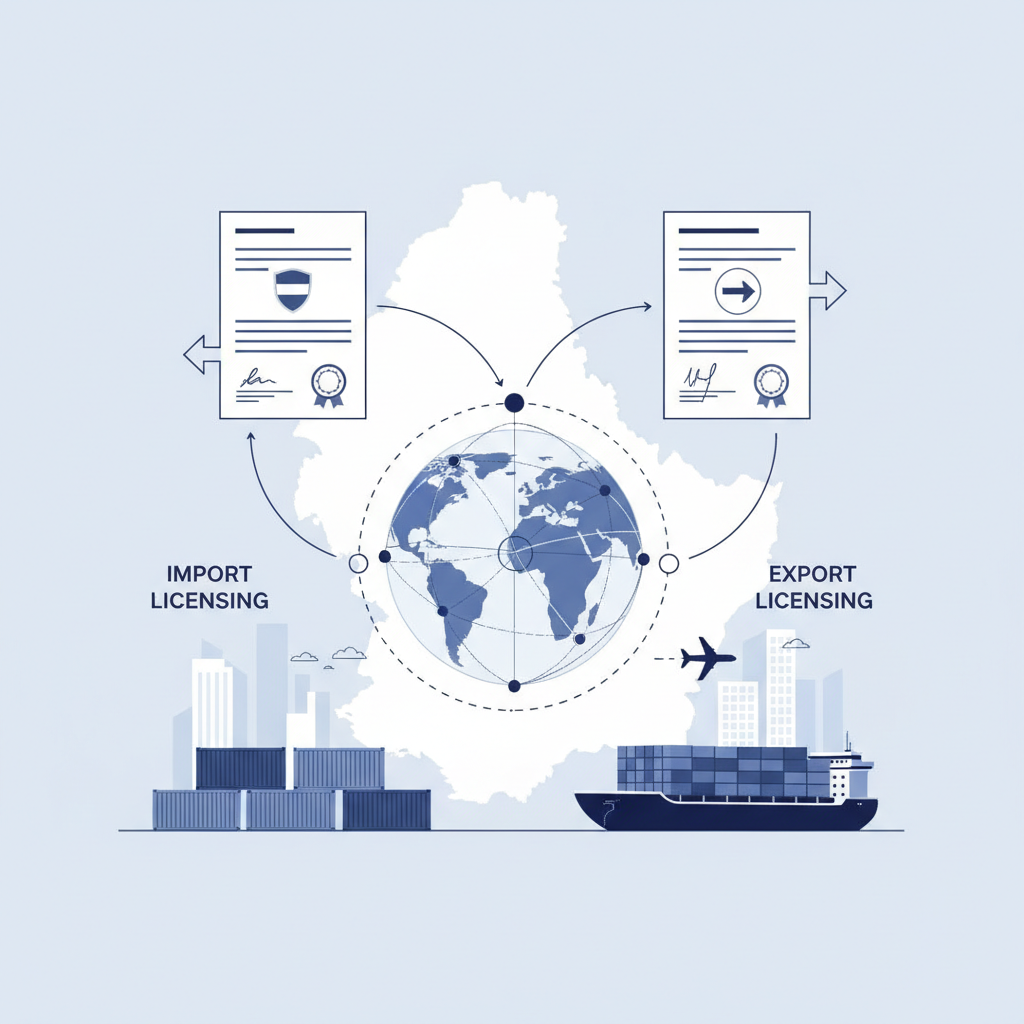
Luxembourg, strategically located at the heart of Europe, boasts a highly open economy with a strong emphasis on international trade. Its stable political environment, robust infrastructure, and membership in the European Union (EU) make it an attractive hub for import and export activities. However, engaging in cross-border commerce, whether importing goods into the Grand Duchy or exporting them from its territory, necessitates a clear understanding of the regulatory framework, particularly concerning licensing and compliance. This comprehensive guide aims to demystify the import and export licensing landscape in Luxembourg, providing practical insights for entrepreneurs and established businesses alike.
While the principle of free movement of goods within the EU simplifies trade for many products, specific categories of goods, or trade with non-EU countries, often require permits, licenses, or adherence to particular regulations. Non-compliance can lead to significant delays, penalties, and reputational damage. Therefore, a proactive and informed approach is crucial for successful international trade operations.
Understanding the Regulatory Framework: EU and National Laws
Luxembourg's import and export regulations are primarily governed by two layers of legislation: European Union law and national Luxembourgish law. As an EU member state, Luxembourg adheres to the Common Commercial Policy (CCP) of the EU, which dictates the rules for trade with non-EU countries. This means that many import and export procedures, tariffs, and prohibitions are harmonised across the EU.
EU Regulations: The Common Commercial Policy
The EU's CCP covers a wide array of aspects, including customs duties, quantitative restrictions, and trade defence measures. For businesses in Luxembourg, this implies that when importing from or exporting to countries outside the EU, they must comply with EU-wide customs codes and regulations. Key aspects include:
- Customs Tariff (TARIC): The integrated Tariff of the European Union (TARIC) provides information on all trade policy measures applicable to goods imported into or exported from the EU. Businesses must correctly classify their goods using the Harmonised System (HS) codes to determine applicable duties, taxes, and any specific licensing requirements.
- Dual-Use Items: Goods that can be used for both civilian and military purposes (dual-use items) are subject to strict EU export controls. Exporting such items from Luxembourg to non-EU countries requires a specific authorisation, often issued by the national competent authority.
- Sanctions and Embargoes: The EU implements various sanctions and embargoes against certain countries, entities, or individuals. Businesses must rigorously check these lists to ensure compliance, as trading with sanctioned parties is strictly prohibited.
National Luxembourgish Regulations
Beyond EU-wide rules, Luxembourg also implements national legislation for certain types of goods or specific trade activities. These national regulations often complement or specify EU directives. Examples include:
- Strategic Goods: While dual-use items are covered by EU law, Luxembourg has national legislation governing the export, import, and transit of conventional weapons, ammunition, and other military equipment. The Ministry of Foreign and European Affairs is typically the issuing authority for such licenses.
- Agricultural Products: Certain agricultural products may be subject to specific national import or export licenses, particularly if they fall outside common EU agricultural policies or involve specific quotas.
- Cultural Goods: The import and export of cultural goods, such as antiques or works of art, are often subject to national permits to protect national heritage.
- Health and Safety: Products related to public health, animal health, or plant health (e.g., pharmaceuticals, live animals, plants, certain food products) often require specific national permits or certificates from relevant ministries (e.g., Ministry of Health, Ministry of Agriculture).
Key Licensing Procedures and Authorities
The process of obtaining an import or export license in Luxembourg depends heavily on the type of goods, their origin, and their destination. However, some general steps and key authorities are involved.
Identifying the Need for a License
The first and most critical step is to determine whether a license is required for your specific goods. This involves:
- Correct Product Classification: Using the TARIC database and the Harmonised System (HS) codes to identify your product's classification. This will reveal applicable duties, taxes, and any specific import/export restrictions or licensing requirements.
- Origin and Destination: The country of origin for imports and the country of destination for exports are crucial. Trade agreements, sanctions, and specific national regulations vary significantly based on these factors.
- Nature of Goods: Is the product a dual-use item, a strategic good, a cultural artefact, a pharmaceutical, or an agricultural product? These categories almost invariably trigger specific licensing requirements.
Main Licensing Authorities in Luxembourg
Several governmental bodies are responsible for issuing import and export licenses in Luxembourg:
- Customs and Excise Agency (Administration des Douanes et Accises): This is the primary authority for customs declarations and enforcement of import/export regulations. While they don't issue all licenses, they are central to the process, ensuring that all necessary permits are in place before goods clear customs.
- Ministry of Foreign and European Affairs (Ministère des Affaires étrangères et européennes): This ministry is responsible for issuing licenses for strategic goods, dual-use items, and often for goods subject to international sanctions.
- Ministry of Health (Ministère de la Santé): For pharmaceuticals, medical devices, and certain food products.
- Ministry of Agriculture, Viticulture and Rural Development (Ministère de l'Agriculture, de la Viticulture et du Développement rural): For live animals, plants, and specific agricultural commodities.
- Ministry of Culture (Ministère de la Culture): For cultural goods and heritage items.
Application Process and Documentation
The application process typically involves submitting a detailed application form to the relevant authority, accompanied by a range of supporting documents. These may include:
- Company registration documents.
- Proof of identity of the applicant/company representatives.
- Commercial invoice, packing list, and bill of lading/airway bill.
- Technical specifications or product descriptions.
- End-user certificates for dual-use or strategic goods.
- Certificates of origin.
- Compliance declarations (e.g., CE marking for certain products).
Timelines for license approval can vary significantly, from a few days for straightforward cases to several weeks or months for complex items like strategic goods. Costs are generally minimal for the application itself, but businesses should factor in potential costs for expert consultation, product testing, or certification.
Practical Considerations and Best Practices
Navigating the complexities of import and export licensing requires diligent planning and adherence to best practices. Here are some key considerations for businesses operating in Luxembourg:
Due Diligence and Compliance Programs
Businesses should implement robust internal compliance programs. This includes:
- Regular Training: Ensuring that all staff involved in international trade are trained on current regulations and internal procedures.
- Internal Audits: Periodically reviewing import/export activities to identify and rectify potential compliance gaps.
- Record Keeping: Maintaining meticulous records of all import/export transactions, licenses, and communications with authorities for at least 5-7 years, as required by law.
Engaging with Customs Brokers and Legal Experts
For businesses new to international trade or dealing with complex goods, engaging a licensed customs broker in Luxembourg can be invaluable. These professionals possess expert knowledge of customs procedures, tariff classifications, and licensing requirements, helping to streamline the process and minimise errors. Similarly, consulting with legal experts specialising in trade law can provide guidance on specific regulatory challenges and contractual obligations.
Digitalisation and Online Platforms
Luxembourg, like the broader EU, is increasingly digitalising its customs and trade processes. Businesses should familiarise themselves with online platforms such as the EU's TARIC database and national e-government portals for submitting applications and declarations. This can significantly reduce processing times and administrative burden.
Staying Updated on Regulatory Changes
Trade regulations are dynamic and subject to frequent changes, driven by international agreements, geopolitical shifts, and evolving EU policies. Businesses must proactively monitor updates from the Customs and Excise Agency, the Ministry of Foreign and European Affairs, and relevant EU institutions. Subscribing to official newsletters and industry alerts is a good practice.
Conclusion
Luxembourg offers a highly advantageous environment for international trade, but successful engagement hinges on a thorough understanding and strict adherence to import and export licensing requirements. By meticulously identifying the need for licenses, understanding the roles of various national and EU authorities, and preparing comprehensive documentation, businesses can ensure smooth and compliant trade operations. Proactive due diligence, leveraging expert advice, and staying abreast of regulatory changes are not merely good practices but essential components of a sustainable and profitable international trade strategy in the Grand Duchy. Navigating this landscape effectively will not only prevent costly penalties but also enhance a company's reputation as a reliable and responsible global trading partner.
In summary, while the EU's single market simplifies much of the trade within the bloc, specific goods and trade with non-EU countries demand careful attention to licensing. Luxembourg's commitment to international trade is matched by its rigorous regulatory framework, designed to ensure security, safety, and fair trade practices. Businesses that embrace this complexity with a structured and informed approach are best positioned for success in Luxembourg's vibrant international commerce sector.