Navigating Jersey's Digital Nomad Visa: A Comprehensive Guide for Remote Professionals
This comprehensive article delves into the intricacies of Jersey's digital nomad visa, offering a detailed guide for remote professionals considering the island. It covers eligibility, application processes, financial requirements, and the benefits of establishing a remote work base in this Channel Island jurisdiction.
Navigating Jersey's Digital Nomad Visa: A Comprehensive Guide for Remote Professionals
In an increasingly globalised and digitally connected world, the concept of the 'digital nomad' has moved from a niche lifestyle choice to a significant economic force. Jurisdictions worldwide are recognising the potential benefits of attracting these location-independent professionals, who bring with them skills, innovation, and economic activity without necessarily competing for local jobs. Jersey, a self-governing Crown Dependency located in the English Channel, has emerged as an attractive destination for digital nomads, offering a unique blend of high-quality living, robust infrastructure, and a favourable business environment. This article provides a comprehensive overview of the requirements and processes for obtaining a digital nomad visa in Jersey, offering practical insights for entrepreneurs and remote professionals.
Understanding Jersey's Approach to Digital Nomads
Jersey, while not having a specific 'digital nomad visa' in the conventional sense that some other countries do, offers pathways for individuals who wish to reside and work remotely from the island. The island's immigration framework is primarily designed to manage population growth and ensure that new residents contribute positively to the economy and society. For digital nomads, this typically involves navigating the existing visa and immigration categories, which require demonstrating financial self-sufficiency and a clear intent not to enter the local labour market. The key is to understand how existing immigration routes can accommodate a digital nomad's circumstances, particularly those focused on self-employment or remote work for an overseas employer.
The States of Jersey's approach is pragmatic, seeking to attract high-value individuals who can enrich the island's community and economy. This means that while there isn't a bespoke 'digital nomad' stamp, applicants who can demonstrate a sustainable income from outside Jersey, possess valuable skills, and commit to not taking local employment, stand a good chance of being granted residency. The emphasis is on quality over quantity, ensuring that new residents align with Jersey's strategic objectives for economic development and population management.
Key Eligibility Criteria and Financial Requirements
For digital nomads, the primary route often involves demonstrating substantial financial independence and a clear plan for self-sufficiency without reliance on Jersey's social welfare system or local employment. While specific income thresholds can vary and are subject to review by the Jersey Customs and Immigration Service (JCIS), applicants should be prepared to show a significant and consistent income stream from their remote work or business activities. This income must originate from outside Jersey.
Typically, applicants will need to provide detailed financial statements, bank records, and contracts or client agreements that substantiate their remote income. A general guideline, though not a strict legal requirement for a 'digital nomad' per se, is that individuals seeking to establish residency in Jersey without local employment should be able to demonstrate an income that allows for a comfortable standard of living on the island without financial strain. This often translates to an annual income significantly above the average local wage, reflecting the cost of living in Jersey. Furthermore, applicants must have comprehensive private health insurance, as they will not be immediately eligible for Jersey's publicly funded healthcare system.
Proof of accommodation in Jersey is also a crucial requirement. This could be a rental agreement or proof of property ownership. The Jersey housing market is regulated, and non-qualified residents (those without specific residential qualifications) can typically only rent 'registered' or 'licensed' properties. Understanding the nuances of Jersey's housing laws is paramount before making any commitments.
The Application Process and Documentation
The application process for a digital nomad looking to reside in Jersey is meticulous and requires thorough preparation. It generally involves applying for a visa or entry clearance that permits long-term stay, followed by an application for residency once on the island. The specific visa category will depend on the applicant's nationality and individual circumstances, but for non-UK/Irish citizens, a general visitor visa is not sufficient for long-term remote work. Instead, applicants might explore options under the 'High Value Resident' criteria or demonstrate their ability to contribute to the island's economy in other ways.
Key documentation typically includes:
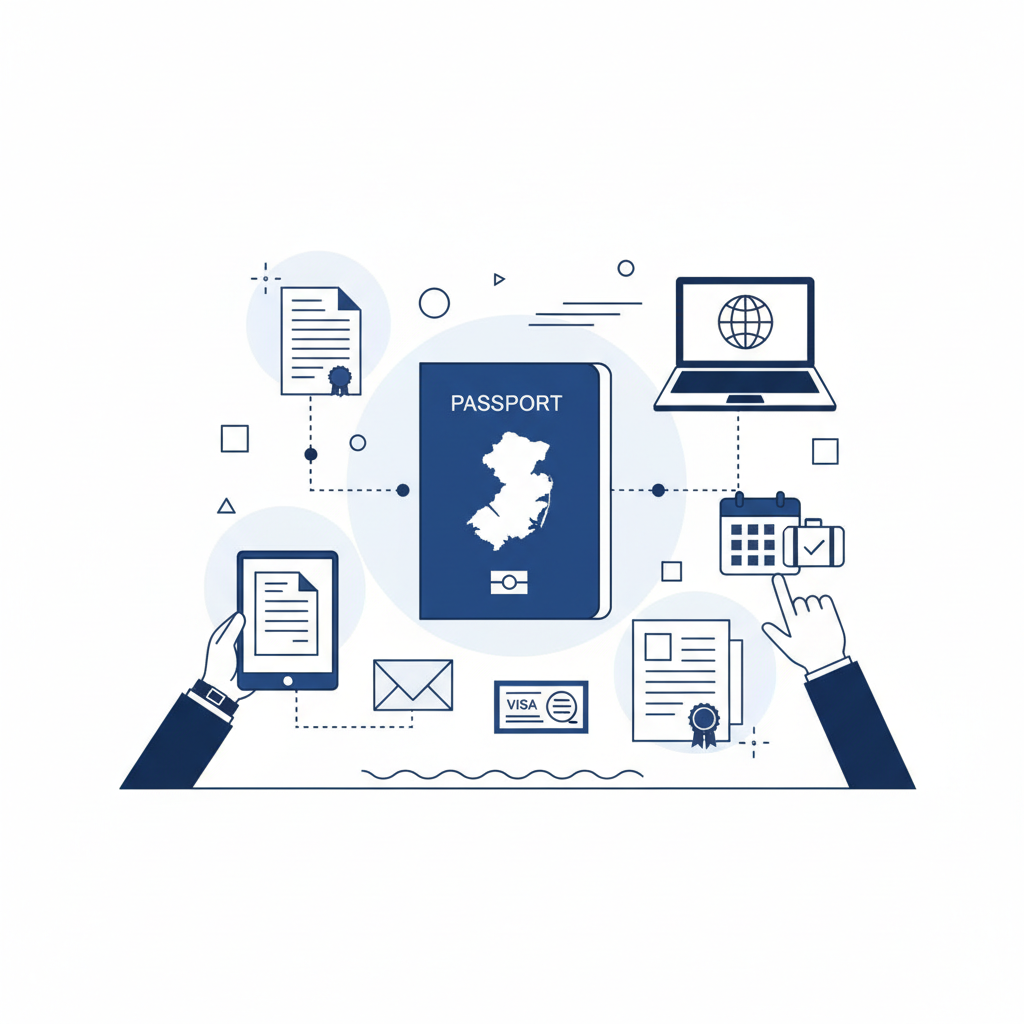
- Passport and Travel History: A valid passport with sufficient validity and a comprehensive record of international travel.
- Proof of Remote Income: Bank statements, tax returns from your home country, client contracts, and business registration documents if self-employed. These must clearly show the source and consistency of income from outside Jersey.
- Accommodation Details: A confirmed rental agreement or proof of property purchase in Jersey.
- Health Insurance: Proof of comprehensive private medical insurance valid for the duration of the intended stay.
- Criminal Record Check: A clean criminal record is essential, usually requiring a certificate from your country of origin.
- Personal Statement: A detailed letter explaining your intentions for residing in Jersey, your remote work activities, and how you plan to be self-sufficient without impacting the local labour market.
- Educational and Professional Qualifications: While not always mandatory for digital nomads, providing these can strengthen an application by demonstrating valuable skills and a professional background.
The application is submitted to the Jersey Customs and Immigration Service (JCIS). It is highly advisable to seek professional legal advice from a Jersey-based immigration lawyer or consultant to navigate the complexities of the system. They can provide tailored guidance, ensure all documentation is correctly prepared, and represent your interests throughout the process. The processing time can vary, but applicants should anticipate several weeks to a few months for a decision, depending on the complexity of the case and the volume of applications.
Life as a Digital Nomad in Jersey: Benefits and Considerations
Jersey offers a compelling proposition for digital nomads. The island boasts political stability, a low crime rate, and a high standard of living. Its robust digital infrastructure, including widespread fibre broadband, makes it an ideal location for remote work. The island's natural beauty, with stunning coastlines and a vibrant outdoor lifestyle, provides an excellent work-life balance. Furthermore, Jersey's proximity to the UK and mainland Europe offers convenient travel opportunities.
From a business perspective, Jersey's well-regulated financial services sector and sophisticated professional services infrastructure can be beneficial for entrepreneurs. While the primary aim for digital nomads is not to engage in local employment, the island's professional network can offer valuable connections and opportunities for future business development or collaboration.
However, there are also considerations. The cost of living in Jersey is relatively high, particularly for accommodation. While the island has a favourable tax regime (e.g., 20% personal income tax, 0% corporate tax for most businesses), digital nomads must understand their tax obligations both in Jersey and their home country, as dual residency rules can be complex. It is crucial to obtain professional tax advice before relocating.
Integration into the local community is another aspect. While Jersey is welcoming, it is a small island with a distinct culture. Engaging with local groups, sports clubs, and community events can significantly enhance the experience. Understanding and respecting local customs and regulations is key to a successful long-term stay.
Conclusion
Jersey presents a unique and attractive opportunity for digital nomads seeking a high-quality lifestyle coupled with a stable, sophisticated environment for remote work. While the island does not offer a dedicated 'digital nomad visa' in the same vein as some other jurisdictions, its existing immigration pathways can effectively accommodate location-independent professionals who demonstrate financial self-sufficiency and a commitment to not entering the local labour market. The process requires meticulous preparation, a clear understanding of financial requirements, and often, professional legal and tax advice to navigate the intricacies of Jersey's immigration and residency laws.
For those who successfully meet the criteria, Jersey offers a blend of professional opportunity, natural beauty, and a high standard of living, making it a compelling choice for the discerning digital nomad. The investment in time and resources for the application process is often outweighed by the benefits of establishing a remote work base in this prestigious Channel Island jurisdiction, contributing to its vibrant community and economy while enjoying a truly exceptional work-life balance.