Navigating Payment Processing in the Netherlands: A Comprehensive Guide for Businesses
The Netherlands, a hub of innovation and international trade, offers a diverse landscape of payment processing solutions for businesses. This article provides an in-depth look at the various options available, regulatory considerations, and strategic insights for selecting the best payment infrastructure.
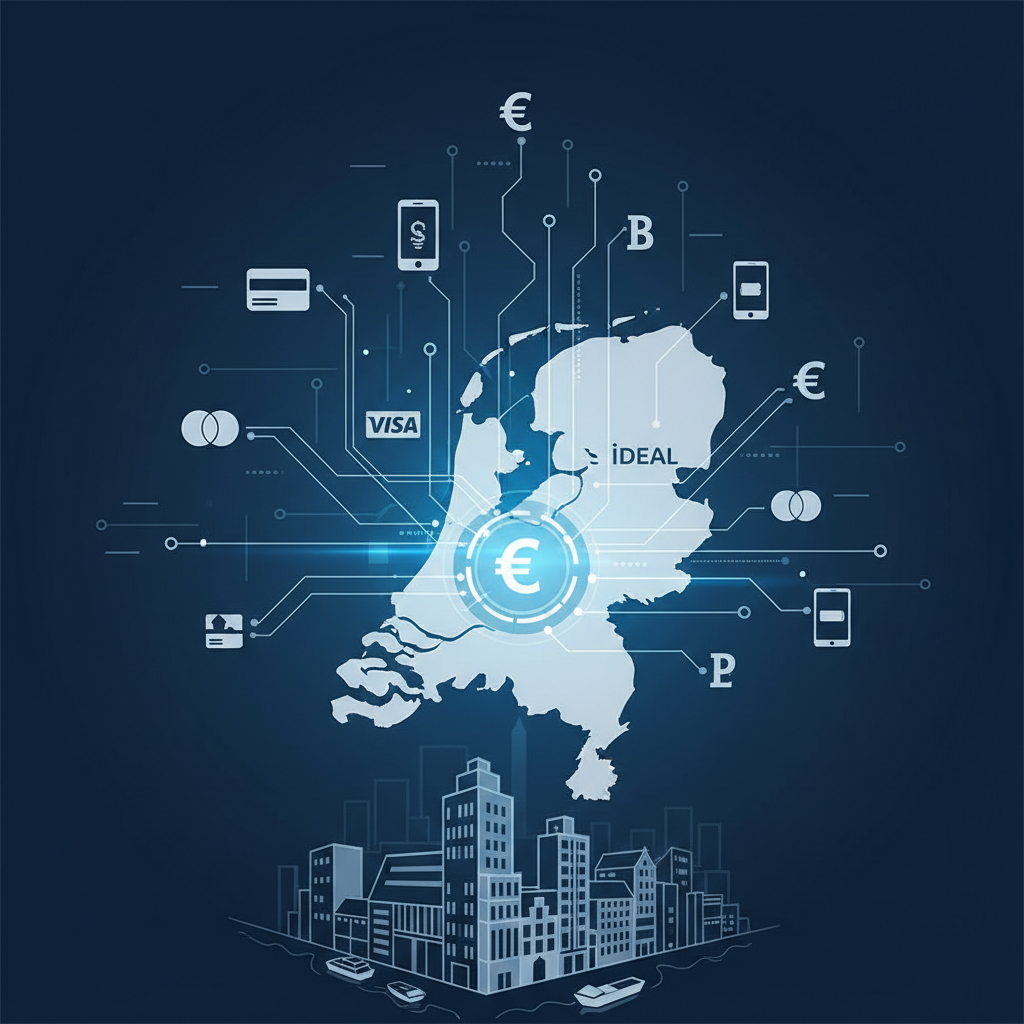
The Netherlands stands as a pivotal economic gateway in Europe, characterized by a highly digitalized society and a sophisticated financial infrastructure. For businesses operating or looking to expand into the Dutch market, understanding the intricacies of payment processing solutions is paramount. This guide delves into the various options available, regulatory frameworks, and key considerations for selecting the most effective payment strategy.
The Dutch Payment Landscape: An Overview
The Dutch payment ecosystem is renowned for its efficiency, security, and high adoption of digital payment methods. While traditional methods like bank transfers and debit cards remain prevalent, the rise of e-commerce and mobile payments has significantly diversified the options. Businesses must cater to both domestic preferences and international payment trends to capture the full market potential.
Key Payment Methods in the Netherlands
-
iDEAL: This is by far the most popular online payment method in the Netherlands, accounting for a significant majority of e-commerce transactions. iDEAL allows customers to pay directly from their bank accounts through their trusted online banking environment. It offers instant confirmation, high security, and low transaction costs for merchants. Integration with iDEAL is essential for any business targeting Dutch consumers.
-
Credit and Debit Cards (Maestro, Visa, MasterCard): While iDEAL dominates online, debit cards (primarily Maestro, soon to be replaced by V-Pay and Mastercard Debit) are widely used for in-store purchases. Credit cards like Visa and MasterCard are also accepted, particularly for international transactions and larger purchases, though their penetration is lower compared to some other European countries.
-
SEPA Bank Transfer: The Single Euro Payments Area (SEPA) enables efficient and standardized euro-denominated bank transfers across Europe. SEPA Credit Transfers (SCT) and SEPA Direct Debits (SDD) are crucial for business-to-business (B2B) transactions, recurring payments, and larger value transfers. They offer reliability and relatively low costs.
-
Digital Wallets (PayPal, Apple Pay, Google Pay): The adoption of digital wallets is steadily increasing, especially among younger demographics. PayPal remains a strong contender for online purchases, offering buyer protection and ease of use. Apple Pay and Google Pay are gaining traction for both online and in-store contactless payments, leveraging NFC technology.
-
Buy Now, Pay Later (BNPL) Services: Providers like Klarna and Afterpay are becoming increasingly popular, offering consumers flexibility to pay for purchases in installments or at a later date. Integrating BNPL options can significantly boost conversion rates, especially for higher-value goods.
Regulatory Framework and Compliance
Operating a payment processing solution in the Netherlands necessitates adherence to a robust regulatory framework, primarily driven by European Union directives and national legislation. The Dutch Central Bank (De Nederlandsche Bank, DNB) is the primary supervisory authority.
Key Regulations and Directives
-
Payment Services Directive 2 (PSD2): This EU directive aims to foster innovation, enhance consumer protection, and improve security in payment services. PSD2 mandates strong customer authentication (SCA) for most electronic payments, requiring multi-factor authentication to verify the payer's identity. Businesses must ensure their payment processors are compliant with SCA requirements to avoid transaction declines.
-
General Data Protection Regulation (GDPR): As payment processing involves handling sensitive personal data, compliance with GDPR is non-negotiable. Businesses must ensure that personal data collected during transactions is processed lawfully, transparently, and securely, with appropriate consent and data protection measures in place.
-
Anti-Money Laundering (AML) and Counter-Terrorist Financing (CTF) Regulations: Payment service providers (PSPs) and financial institutions are subject to strict AML/CTF regulations. This includes customer due diligence (CDD), transaction monitoring, and reporting suspicious activities to relevant authorities. Businesses using PSPs should ensure their chosen provider has robust AML/CTF compliance programs.
-
Dutch Financial Supervision Act (Wet op het financieel toezicht - Wft): This national legislation governs financial markets and institutions in the Netherlands, including payment service providers. Depending on the nature of the payment services offered, businesses or their chosen PSPs may require licenses from the DNB.
Failure to comply with these regulations can result in significant fines, reputational damage, and operational disruptions. Therefore, selecting a payment processor with a strong track record of regulatory compliance is crucial.
Choosing the Right Payment Processing Solution
Selecting the optimal payment processing solution involves a strategic assessment of various factors, including business model, target audience, transaction volume, and cost considerations.
Factors to Consider
-
Integration and Ease of Use: The chosen solution should integrate seamlessly with your existing e-commerce platform (e.g., Shopify, Magento, WooCommerce) or point-of-sale (POS) system. A user-friendly interface for both merchants and customers is vital for a smooth transaction experience.
-
Accepted Payment Methods: Ensure the solution supports the primary payment methods preferred by Dutch consumers (iDEAL, debit cards) and any international methods relevant to your customer base (Visa, MasterCard, PayPal, etc.).
-
Pricing Structure: Payment processing costs typically involve a combination of setup fees, monthly fees, per-transaction fees (fixed or percentage-based), and chargeback fees. Compare different providers' pricing models to find one that aligns with your transaction volume and average order value.
-
Security and Fraud Prevention: Robust security features, including PCI DSS compliance, tokenization, encryption, and advanced fraud detection tools, are essential to protect both your business and your customers from financial crime.
-
Customer Support: Reliable and responsive customer support is critical for resolving technical issues, payment disputes, and general inquiries promptly. Look for providers offering support in multiple languages, including English and Dutch.
-
Reporting and Analytics: Comprehensive reporting tools provide valuable insights into sales performance, payment method usage, and customer behavior, enabling data-driven business decisions.
-
Scalability: Choose a solution that can scale with your business growth, accommodating increased transaction volumes and potentially new markets or payment methods in the future.
Popular Payment Service Providers (PSPs) in the Netherlands
Several reputable PSPs operate in the Dutch market, offering a range of services tailored to different business needs:
-
Adyen: A global leader headquartered in Amsterdam, Adyen offers a comprehensive platform supporting a vast array of payment methods, fraud prevention, and analytics for large enterprises and fast-growing businesses.
-
Mollie: Known for its user-friendly interface and competitive pricing, Mollie is a popular choice among small to medium-sized enterprises (SMEs) in the Netherlands, offering easy integration and support for key local payment methods.
-
Stripe: A global powerhouse, Stripe provides powerful APIs and tools for online businesses, supporting a wide range of payment methods and offering robust developer-friendly solutions.
-
Worldline (formerly Ingenico): A major player in the acquiring and payment terminal space, Worldline offers solutions for both online and in-store payments, catering to businesses of all sizes.
-
Buckaroo: A Dutch PSP focusing on the local market, Buckaroo offers a strong suite of payment methods, including iDEAL, and specialized solutions for recurring payments and invoicing.
When evaluating PSPs, it is advisable to request detailed quotes, review their terms and conditions, and potentially speak with existing clients to gauge their satisfaction levels.
Timelines and Costs
Setting up payment processing can vary in complexity and duration. Simple integrations with popular e-commerce platforms using a standard PSP can be completed within a few days to a week. More complex integrations, custom API development, or obtaining specific licenses might take several weeks or even months.
Costs are highly variable. Transaction fees for iDEAL can range from €0.25 to €0.50 per transaction, while credit card fees typically range from 1.5% to 3% of the transaction value, plus a small fixed fee. Monthly fees, if applicable, can range from €0 to €50 or more, depending on the service level and features. It's crucial to obtain a clear breakdown of all potential costs from prospective providers.
Conclusion
The Netherlands offers a dynamic and sophisticated environment for payment processing. Businesses aiming for success in this market must strategically choose solutions that align with local preferences, comply with stringent regulations, and provide a seamless customer experience. By prioritizing iDEAL integration, understanding the nuances of PSD2 and GDPR, and carefully evaluating the capabilities and costs of various payment service providers, entrepreneurs and established companies alike can build a robust and efficient payment infrastructure that supports sustained growth and profitability in the Dutch market. A well-chosen payment strategy is not just an operational necessity but a significant competitive advantage in the highly digitalized Dutch economy.