Navigating Payment Processing Solutions for Businesses in Cyprus
Cyprus, a burgeoning financial hub in the Eastern Mediterranean, offers a diverse landscape of payment processing solutions for businesses. This article delves into the various options available, regulatory considerations, and practical advice for entrepreneurs seeking efficient and compliant payment infrastructure.
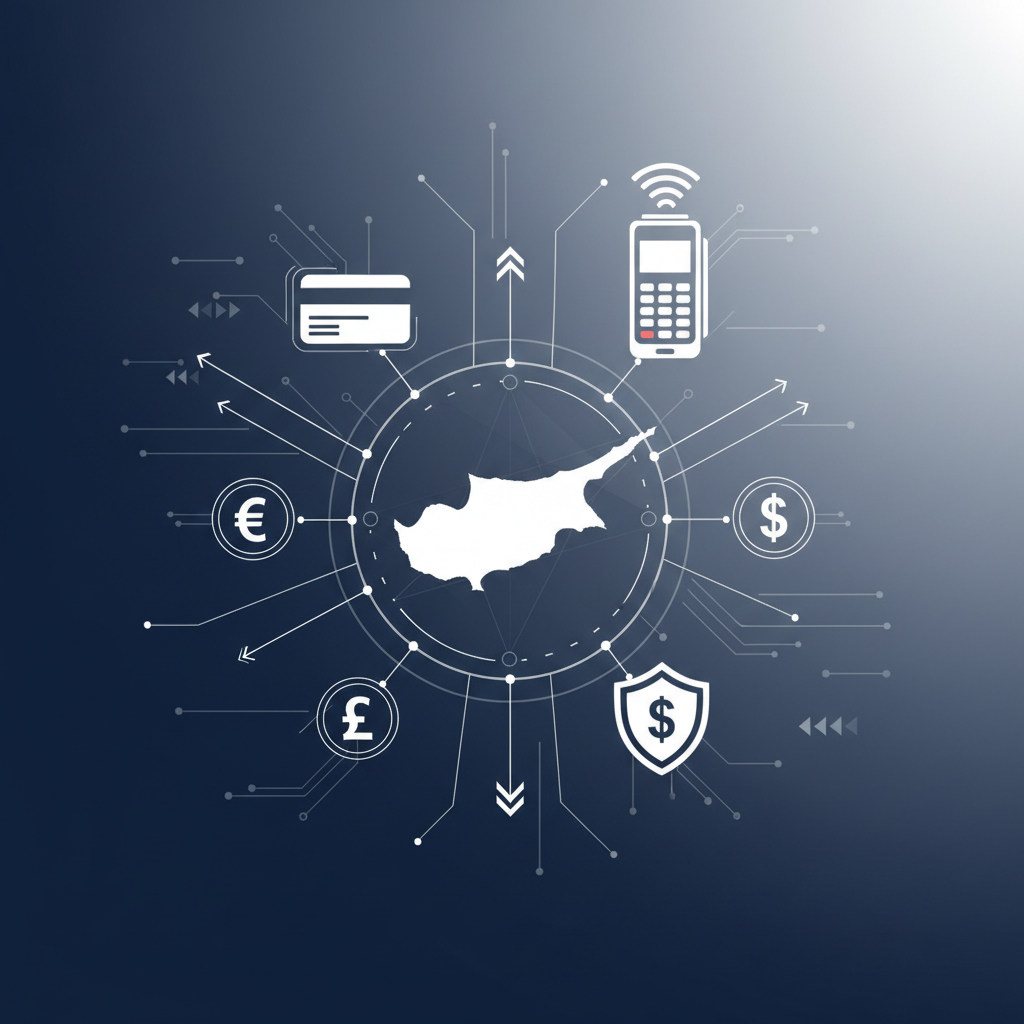
Navigating Payment Processing Solutions for Businesses in Cyprus
Cyprus has solidified its position as an attractive jurisdiction for international business, not least due to its strategic geographical location, EU membership, and robust regulatory framework. For businesses operating or looking to establish themselves on the island, understanding the intricacies of payment processing solutions is paramount. The ability to efficiently and securely accept payments is a cornerstone of commercial success, impacting everything from customer satisfaction to cash flow management and regulatory compliance. This comprehensive guide explores the array of payment processing options available in Cyprus, offering insights into their functionalities, regulatory environment, and practical considerations for entrepreneurs.
The Cypriot Payment Landscape: An Overview
The Cypriot payment ecosystem is dynamic, catering to a wide range of business models, from e-commerce ventures to traditional brick-and-mortar establishments. Businesses in Cyprus can leverage a combination of traditional banking services, modern fintech solutions, and specialised payment service providers (PSPs) to manage their transactions. The choice of solution often depends on factors such as business size, transaction volume, target market, and specific industry requirements.
Traditional banks in Cyprus, including Bank of Cyprus, Hellenic Bank, and Eurobank Cyprus, offer comprehensive merchant services. These typically include point-of-sale (POS) terminals for physical stores, online payment gateways for e-commerce, and corporate banking facilities for managing incoming and outgoing funds. While often perceived as reliable and secure, traditional banking solutions can sometimes involve longer setup times and less flexible fee structures compared to newer fintech alternatives.
Beyond traditional banks, the market is enriched by a growing number of PSPs and electronic money institutions (EMIs) that are either licensed in Cyprus or operate under EU passporting rights. These entities specialise in facilitating digital payments, offering advanced features such as multi-currency processing, recurring billing, fraud prevention tools, and integration with various e-commerce platforms. Their agility and focus on technology often make them appealing to businesses with a strong online presence or those operating across multiple geographies.
Key Payment Processing Solutions and Their Features
1. Online Payment Gateways
For e-commerce businesses, an online payment gateway is indispensable. These services securely transmit payment information from a customer's browser to the merchant's bank or PSP. Popular international gateways like Stripe, PayPal, and Square (where available) are widely used in Cyprus, offering ease of integration and global reach. Additionally, several Cyprus-based or EU-licensed PSPs provide tailored gateway solutions, often with competitive local rates and dedicated support. Key features to look for include support for major credit and debit cards (Visa, Mastercard, American Express), alternative payment methods (e.g., Apple Pay, Google Pay, local bank transfers), robust fraud detection, and seamless integration with popular e-commerce platforms like Shopify, WooCommerce, and Magento. Transaction fees typically comprise a percentage of the transaction value plus a fixed fee per transaction.
2. Point-of-Sale (POS) Systems
Physical retail businesses, restaurants, and service providers require reliable POS systems. Modern POS solutions in Cyprus go beyond simple card readers, often integrating inventory management, customer relationship management (CRM), and reporting functionalities. Providers like JCC Payment Systems (a major local card processing organisation) offer a range of terminals and integrated solutions. Businesses should consider factors such as terminal mobility (wireless vs. wired), contactless payment capabilities (NFC), and integration with existing accounting software. The cost structure usually involves a terminal rental fee, transaction fees, and potentially software subscription costs.
3. Alternative Payment Methods (APMs)
The Cypriot market, like many others, is seeing an increased adoption of APMs. These include digital wallets (e.g., Revolut, N26, which are popular among residents and businesses), instant bank transfers, and Buy Now, Pay Later (BNPL) services. Offering a diverse range of APMs can significantly enhance customer convenience and conversion rates, particularly for businesses targeting a younger, tech-savvy demographic or international customers. PSPs are increasingly incorporating these options into their gateway solutions.
4. B2B Payment Solutions
For business-to-business transactions, solutions often focus on efficiency, transparency, and lower costs for larger volumes. This can involve direct bank transfers (SEPA for Eurozone, SWIFT for international), corporate credit cards, and specialised B2B payment platforms that facilitate invoicing, reconciliation, and expense management. Many Cypriot banks offer dedicated corporate banking services with advanced online platforms for managing multiple accounts and international payments.
Regulatory Framework and Compliance
The payment processing landscape in Cyprus is primarily governed by the Central Bank of Cyprus (CBC) and the European Union's Payment Services Directive (PSD2). PSD2, in particular, has revolutionised the payment industry by promoting competition, innovation, and enhanced security for consumers. Businesses engaging with PSPs or EMIs should ensure that these entities are properly licensed and regulated by the CBC or an equivalent EU authority. This ensures adherence to strict operational, security, and anti-money laundering (AML) / counter-terrorist financing (CTF) requirements.
Key compliance considerations for businesses include:
- Data Protection: Adherence to the General Data Protection Regulation (GDPR) is mandatory when handling customer payment data. This includes secure storage, processing, and transmission of personal and financial information.
- PCI DSS Compliance: For businesses directly handling credit card data, Payment Card Industry Data Security Standard (PCI DSS) compliance is crucial to protect cardholder information from theft and fraud. Most reputable PSPs are PCI DSS compliant, reducing the burden on merchants.
- AML/CTF: Businesses must be vigilant in their AML/CTF obligations, particularly when dealing with international transactions or high-risk customers. This involves customer due diligence (CDD) and suspicious activity reporting.
Choosing the Right Solution: Practical Advice
Selecting the optimal payment processing solution requires careful evaluation. Here are key factors to consider:
- Transaction Volume and Value: High-volume, low-value transactions might benefit from PSPs with competitive per-transaction fees, while high-value, low-volume transactions might favour solutions with lower percentage fees.
- Business Model: E-commerce, retail, subscription services, and B2B all have distinct payment processing needs.
- Target Market: Consider the preferred payment methods of your customer base, both locally and internationally.
- Cost Structure: Scrutinise all fees, including setup fees, monthly fees, transaction fees (percentage and fixed), chargeback fees, and withdrawal fees. Request a clear breakdown from providers.
- Integration Capabilities: Ensure the solution integrates seamlessly with your existing website, ERP, or accounting software.
- Security and Fraud Prevention: Evaluate the provider's security measures, including encryption, tokenisation, and fraud detection tools.
- Customer Support: Reliable and responsive customer support is crucial, especially for troubleshooting payment issues.
- Scalability: Choose a solution that can grow with your business and accommodate future expansion.
The application process typically involves providing company registration documents, proof of address, identification for directors/shareholders, and a business plan. Timelines can vary from a few days for straightforward online gateway setups to several weeks for comprehensive merchant accounts with traditional banks, especially if additional due diligence is required.
Conclusion
Cyprus offers a robust and evolving ecosystem of payment processing solutions, catering to the diverse needs of modern businesses. From traditional banking services to innovative fintech platforms, entrepreneurs have a wealth of options to ensure efficient, secure, and compliant transaction management. By carefully assessing their specific business requirements, understanding the regulatory landscape, and meticulously comparing providers, businesses in Cyprus can establish a payment infrastructure that not only supports their current operations but also fuels their future growth. The strategic choice of payment partners is not merely an operational decision but a critical component of a business's overall success in this dynamic European hub.