Navigating Payment Processing Solutions for Businesses in Denmark
This comprehensive article explores the diverse landscape of payment processing solutions available to businesses operating in Denmark. It covers local and international options, regulatory considerations, cost implications, and practical advice for selecting the optimal system to thrive in the Danish market.
Introduction to Payment Processing in Denmark
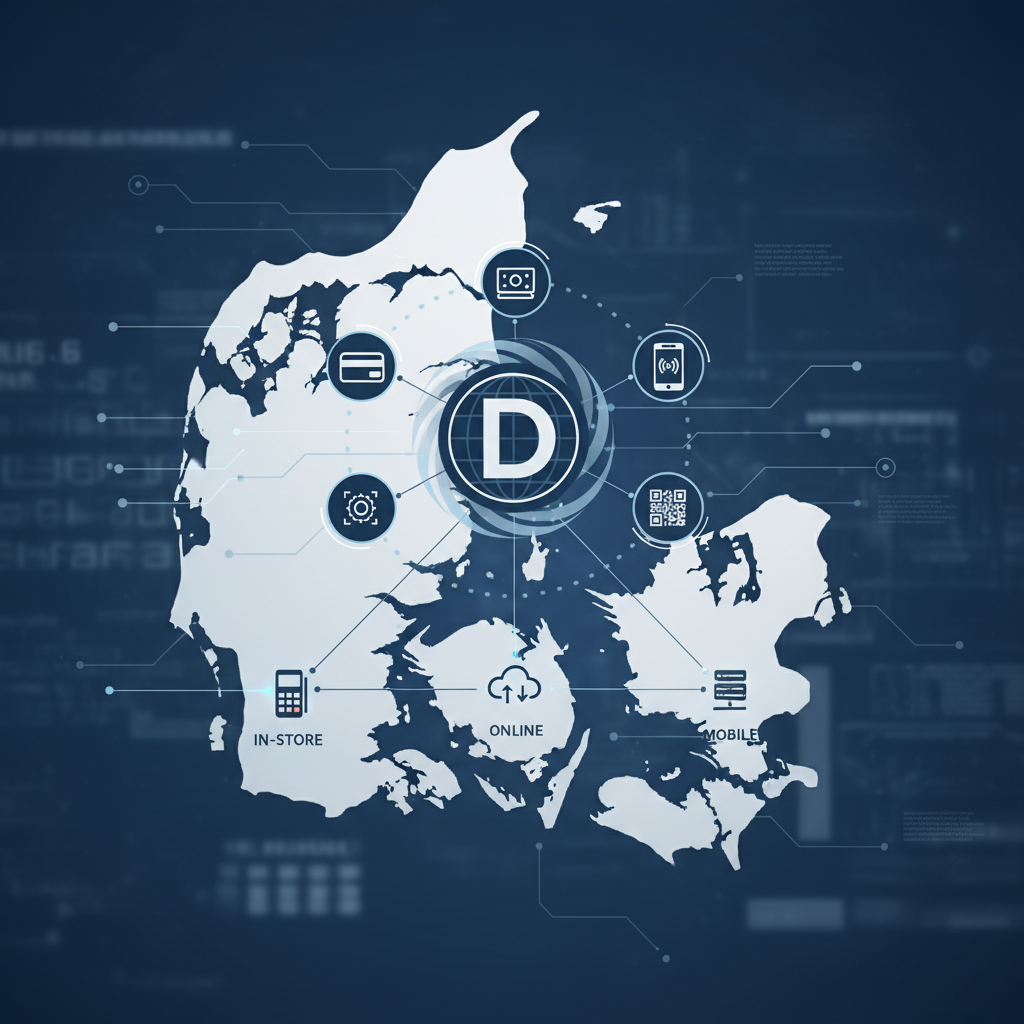
Denmark, a highly digitalised nation, offers a robust and sophisticated payment processing ecosystem for businesses. From traditional card payments to innovative mobile solutions, understanding the available options is crucial for any entrepreneur or established company looking to operate efficiently and cater to the preferences of Danish consumers. The Danish market is characterised by high card usage, a strong preference for digital payments, and a well-regulated financial sector. Businesses must navigate a landscape that balances local payment habits with international standards, ensuring compliance and cost-effectiveness while providing a seamless customer experience.
The regulatory environment in Denmark, largely influenced by EU directives such as the Revised Payment Services Directive (PSD2), prioritises security, transparency, and consumer protection. This means that payment service providers (PSPs) operating in Denmark must adhere to stringent requirements, including strong customer authentication (SCA) for many online transactions. For businesses, this translates into a need for reliable and compliant payment partners. Choosing the right payment processing solution is not merely about accepting payments; it's about optimising cash flow, reducing operational overheads, enhancing security, and ultimately supporting business growth in a competitive market.
Key Payment Methods and Solutions in Denmark
1. Card Payments: Dankort, Visa, and Mastercard
Card payments remain the cornerstone of transactions in Denmark. The domestic debit card, Dankort, holds a significant market share, often combined with Visa as a co-badged card (Visa/Dankort). Businesses operating in Denmark must ensure they can accept Dankort, as it is a preferred payment method for many Danes. Alongside Dankort, international schemes like Visa and Mastercard are widely accepted, especially for international customers and online transactions. American Express and Diners Club are also accepted, though less frequently.
To accept card payments, businesses typically need a merchant agreement with an acquirer (e.g., Nets, Worldline, Elavon) and a payment terminal (for physical stores) or a payment gateway (for online stores). Acquirers process the transactions and settle funds to the merchant's bank account. Fees usually involve a per-transaction fee and/or a percentage of the transaction value, which can vary based on card type (Dankort vs. international cards) and transaction volume.
2. Mobile Payment Solutions: MobilePay and Apple Pay/Google Pay
MobilePay, developed by Danske Bank, is arguably the most dominant mobile payment solution in Denmark. It allows users to send and receive money, pay in stores, and make online purchases directly from their smartphones. Its widespread adoption among Danish consumers makes it an essential payment option for many businesses, both online and in brick-and-mortar settings. Businesses can integrate MobilePay through their POS systems, e-commerce platforms, or by displaying a QR code.
Apple Pay and Google Pay are also gaining traction, particularly among younger demographics and tourists. These solutions leverage NFC technology for in-store payments and can be integrated into online checkouts. While not as universally adopted as MobilePay, their global reach makes them valuable additions for businesses aiming to cater to a broader customer base.
3. Online Payment Gateways and PSPs
For e-commerce businesses, a robust online payment gateway is indispensable. These gateways securely transmit payment information from the customer to the acquiring bank. Key players in the Danish market include both local and international providers:
- Nets (now part of Nexi Group): A major Nordic player, Nets offers a comprehensive suite of payment solutions, including Dankort processing, payment terminals, and online payment gateways. They are a go-to for many Danish businesses due to their deep market penetration and local expertise.
- Worldline (formerly Ingenico ePayments): A global leader, Worldline provides extensive online payment processing capabilities, supporting a wide array of payment methods, including Dankort, international cards, and various local payment options across Europe.
- Stripe: Popular among startups and tech-savvy businesses, Stripe offers a developer-friendly platform for online payments, supporting cards, MobilePay, and other digital wallets with transparent pricing.
- Adyen: A global payment platform, Adyen provides end-to-end payment processing, risk management, and analytics, catering to larger enterprises with complex payment needs.
- Clearhaus: A Danish-based acquirer specialising in online card payments, known for competitive pricing and ease of integration.
- Quickpay: A Danish payment gateway that integrates with numerous e-commerce platforms and supports a wide range of payment methods, including MobilePay and international cards.
When selecting an online payment gateway, businesses should consider factors such as supported payment methods, integration complexity, transaction fees, security features, reporting capabilities, and customer support.
4. Bank Transfers and Invoice Payments
While less common for immediate retail transactions, direct bank transfers remain relevant for B2B payments, larger transactions, and certain online purchases where customers prefer not to use cards. Betalingsservice is a popular direct debit system in Denmark for recurring payments like subscriptions and utility bills, offering efficiency for both businesses and consumers.
Invoice payments, often facilitated through accounting software, are also standard for B2B transactions, allowing for deferred payment terms. Businesses should ensure their accounting systems can seamlessly integrate with their banking facilities for efficient reconciliation.
Regulatory Landscape and Compliance
The Danish financial sector is overseen by the Danish Financial Supervisory Authority (Finanstilsynet). Payment service providers must comply with national laws and EU directives, most notably the Revised Payment Services Directive (PSD2). Key aspects of PSD2 relevant to businesses include:
- Strong Customer Authentication (SCA): Requires multi-factor authentication for most electronic payments, enhancing security. Businesses must ensure their payment solutions are compliant with SCA requirements to avoid transaction declines.
- Open Banking: Facilitates third-party access to bank accounts (with customer consent), fostering innovation in payment services. While not directly impacting day-to-day payment acceptance for most businesses, it underpins many new payment solutions.
Furthermore, businesses must adhere to GDPR (General Data Protection Regulation) for handling customer data, including payment information. This necessitates secure data storage, transparent privacy policies, and robust data protection measures from all payment service providers.
Cost Considerations and Choosing the Right Solution
The cost of payment processing can significantly impact a business's bottom line. Key cost components typically include:
- Setup Fees: One-time fees for establishing a merchant account or integrating a payment gateway.
- Transaction Fees: Per-transaction charges, often a percentage of the transaction value plus a fixed amount. These vary based on card type (Dankort usually lower than international cards), transaction volume, and whether the transaction is online or in-store.
- Monthly Fees: Recurring fees for account maintenance, PCI compliance, or specific services.
- Terminal Rental/Purchase: For physical stores, costs associated with payment terminals.
- Chargeback Fees: Penalties incurred when a customer disputes a transaction.
When choosing a payment processing solution, businesses should conduct a thorough cost analysis based on their projected transaction volume, average transaction value, and the mix of payment methods they expect to accept. Beyond cost, other critical factors include:
- Ease of Integration: How easily the solution integrates with existing e-commerce platforms (e.g., Shopify, WooCommerce) or POS systems.
- Supported Payment Methods: Ensuring all relevant payment methods for the target customer base are covered.
- Security and Fraud Prevention: Robust features to protect against fraud and ensure PCI DSS compliance.
- Reporting and Analytics: Tools to track sales, monitor performance, and reconcile transactions.
- Customer Support: Responsive and knowledgeable support in case of issues.
- Scalability: The ability of the solution to grow with the business.
For small businesses, all-in-one solutions like Stripe or services from local banks might be simpler. Larger enterprises might benefit from customisable platforms like Adyen or Worldline. Negotiating rates based on volume is often possible, especially for established businesses.
Conclusion
The Danish payment landscape is dynamic, offering a wealth of options for businesses of all sizes. From the ubiquitous Dankort and MobilePay to global card schemes and sophisticated online gateways, understanding and strategically selecting the right payment processing solutions is paramount for success. Businesses must prioritise compliance with local and EU regulations, particularly PSD2 and GDPR, while also focusing on providing a seamless and secure payment experience for their customers. By carefully evaluating costs, integration capabilities, security features, and supported payment methods, entrepreneurs and business professionals can choose the optimal payment infrastructure to thrive in Denmark's advanced digital economy. The key lies in balancing local preferences with global reach, ensuring efficiency, and fostering customer trust through reliable and transparent payment processing.