Navigating Payment Processing Solutions for Businesses in Portugal
Understanding the diverse landscape of payment processing solutions is crucial for any business operating or looking to expand into Portugal. This comprehensive guide delves into the key options available, regulatory considerations, and practical advice for selecting the best fit for your operations.
Navigating Payment Processing Solutions for Businesses in Portugal
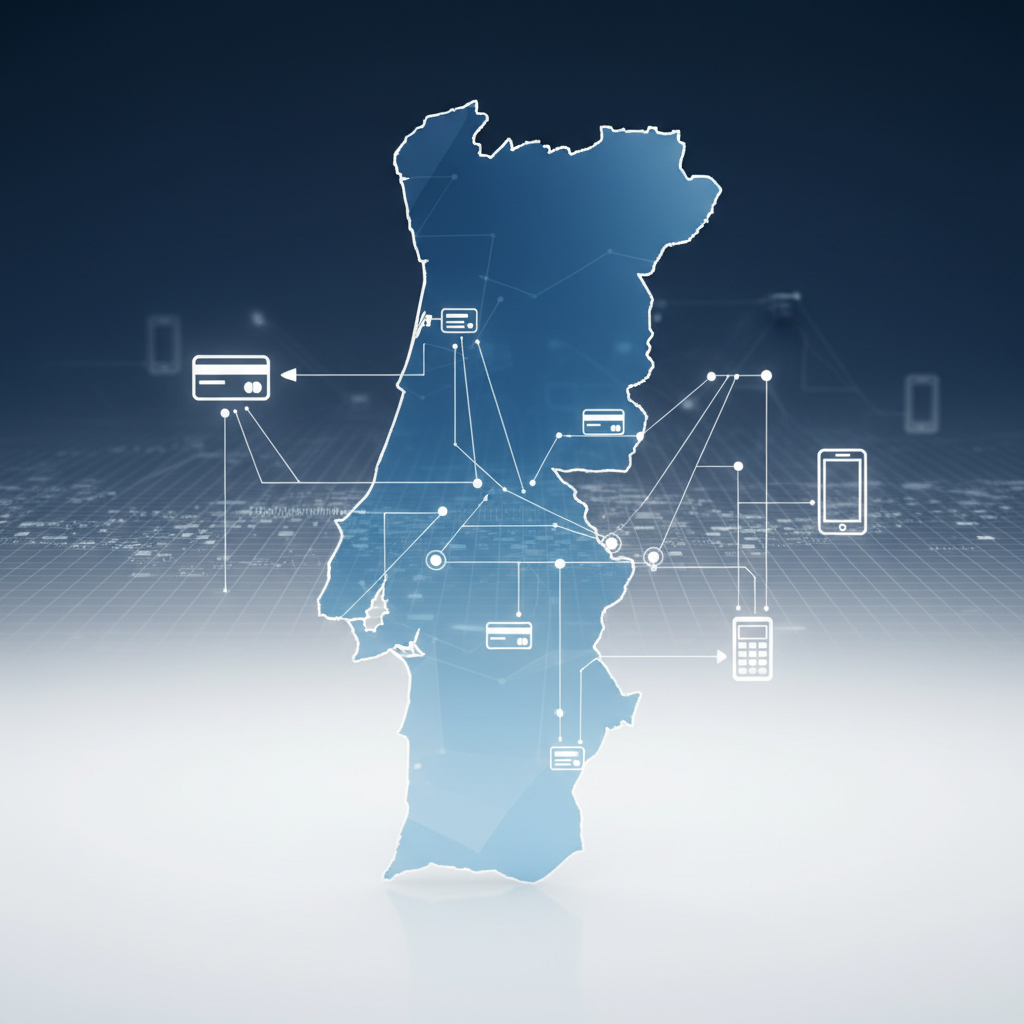
Portugal, with its growing economy and increasing digitalization, presents a dynamic market for businesses. For any enterprise, whether a startup, an e-commerce giant, or a traditional brick-and-mortar store, efficient and secure payment processing is not merely a convenience but a cornerstone of success. This article provides a comprehensive overview of the payment processing solutions available in Portugal, offering insights into regulatory frameworks, key players, and practical considerations for businesses.
The Portuguese Payment Landscape: An Overview
The Portuguese payment ecosystem is characterized by a strong preference for debit cards, particularly those integrated with the national Multibanco system, alongside a rising adoption of credit cards and digital wallets. The country is part of the Single Euro Payments Area (SEPA), which standardizes cashless payments across Europe, simplifying cross-border transactions within the zone. Businesses operating in Portugal must cater to these local preferences while also offering internationally recognized payment methods to attract a broader customer base.
Key Payment Methods in Portugal
- Multibanco: This is Portugal's interbank network, offering a wide array of services beyond just ATM withdrawals. It's ubiquitous for debit card payments, online bill payments, and even top-ups. For businesses, accepting Multibanco payments, especially through its online payment gateway MB WAY, is almost a prerequisite for local customer engagement.
- Credit and Debit Cards (Visa, Mastercard, American Express): Internationally recognized card schemes are widely accepted, particularly in tourist-heavy areas and larger retail chains. Businesses should ensure their payment terminals and online gateways support these major cards.
- MB WAY: A mobile payment solution linked to the Multibanco network, MB WAY allows users to make instant payments, transfer money, and withdraw cash using only their smartphone. Its popularity has surged, making it an essential offering for both online and physical stores.
- Bank Transfers (SEPA Credit Transfer, SEPA Direct Debit): For larger transactions, recurring payments, or B2B operations, SEPA bank transfers remain a fundamental payment method. SEPA Direct Debit is particularly useful for subscriptions or utility payments.
- Digital Wallets (PayPal, Apple Pay, Google Pay): While not as dominant as Multibanco or traditional cards, digital wallets are gaining traction, especially among younger demographics and for online purchases. Offering these can enhance convenience and appeal to a broader audience.
- Cash: Despite the rise of digital payments, cash still plays a significant role in day-to-day transactions, particularly in smaller establishments and rural areas. Businesses must be prepared to handle cash payments.
Choosing the Right Payment Processing Solution
Selecting the appropriate payment processing solution involves evaluating several factors, including your business type, target audience, transaction volume, and budget. The primary options include traditional acquiring banks, payment service providers (PSPs), and specialized fintech solutions.
Traditional Acquiring Banks
Portuguese banks, such as Caixa Geral de Depósitos, Millennium bcp, Novo Banco, and Santander Totta, offer merchant accounts and payment processing services. They typically provide point-of-sale (POS) terminals for physical stores and gateway services for e-commerce. While often reliable and well-regulated, their services might come with higher fees, less flexibility, and slower onboarding processes compared to PSPs.
Pros: Established reputation, direct relationship with a financial institution, often integrated with business banking services. Cons: Potentially higher fees, less agile technology, longer setup times.
Payment Service Providers (PSPs)
PSPs act as intermediaries between your business, acquiring banks, and card networks. They offer a unified solution for accepting various payment methods, often with simpler integration, competitive pricing, and advanced features like fraud detection and recurring billing. Popular international PSPs operating in Portugal include Stripe, PayPal, Adyen, and Square, alongside local players.
Pros: Wider range of payment methods, easier integration (especially for e-commerce), competitive pricing models, advanced features, faster onboarding. Cons: Fees can vary significantly, reliance on a third-party provider.
Specialized Fintech Solutions
Beyond general PSPs, there are specialized fintech companies focusing on specific niches, such as mobile payments (e.g., MB WAY integration providers), cryptocurrency payments, or industry-specific solutions. These can offer highly tailored services but might require additional integration efforts.
Regulatory Environment and Compliance
Operating in the Portuguese payment landscape requires adherence to European and national regulations. The primary regulatory body is the Banco de Portugal (Bank of Portugal).
- PSD2 (Payment Services Directive 2): This EU directive aims to make payments more secure, foster innovation, and protect consumers. Key aspects include Strong Customer Authentication (SCA) for online transactions, which often involves two-factor authentication, and open banking initiatives that allow third-party providers to access account information with customer consent.
- GDPR (General Data Protection Regulation): Any processing of personal data, including payment information, must comply with GDPR. This mandates strict data protection and privacy standards, requiring businesses to handle customer data responsibly and securely.
- PCI DSS (Payment Card Industry Data Security Standard): While not a legal requirement, PCI DSS is a set of security standards designed to ensure that all companies that process, store, or transmit credit card information maintain a secure environment. Non-compliance can lead to significant fines and reputational damage.
Businesses must ensure their chosen payment processor is compliant with these regulations. Reputable PSPs and banks typically handle much of this compliance burden, but the ultimate responsibility for data security and regulatory adherence often rests with the merchant.
Costs and Pricing Models
Understanding the cost structure of payment processing is vital for managing profitability. Common pricing models include:
- Transaction Fees: A percentage of each transaction value, often combined with a fixed per-transaction fee. This is the most common model.
- Monthly Fees: A fixed fee charged regardless of transaction volume, often covering account maintenance or basic services.
- Setup Fees: One-time fees for account activation or hardware installation.
- Chargeback Fees: Penalties incurred when a customer disputes a transaction.
- PCI Compliance Fees: Some providers charge an annual fee to help merchants maintain PCI DSS compliance.
- Terminal Rental/Purchase: For physical stores, the cost of POS terminals can be a significant factor.
When comparing providers, always request a detailed breakdown of all potential fees and consider your projected transaction volume and average transaction value to determine the most cost-effective solution.
Practical Advice for Businesses
- Understand Your Customer Base: Research your target audience's preferred payment methods. For local Portuguese customers, Multibanco and MB WAY are indispensable.
- Evaluate Integration Ease: For e-commerce businesses, ensure the payment gateway integrates seamlessly with your chosen e-commerce platform (e.g., Shopify, WooCommerce, Magento).
- Prioritize Security: Choose providers with robust fraud detection tools, PCI DSS compliance, and support for SCA. Protecting customer data is paramount.
- Consider Scalability: Select a solution that can grow with your business, accommodating increased transaction volumes and potentially new payment methods.
- Review Customer Support: Reliable and responsive customer support is crucial, especially when dealing with technical issues or payment disputes.
- Compare Fees Transparently: Get quotes from multiple providers and meticulously compare all fees, not just the headline transaction rates.
- Localize Your Offerings: Beyond payment methods, consider offering your payment page in Portuguese and ensuring local currency display.
Conclusion
The payment processing landscape in Portugal offers a wealth of options for businesses of all sizes. From the deeply ingrained Multibanco system and its mobile counterpart MB WAY to international card schemes and emerging digital wallets, understanding and strategically implementing the right payment solutions is critical for market penetration and customer satisfaction. By carefully considering regulatory compliance, cost structures, and the specific needs of your business and customers, entrepreneurs can navigate this environment effectively, ensuring seamless transactions and fostering growth in the vibrant Portuguese market. The key lies in balancing local preferences with global standards, ensuring security, and leveraging technology to enhance the customer experience.