Navigating Payment Processing Solutions in Switzerland: A Comprehensive Guide for Businesses
Switzerland, a global financial hub, offers a sophisticated yet complex landscape for payment processing. This guide delves into the various solutions available, regulatory considerations, and practical advice for businesses operating within or expanding into the Swiss market.
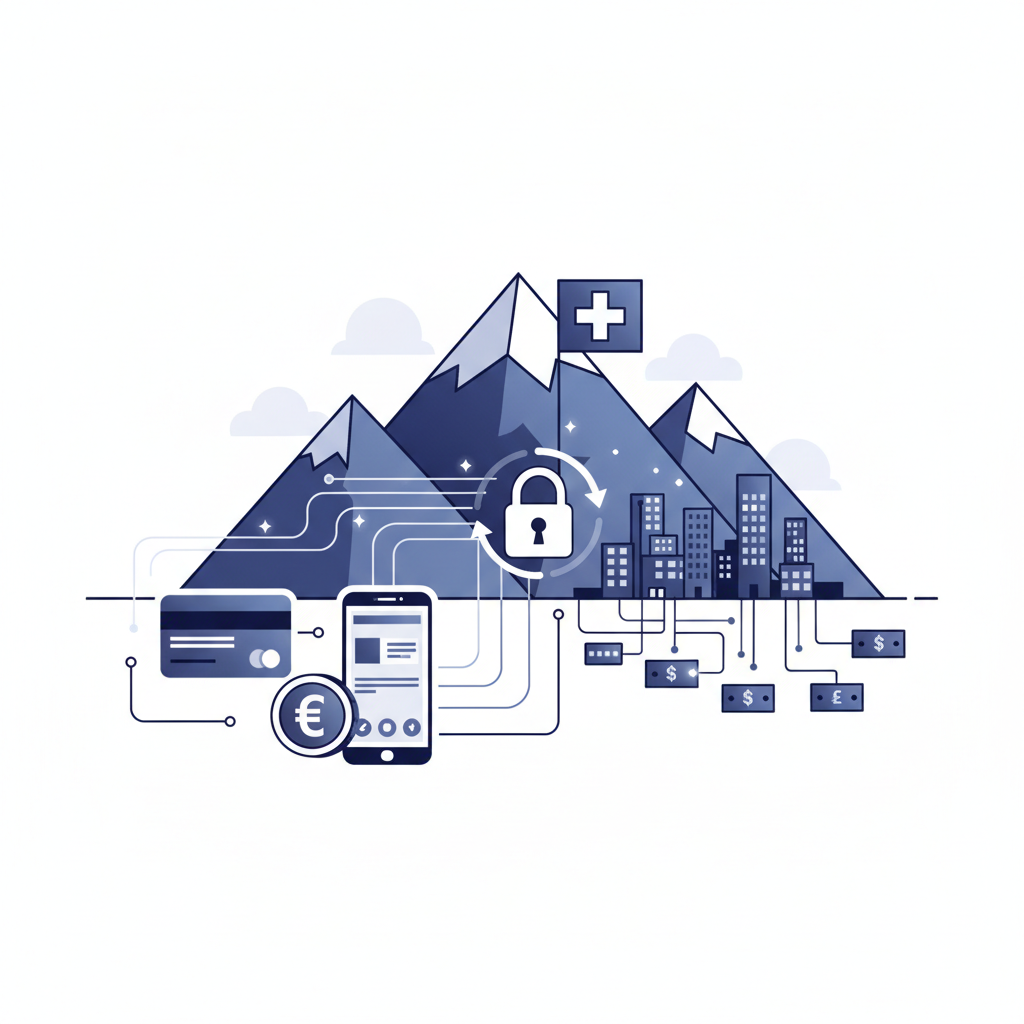
Switzerland, renowned for its economic stability, high purchasing power, and advanced technological infrastructure, presents a unique and attractive market for businesses. However, navigating the myriad of payment processing solutions available, coupled with a robust regulatory environment, requires a clear understanding. This comprehensive guide aims to equip entrepreneurs and business professionals with the knowledge needed to make informed decisions about payment processing in Switzerland.
The Swiss Payment Landscape: An Overview
Switzerland's payment ecosystem is characterized by a high adoption of cashless transactions, a strong preference for local payment methods, and a stringent regulatory framework. While international credit and debit cards like Visa, Mastercard, and American Express are widely accepted, local solutions such as TWINT and PostFinance Card hold significant market share. Businesses operating in Switzerland must cater to these preferences to optimize sales and customer satisfaction. The Swiss National Bank (SNB) oversees the financial system, ensuring stability and efficiency, while the Financial Market Supervisory Authority (FINMA) regulates financial institutions, including those involved in payment services. Compliance with data protection laws, particularly the Federal Act on Data Protection (FADP), is also paramount, aligning closely with GDPR principles.
Key Payment Methods in Switzerland
Understanding the dominant payment methods is crucial for any business. While credit and debit cards remain popular, their usage patterns can differ from other markets. PostFinance Card, issued by the state-owned PostFinance bank, is a widely used debit card, especially for online transactions and in smaller retail outlets. TWINT, a mobile payment app, has rapidly gained traction, becoming a dominant force in both online and in-store payments due to its ease of use and integration with major Swiss banks. Bank transfers, often facilitated by QR-bill technology, are also common for larger transactions and B2B payments. Invoice payments, particularly for online purchases, are still prevalent, reflecting a cultural preference for receiving goods before payment. Additionally, e-wallets like Apple Pay and Google Pay are gaining ground, often linked to underlying credit or debit cards.
Choosing the Right Payment Processing Solution
Selecting an appropriate payment processor involves evaluating several factors, including transaction volume, business model (online, brick-and-mortar, or both), target audience, and budget. Switzerland offers a range of providers, from traditional banks to specialized payment service providers (PSPs) and global fintech companies.
Traditional Banks vs. Payment Service Providers (PSPs)
Traditional Swiss banks, such as UBS, Credit Suisse (now part of UBS), and PostFinance, offer merchant accounts and payment gateway services. They often provide integrated solutions, especially for existing business banking clients. While they offer reliability and a strong local presence, their fees can sometimes be higher, and their integration capabilities might be less flexible compared to specialized PSPs.
PSPs, on the other hand, focus solely on payment processing. Companies like Worldline (formerly SIX Payment Services), Adyen, Stripe, and PayPal are prominent players in the Swiss market. They typically offer a broader range of payment methods, advanced fraud detection tools, and more flexible integration options (APIs, plugins for e-commerce platforms). PSPs often act as intermediaries, connecting businesses to various acquiring banks and payment networks, simplifying the process for merchants. They can be particularly advantageous for e-commerce businesses seeking to accept a wide array of international and local payment methods.
E-commerce and In-Store Solutions
For online businesses, a robust payment gateway is essential. This software connects the merchant's website to the payment processor, securely transmitting transaction data. Key features to look for include support for local Swiss payment methods (TWINT, PostFinance Card, QR-bill), multi-currency processing (CHF, EUR, USD), strong security protocols (PCI DSS compliance, 3D Secure), and seamless integration with popular e-commerce platforms like Shopify, WooCommerce, and Magento. Many PSPs offer comprehensive e-commerce suites that include hosted payment pages, recurring billing capabilities, and detailed analytics.
For brick-and-mortar stores, Point-of-Sale (POS) systems are crucial. These systems integrate hardware (card terminals, cash registers) with software to process in-person payments. Modern POS solutions often support contactless payments, mobile payments (TWINT, Apple Pay), and traditional chip-and-PIN transactions. Providers like Worldline, SumUp, and Square offer various POS terminals and integrated solutions tailored to different business sizes and needs. It's important to consider the cost of hardware, transaction fees, and the ease of integration with inventory management and accounting software.
Regulatory Compliance and Security
Operating in the Swiss financial landscape necessitates strict adherence to regulatory requirements. FINMA oversees payment service providers, ensuring consumer protection and financial stability. Businesses must ensure their chosen payment processor complies with all relevant Swiss laws and regulations.
Data Protection and PCI DSS Compliance
Data protection is a critical aspect. The Swiss Federal Act on Data Protection (FADP), revised in 2023, aligns closely with the EU's GDPR, imposing strict rules on the collection, processing, and storage of personal data. Businesses must ensure their payment processing solutions are FADP-compliant, particularly regarding the handling of sensitive customer payment information. Payment Card Industry Data Security Standard (PCI DSS) compliance is mandatory for any entity that stores, processes, or transmits credit card data. Choosing a PCI DSS compliant payment processor significantly reduces a merchant's compliance burden and enhances security.
Anti-Money Laundering (AML) and Know Your Customer (KYC)
Swiss financial institutions and payment service providers are subject to stringent Anti-Money Laundering (AML) regulations. This includes robust Know Your Customer (KYC) procedures, where businesses must verify the identity of their customers. Payment processors will typically require extensive documentation from merchants during the onboarding process to comply with these regulations. Businesses themselves must also be aware of their obligations in preventing money laundering and terrorist financing, especially if they handle large transaction volumes or operate in high-risk sectors.
Costs and Timelines
The cost structure for payment processing in Switzerland typically includes several components: setup fees, monthly fees, transaction fees (percentage per transaction plus a fixed amount), chargeback fees, and potentially fees for additional services like fraud protection or multi-currency processing. These costs can vary significantly between providers and depend on factors like transaction volume, average transaction value, and the types of payment methods accepted.
Understanding the Cost Components
- Setup Fees: Some providers charge an initial fee to set up the merchant account or payment gateway. Many modern PSPs, however, have eliminated these fees.
- Monthly Fees: A recurring fee for maintaining the service. This can vary based on the service tier or included features.
- Transaction Fees: The most significant cost component. This usually comprises an interchange fee (paid to the card-issuing bank), a scheme fee (paid to the card network like Visa/Mastercard), and a markup by the acquiring bank or PSP. For local payment methods like TWINT, fees might be structured differently.
- Chargeback Fees: A fee incurred when a customer disputes a transaction. These can be substantial, emphasizing the need for robust fraud prevention.
- Hardware Costs: For in-store solutions, the cost of POS terminals and other hardware must be factored in.
Onboarding Timelines
The timeline for setting up payment processing can range from a few days to several weeks. Online-focused PSPs often offer quick onboarding, sometimes within 24-48 hours for basic services, especially for sole proprietorships or small businesses. However, for larger corporations or those requiring complex integrations, the process can take longer. Traditional banks typically have more extensive application processes, which can extend onboarding times. Providing all required documentation promptly and accurately is key to expediting the setup process.
Conclusion
Switzerland offers a dynamic and advanced environment for payment processing, catering to a diverse range of business needs. Successfully navigating this landscape requires a strategic approach, encompassing a thorough understanding of local payment preferences, regulatory compliance, and cost considerations. By carefully evaluating traditional banking solutions against specialized PSPs, and by prioritizing robust security and data protection measures, businesses can establish efficient, secure, and customer-friendly payment systems. The key to success lies in choosing a solution that not only meets current operational demands but also scales with future growth, ensuring seamless financial transactions in one of the world's leading financial centers.