Opening a Corporate Bank Account in Switzerland: A Comprehensive Step-by-Step Guide for Businesses
Navigating the complexities of opening a corporate bank account in Switzerland requires a clear understanding of its stringent regulations and meticulous processes. This guide provides an in-depth look at the requirements, procedures, and key considerations for businesses seeking to establish a financial foothold in this globally respected banking hub.
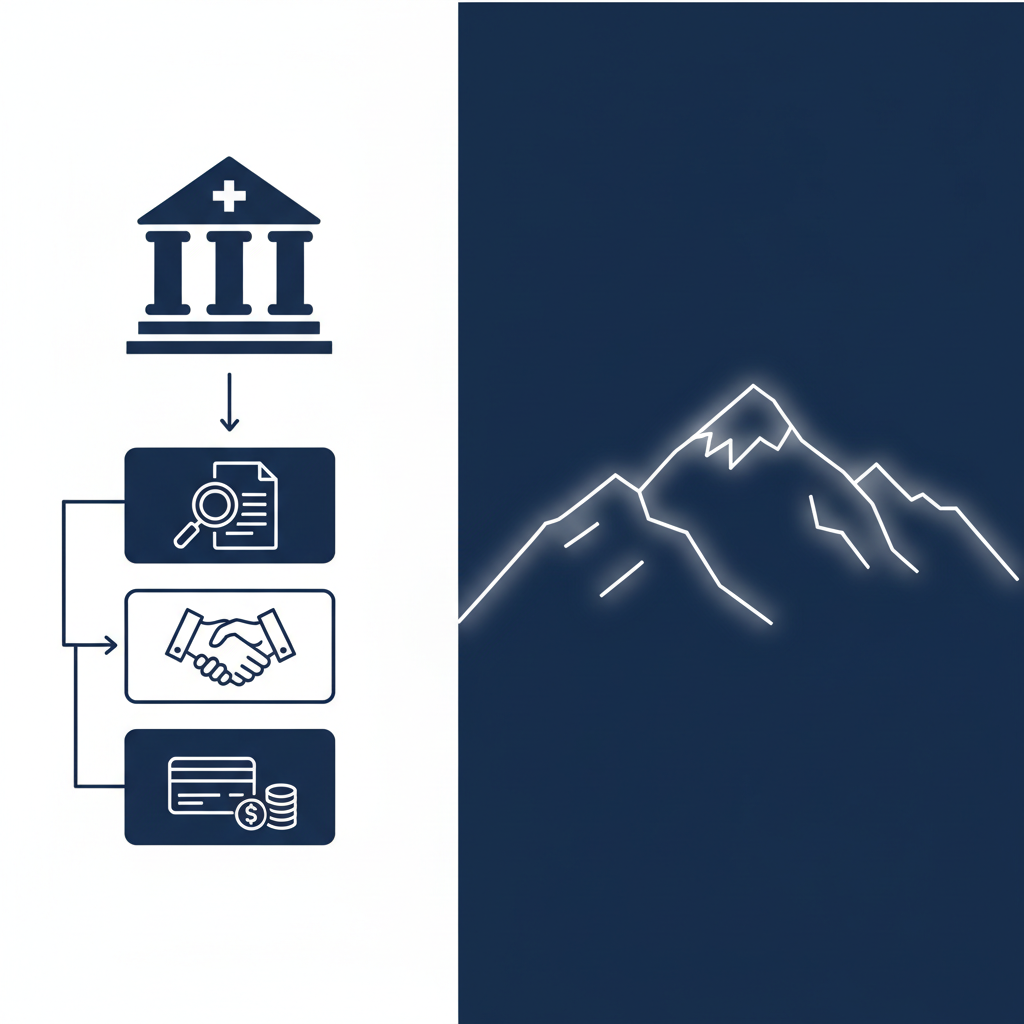
Switzerland has long been synonymous with financial stability, discretion, and a robust banking sector, making it an attractive jurisdiction for businesses seeking to open a corporate bank account. While its reputation for security and efficiency remains unparalleled, the process of establishing a corporate banking relationship in Switzerland is often perceived as complex and demanding. This perception is not entirely unfounded; Swiss banks adhere to some of the strictest anti-money laundering (AML) and Know Your Customer (KYC) regulations globally. However, with the right preparation and understanding of the requirements, businesses can successfully navigate this landscape.
Why Choose Switzerland for Your Corporate Bank Account?
The decision to open a corporate bank account in Switzerland is often driven by several compelling factors. Firstly, Switzerland's political and economic stability provides an unparalleled level of security for corporate assets. Its long-standing neutrality and strong legal framework minimize risks associated with geopolitical instability or economic downturns in other regions. Secondly, Swiss banks are renowned for their high-quality services, including sophisticated wealth management, international payment processing, and multi-currency accounts, catering to diverse business needs. Thirdly, the country's central location in Europe and its highly developed financial infrastructure make it an ideal hub for international trade and investment. Finally, while banking secrecy has evolved significantly, Swiss banks still offer a high degree of privacy and professionalism, albeit within the strict confines of international transparency standards.
Key Benefits for Businesses:
- Financial Stability and Security: A robust economy and stable political environment.
- Global Reach: Facilitation of international transactions and multi-currency operations.
- Expertise and Service: Access to specialized financial products and professional advisory.
- Reputation: Association with a globally respected financial jurisdiction.
Eligibility and Pre-Application Considerations
Before even approaching a Swiss bank, businesses must understand the stringent eligibility criteria. Swiss banks are highly selective, particularly with foreign entities, and will conduct extensive due diligence. The primary focus of this due diligence is to understand the company's structure, its beneficial owners, the source of its funds, and the nature of its business activities. Companies with complex ownership structures, those operating in high-risk industries (e.g., gambling, adult entertainment, certain cryptocurrency ventures), or those from jurisdictions with weak AML regulations may face significant hurdles or outright rejection.
Essential Requirements for Application:
- Legitimate Business Purpose: The company must demonstrate a clear and legitimate reason for needing a Swiss bank account, often linked to international trade, holding company activities, or a significant connection to Switzerland (e.g., Swiss-based operations, clients, or suppliers).
- Company Documentation: This typically includes the Certificate of Incorporation, Articles of Association, Register of Directors, Register of Shareholders, and proof of registered office. All documents must be certified and, if not in a major European language, officially translated.
- Beneficial Ownership Information: Full disclosure of all ultimate beneficial owners (UBOs) holding 25% or more of the company's shares or voting rights. This includes their passports, proof of address, and often a detailed CV or professional profile.
- Source of Funds/Wealth: Banks will require documentation proving the legitimate source of the company's initial capital and the UBOs' personal wealth.
- Business Plan: A comprehensive business plan outlining the company's activities, target markets, projected turnover, and anticipated transaction volumes and types. This helps the bank assess the risk profile and suitability.
- Tax Compliance: Proof of tax compliance in the company's country of incorporation and for its UBOs. Switzerland adheres to international tax transparency standards, including the Common Reporting Standard (CRS) and FATCA.
It is highly advisable to engage with a professional corporate service provider or a legal firm specializing in Swiss company formation and banking. They can provide invaluable guidance, assist with document preparation, and often have established relationships with Swiss banks, which can streamline the application process.
The Application Process: Step-by-Step
The process of opening a corporate bank account in Switzerland can be broken down into several key stages. While specific requirements may vary slightly between banks, the general framework remains consistent.
Step 1: Bank Selection
Choosing the right bank is crucial. Switzerland hosts a diverse range of banks, from large universal banks (e.g., UBS, Credit Suisse – now part of UBS, Julius Baer) to smaller private banks and cantonal banks. Consider factors such as:
- Services Offered: Do they cater to your specific business needs (e.g., trade finance, foreign exchange, online banking capabilities)?
- Minimum Deposit Requirements: Many Swiss banks have significant minimum deposit requirements for corporate accounts, often ranging from CHF 100,000 to several million, depending on the bank and client profile.
- Fees and Charges: Understand the fee structure for account maintenance, transactions, and specialized services.
- Client Profile: Does the bank typically work with companies of your size and industry?
- Language Support: Ensure the bank offers services in a language you are comfortable with.
Step 2: Initial Contact and Pre-Screening
Once a suitable bank is identified, the next step is to make initial contact. This often involves submitting a preliminary application or a detailed inquiry form, along with basic company information and UBO details. The bank will conduct an initial pre-screening to determine if your company meets their basic eligibility criteria and risk appetite. This stage is critical as it can prevent wasted time and effort if the bank is unlikely to accept your application.
Step 3: Document Submission and Due Diligence
If the pre-screening is successful, the bank will request the full suite of required documents. This is where the extensive KYC and AML checks come into play. Expect to provide original or certified copies of all corporate documents, UBO identification, proof of address, and detailed financial information. The bank's compliance team will meticulously review these documents, verify information, and may request additional details or clarifications. This phase can be time-consuming and requires patience and thoroughness from the applicant.
Step 4: Interview and Account Opening
In many cases, particularly for non-resident companies, the bank may require an in-person meeting with the company's directors or UBOs. This interview serves to verify identities, discuss the business model in detail, and ensure a clear understanding of the company's banking needs. While some banks may offer video conferencing options, an in-person meeting often strengthens the application. Once all due diligence is completed to the bank's satisfaction, and any initial deposit requirements are met, the account will be formally opened.
Costs, Timelines, and Ongoing Compliance
Opening a corporate bank account in Switzerland is not a quick or inexpensive process. Businesses should budget for various costs and prepare for a significant timeline.
Costs Involved:
- Application Fees: Some banks charge non-refundable application or due diligence fees, ranging from a few hundred to several thousand Swiss Francs.
- Minimum Deposit: As mentioned, substantial minimum deposit requirements are common.
- Account Maintenance Fees: Monthly or annual fees for account upkeep.
- Transaction Fees: Charges for international transfers, currency conversions, and other banking services.
- Professional Fees: Costs for legal advice, corporate service providers, and document certification/translation can be significant.
Timelines:
The timeline for opening a corporate bank account in Switzerland can vary widely. While some straightforward cases might be processed in 4-6 weeks, more complex applications, especially those involving multiple UBOs or high-risk jurisdictions, can take 3-6 months or even longer. Delays often arise from incomplete documentation, slow responses to bank queries, or additional due diligence requirements.
Ongoing Compliance:
Once the account is open, ongoing compliance is paramount. Swiss banks continuously monitor transactions and client activities to ensure adherence to AML regulations. Any significant changes to the company's ownership structure, business activities, or contact details must be promptly reported to the bank. Failure to comply with ongoing reporting requirements or suspicious activities can lead to account suspension or closure.
Conclusion
Opening a corporate bank account in Switzerland is a strategic move that offers significant advantages in terms of financial stability, global reach, and professional service. However, it demands meticulous preparation, a clear understanding of stringent regulatory requirements, and a commitment to transparency. Businesses must be prepared for a rigorous due diligence process, potentially high minimum deposit requirements, and a considerable timeline. Engaging with experienced professionals can significantly streamline the application and increase the likelihood of success. By carefully selecting the right bank and diligently fulfilling all compliance obligations, businesses can successfully establish a robust financial foundation in one of the world's most respected banking jurisdictions, leveraging Switzerland's unique position in the global financial landscape for sustained growth and security.