
The True Cost of Establishing a Company in Ireland: A Comprehensive Guide for Entrepreneurs
Establishing a company in Ireland offers numerous strategic advantages, from its pro-business environment to its attractive corporate tax rates. However, understanding the full spectrum of costs involved, beyond just initial registration fees, is crucial for successful planning and sustainable operation. This article delves into the true financial and administrative commitments required to set up and maintain a business in Ireland.
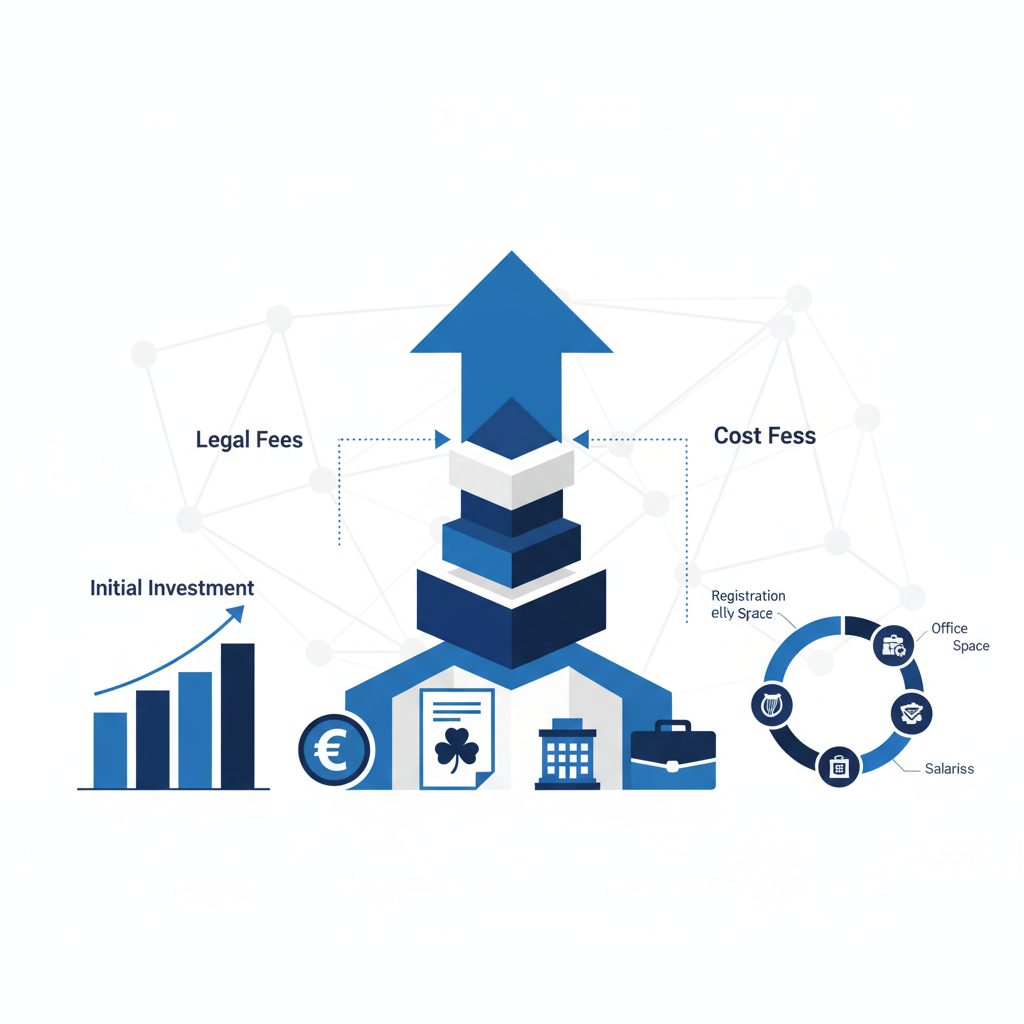
The True Cost of Establishing a Company in Ireland: A Comprehensive Guide for Entrepreneurs
Ireland has long been a magnet for international businesses, celebrated for its stable economy, highly educated workforce, and strategic location as a gateway to both the European Union and the United States. Its competitive corporate tax rate of 12.5% for trading income is a significant draw, making it an attractive jurisdiction for startups, SMEs, and multinational corporations alike. However, the decision to incorporate in Ireland should be based on a holistic understanding of all associated costs, not merely the headline registration fees. This comprehensive guide aims to illuminate the true financial and administrative landscape confronting entrepreneurs and businesses looking to establish a presence in the Republic of Ireland.
Initial Formation Costs: Beyond the Registration Fee
The initial step in setting up a company in Ireland involves registration with the Companies Registration Office (CRO). While the CRO's filing fee for incorporating a new company is relatively modest, typically ranging from €50 to €100 for online submissions, this figure represents only a fraction of the actual upfront expenditure. The true initial formation costs encompass several critical elements.
Firstly, professional advice is almost indispensable. Engaging legal and accounting professionals is highly recommended to ensure compliance with Irish company law from day one. Legal fees for drafting the company's Constitution (formerly Memorandum and Articles of Association), advising on company structure, director responsibilities, and shareholder agreements can range from €750 to €2,500 or more, depending on the complexity and the law firm's reputation. Similarly, an accountant will be needed to advise on tax registration, payroll setup, and initial financial planning, with fees typically starting from €500 to €1,500 for initial setup services.
Secondly, the requirement for at least one director to be resident in the European Economic Area (EEA) is a key consideration. If a company does not have an EEA-resident director, it must either obtain a bond under Section 137 of the Companies Act 2014 or demonstrate a 'real and continuous link' with an economic activity in Ireland. The Section 137 bond, which indemnifies the company against certain penalties, typically costs between €1,500 and €2,500 for a two-year period. Alternatively, some companies opt to appoint a nominee director, which incurs ongoing fees, often starting from €3,000 per annum.
Thirdly, a registered office address in Ireland is mandatory. While some businesses may use their own premises, many foreign companies or startups opt for virtual office services, which provide a professional address and mail handling. Costs for these services vary but generally range from €25 to €100 per month, or €300 to €1,200 annually.
Finally, bank account setup can sometimes involve fees, particularly for non-resident directors or complex corporate structures. While many Irish banks offer free business accounts for a limited period, ongoing maintenance fees or transaction charges may apply, which should be factored into the initial financial projections.
Ongoing Compliance and Operational Expenses
Beyond the initial setup, a company in Ireland faces a range of ongoing compliance and operational expenses that are critical for its continued legal and financial health. These costs are often underestimated but are fundamental to maintaining good standing with regulatory bodies.
Annual Compliance Filings and Audits
Every Irish company is legally obliged to file an Annual Return (Form B1) with the CRO, regardless of its trading status. The online filing fee is currently €20. However, the preparation of the Annual Return, which includes financial statements, typically requires the services of an accountant. Accountancy fees for preparing and filing annual statutory financial statements and the Annual Return can range from €800 to €3,000 or more annually, depending on the company's size, transaction volume, and complexity. Small companies may be exempt from audit requirements if they meet certain criteria (e.g., turnover not exceeding €12 million, balance sheet total not exceeding €6 million, and average number of employees not exceeding 50). For companies that do not qualify for audit exemption, audit fees can be substantial, often starting from €3,000 and increasing significantly with company size and complexity.
Taxation and Regulatory Compliance
Ireland's tax regime, while attractive, requires diligent compliance. Companies must register for Corporation Tax, VAT (if applicable, with thresholds currently at €40,000 for services and €80,000 for goods), and Employer PAYE/PRSI (if employing staff). Engaging an accountant for ongoing tax compliance, including preparing and filing corporation tax returns (Form CT1), VAT returns, and payroll submissions, is essential. Monthly or quarterly accounting retainers for these services can range from €150 to €500 per month, depending on the scope of services and company activity.
Other regulatory costs might include data protection compliance (GDPR), particularly if handling personal data of EU citizens. While not a direct fee, investing in data protection officers or legal advice to ensure compliance can be a significant cost for some businesses.
Insurance and Business Licenses
Depending on the industry and nature of the business, various types of insurance may be mandatory or highly advisable. These can include public liability insurance, employer's liability insurance, professional indemnity insurance, and cyber insurance. Premiums vary widely but can easily run into several hundred to several thousand euros annually. Furthermore, certain industries require specific licenses or permits to operate, each potentially incurring application fees and ongoing renewal costs. Researching these sector-specific requirements early is crucial.
Human Resources and Infrastructure Costs
While not strictly 'company setup' costs, human resources and infrastructure represent significant ongoing expenses that are integral to operating a business in Ireland.
Ireland has a strong employment protection framework. Employers must adhere to minimum wage requirements, provide statutory sick pay, and contribute to employees' social insurance (PRSI). The cost of employing staff extends beyond gross salary to include employer PRSI contributions (currently at 11.05% on earnings above a certain threshold), pension contributions (if offered), and benefits. Recruitment costs, whether through agencies or internal processes, can also be substantial.
Office space, if required, is another major consideration. Rental costs in major cities like Dublin can be high, with prime locations commanding significant premiums. Utilities, internet, and office maintenance further add to these overheads. Even for remote-first companies, investing in robust IT infrastructure, software licenses, and cybersecurity measures is a necessary operational cost.
Conclusion
Establishing a company in Ireland presents a compelling proposition for many businesses, offering access to a vibrant economy and a strategic position within the global marketplace. However, a clear-eyed understanding of the true costs involved is paramount for successful planning and long-term sustainability. Beyond the initial CRO registration fee, entrepreneurs must budget for professional legal and accounting advice, potential director residency bonds, registered office services, ongoing compliance filings, tax obligations, insurance, and the significant costs associated with human resources and operational infrastructure. By carefully considering all these elements, businesses can accurately project their financial commitments and build a robust foundation for growth and success in Ireland. The investment, when planned meticulously, can yield substantial returns, but underestimating the full spectrum of expenses can lead to unforeseen challenges.


