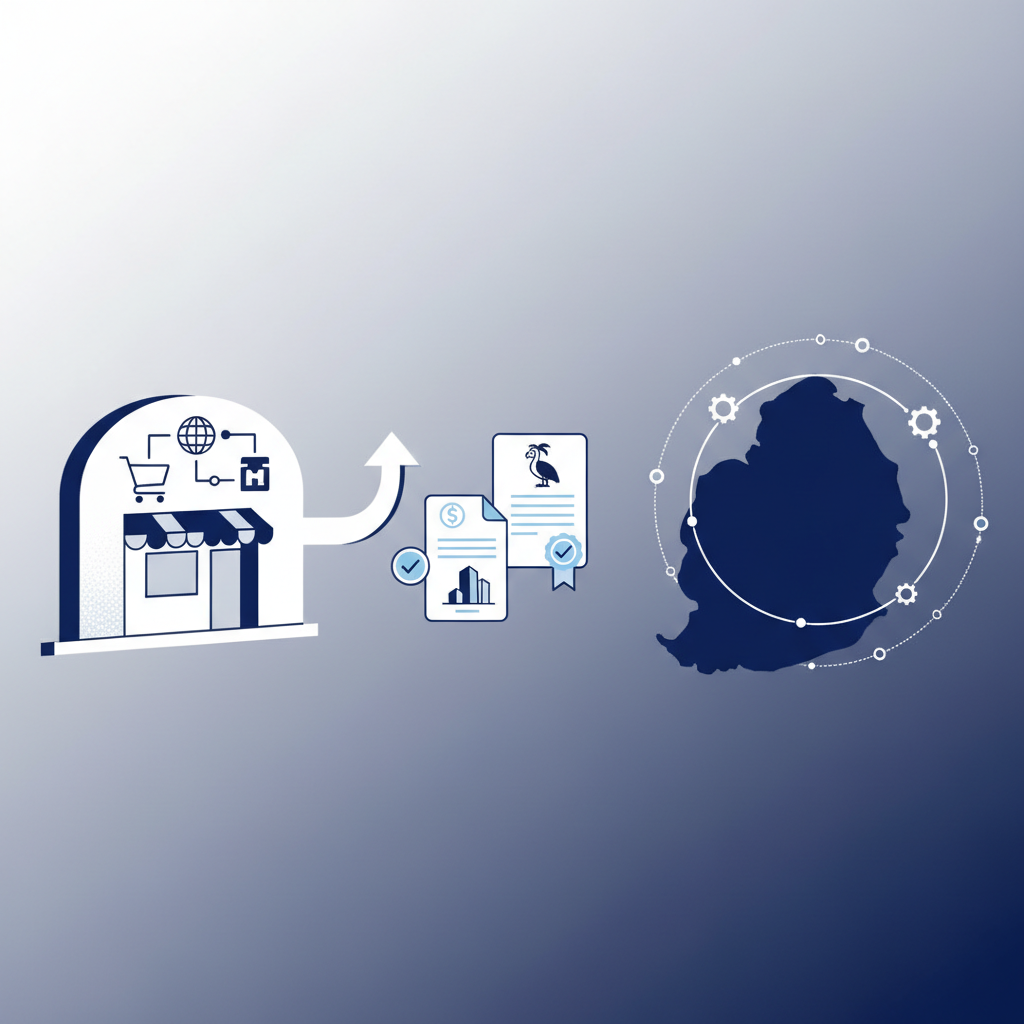
Navigieren durch die Lizenzierung von Lebensmittel- und Getränkegeschäften im Vereinigten Königreich: Ein umfassender Leitfaden
Die Gründung eines Lebensmittel- und Getränkebetriebs im Vereinigten Königreich erfordert das Navigieren durch ein komplexes Geflecht von Lizenzen und Vorschriften. Dieser Artikel bietet einen detaillierten Leitfaden für Unternehmer und behandelt wesentliche Registrierungen, Gesundheits- und Sicherheitsanforderungen, spezifische Genehmigungen sowie den Gesamtprozess, um einen rechtlich einwandfreien und erfolgreichen Betrieb sicherzustellen.

Navigating Food and Beverage Business Licensing in the United Kingdom: A Comprehensive Guide
The United Kingdom's vibrant food and beverage (F&B) sector offers immense opportunities for entrepreneurs, from quaint cafes and bustling restaurants to innovative food trucks and sophisticated catering services. However, successfully launching and operating an F&B business in the UK necessitates a thorough understanding and meticulous adherence to a myriad of licensing and regulatory requirements. Failure to comply can lead to significant penalties, business disruption, and reputational damage. This comprehensive guide aims to demystify the licensing process, providing practical insights for business professionals and aspiring F&B proprietors.
Understanding the Regulatory Framework
The regulatory landscape for F&B businesses in the UK is multi-layered, involving national legislation, local authority bylaws, and specific industry standards. Key bodies overseeing this sector include the Food Standards Agency (FSA), local councils (environmental health departments), and HM Revenue & Customs (HMRC). The primary objective of these regulations is to ensure public health and safety, fair trading, and environmental protection.
Essential Initial Registrations
Before any food business can commence operations, several fundamental registrations are mandatory. These form the bedrock of legal compliance:
-
Food Business Registration: This is arguably the most crucial initial step. All food businesses, regardless of size or type (including home-based operations, mobile units, and temporary stalls), must register with their local authority's environmental health department at least 28 days before opening. This registration is free and cannot be refused. It allows the local authority to keep an up-to-date list of all food businesses in its area, enabling them to carry out inspections and provide advice. The information required typically includes the business name, address, type of business, and contact details.
-
Company Registration (if applicable): If operating as a limited company, the business must be registered with Companies House. This involves choosing a company name, appointing directors, and defining share capital. Sole traders and partnerships do not require Companies House registration, but must register for self-assessment with HMRC.
-
HMRC Registration: All businesses, whether sole traders, partnerships, or limited companies, must register with HMRC for tax purposes. This includes registering for Corporation Tax (for limited companies), Income Tax and National Insurance (for sole traders and partners), and potentially VAT if the business's taxable turnover exceeds the current VAT threshold (which is £90,000 as of April 2024). VAT registration involves quarterly returns and can be complex, often requiring professional accounting advice.
Health, Safety, and Hygiene Compliance
Food safety and hygiene are paramount in t