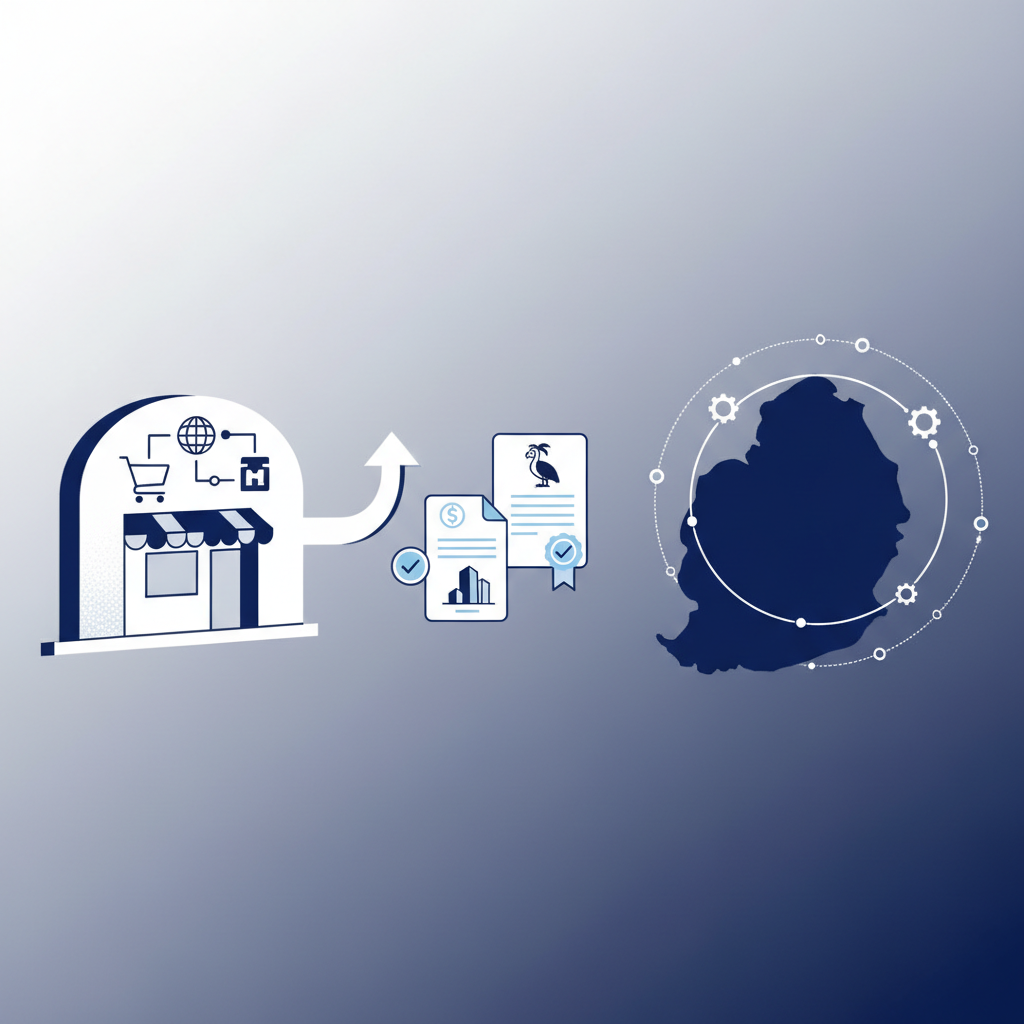
Cómo navegar las licencias para negocios de alimentos y bebidas en Portugal: Una guía integral
Establecer un negocio de alimentos y bebidas en Portugal requiere una comprensión exhaustiva de su complejo marco de licencias y regulaciones. Esta guía ofrece a los emprendedores información esencial sobre los procesos, costos y requisitos legales para lanzar y operar con éxito en este vibrante mercado.

Introduction to Food and Beverage Business Licensing in Portugal
Portugal, with its rich culinary heritage and growing tourism sector, presents an attractive market for food and beverage (F&B) entrepreneurs. However, successfully launching and operating an F&B business in the country necessitates a meticulous approach to licensing and regulatory compliance. The Portuguese legal framework, while designed to ensure public health and safety, can appear intricate to newcomers. This article aims to demystify the process, providing a comprehensive guide for entrepreneurs looking to establish restaurants, cafes, bars, or food production facilities in Portugal.
The F&B sector is heavily regulated, encompassing everything from initial business registration to specific operational permits, health and safety standards, and environmental regulations. Non-compliance can lead to significant fines, operational suspensions, and reputational damage. Therefore, a proactive and informed strategy is crucial for long-term success. Understanding the various governmental bodies involved, the types of licenses required, and the typical timelines and costs associated with each step is paramount.
Key Regulatory Bodies and Initial Business Setup
Before delving into specific F&B licenses, entrepreneurs must first establish their legal entity in Portugal. This involves several foundational steps, overseen by various national and municipal authorities.
Business Registration and Legal Entity Formation
The first step is to register the business with the Commercial Registry Office (Conservatória do Registo Comercial). This involves choosing a legal form, such as a sole proprietorship (Empresário em Nome Individual), a limited liability company (Sociedade por Quotas - Lda), or a public limited company (Sociedade Anónima - SA). The choice of legal form will impact liability, taxation, and administrative requirements. Following registration, the company must obtain a tax identification number (NIF) from the Tax and Customs Authority (Autoridade Tributária e Aduaneira).
Municipal Licensing and Activity Declaration
All commercial establishments, including F&B businesses, require a Municipal Operating License (Licença de Utilização) from the local Câmara Municipal (City Council). This license certifies that the premises comply with urban planning, safety, and hygiene regulations. For F&B businesses, this often involves an inspection by municipal technicians to verify adherence to specific requirements for kitchens, dining areas, restrooms, and accessibility.
Furthermore, before commencing operations, businesses must submit a Declaration of Commencement of Activity (Declaração de Início de Atividade) to the Tax and Customs Authority. This declaration specifies the type of activity, the business address, and the expected date of commencement.
Health and Safety Regulations
Health and safety are paramount in the F&B sector. La Autoridad de Seguridad Alimentaria y Económica