Navegando la concesión de licencias de importación y exportación en Alemania: Una guía empresarial integral
Alemania, una potencia comercial global, presenta tanto enormes oportunidades como paisajes regulatorios complejos para las empresas dedicadas al comercio internacional. Esta guía ofrece una visión práctica de los requisitos, procesos y consideraciones clave sobre licencias de importación y exportación para emprendedores y profesionales que operan en o con Alemania.
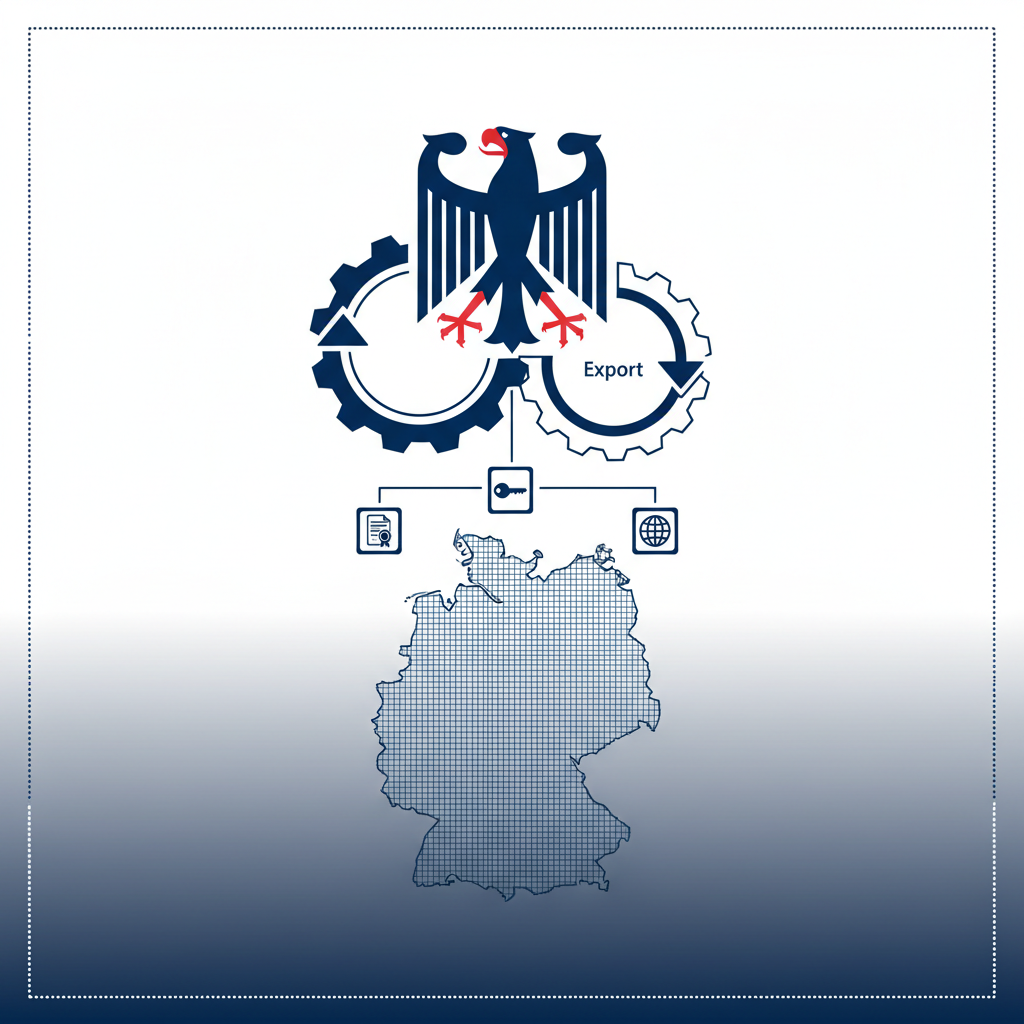
Navigating Import and Export Licensing in Germany: A Comprehensive Business Guide
Germany, as the largest economy in Europe and a leading global trading nation, offers unparalleled opportunities for businesses engaged in international commerce. However, success in this dynamic environment hinges on a thorough understanding and meticulous adherence to its import and export licensing regulations. Navigating these complexities can be daunting, but with the right knowledge, businesses can ensure compliance, mitigate risks, and streamline their trade operations. This comprehensive guide provides practical insights for entrepreneurs and business professionals looking to import into or export from Germany.
Understanding the Regulatory Framework for German Trade
Germany's import and export regulations are primarily governed by a combination of national laws and European Union (EU) legislation. As a member state of the EU, Germany adheres to the common customs and trade policies established by the EU. This means that many aspects of import and export, particularly concerning goods moving between Germany and non-EU countries (third countries), are harmonised across the bloc. Key regulatory bodies include the Federal Office for Economic Affairs and Export Control (Bundesamt für Wirtschaft und Ausfuhrkontrolle – BAFA) and the German Customs Administration (Zollverwaltung).
Key Legislation and Directives
- EU Customs Code (Union Customs Code - UCC): This is the overarching legal framework for customs rules and procedures throughout the EU, including Germany. It dictates how goods are imported into and exported from the EU customs territory.
- German Foreign Trade and Payments Act (Außenwirtschaftsgesetz – AWG): This national law, along with the Foreign Trade and Payments Ordinance (Außenwirtschaftsverordnung – AWV), implements and supplements EU regulations, particularly concerning export controls on sensitive goods, financial transactions, and sanctions.
- Export Control Regulations: Specific EU and national regulations govern the export of dual-use items (goods, software, and technology that can be used for both civilian and military purposes), military goods, and certain other sensitive technologies. These are crucial for businesses dealing with high-tech products.
Identifying When a License is Required
Not all imports or exports require a specific license in Germany. The necessity for a license typically depends on several factors:
- Nature of the Goods: Certain categories of goods are subject to strict controls. These include:
- Dual-use items: Goods, software, and technology that can be used for both civil and military purposes (e.g., certain chemicals, electronics, software). These often require export authorisation from BAFA.
- Military goods: Weapons, ammunition, and other defence-related products are subject to stringent licensing.
- Strategic goods: Items that could contribu