
Formación de empresas en Estados Unidos: Una guía completa sobre entidades comerciales
Navegar el panorama de la formación de empresas en EE. UU. requiere una comprensión profunda de las distintas entidades comerciales. Esta guía ofrece un análisis en profundidad de las estructuras más comunes, sus implicaciones legales, tratamientos fiscales y consideraciones operativas, capacitando a los emprendedores para tomar decisiones informadas.
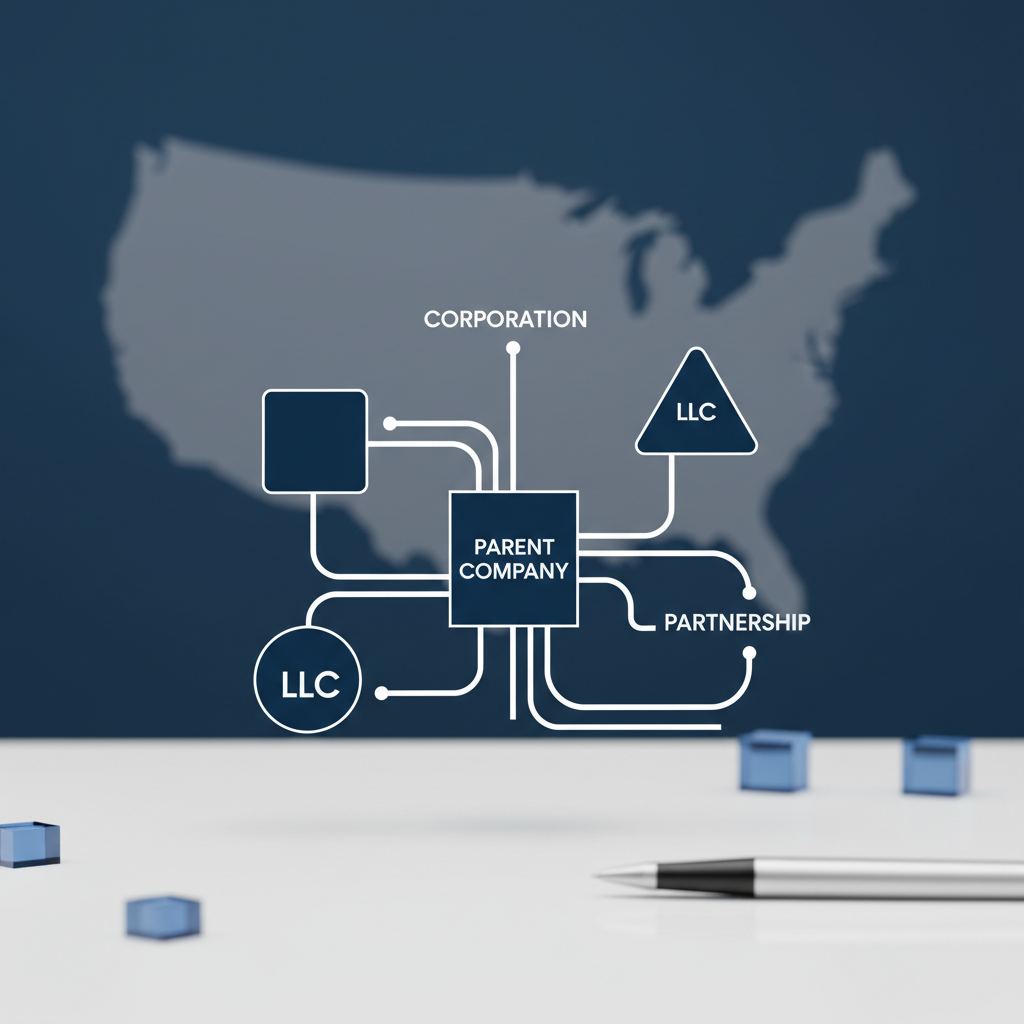
United States Company Formation: A Comprehensive Guide to Business Entities
The United States offers a dynamic and robust environment for business formation, attracting entrepreneurs from across the globe. However, selecting the appropriate legal structure for your business is a critical initial step that can significantly impact liability, taxation, operational flexibility, and future growth. This comprehensive guide delves into the primary types of business entities available in the U.S., outlining their characteristics, advantages, disadvantages, and suitability for various entrepreneurial ventures.
Understanding the Core Business Structures
The choice of business entity is not merely an administrative formality; it is a foundational decision with long-term implications. The most common business structures in the U.S. include Sole Proprietorships, Partnerships (General and Limited), Limited Liability Companies (LLCs), and Corporations (S-Corp and C-Corp). Each offers a unique balance of liability protection, tax treatment, administrative burden, and ownership flexibility.
Sole Proprietorship
A sole proprietorship is the simplest and most common form of business organization. It is an unincorporated business owned and run by one individual, with no legal distinction between the owner and the business. This structure is often chosen by independent contractors, consultants, and small business owners due to its ease of setup and minimal ongoing compliance requirements.
Key Characteristics:
- Ease of Formation: Requires minimal paperwork; often just obtaining necessary licenses and permits.
- Control: The owner has complete control over all business decisions.
- Taxation: Business income and losses are reported on the owner's personal income tax return (Schedule C, Form 1040). The business itself is not taxed separately.
- Liability: The owner is personally liable for all business debts and obligations, meaning personal assets are at risk.
Pros: Simplicity, low setup costs, direct control, easy dissolution. Cons: Unlimited personal liability, difficulty in raising capital, limited continuity if the owner dies or becomes incapacitated.
Partnerships
A partnership involves two or more individuals who agree to share in the profits or losses of a business. Partnerships are typically governed by a partnership agreement, which outlines responsibilities, profit-sharing ratios, and dispute resolution mechanisms. There are several types of partnerships, with General Partnerships (GPs) and Limited Partnerships (LPs) being the most prevalent.
General Partnership (GP):
- Formation: Relatively easy to form, often based on an oral or written agreement.
- Taxation: Pass-through taxation, similar to a sole proprietorship, where profits and losses are passed through to the partners' personal tax returns (Form 1065).
- Liability: All partners share in the management and are personally responsables por las deudas y obligaciones de la sociedad.


