Invoer- en uitvoervergunningen in Zwitserland: Een praktische gids voor bedrijven
Het navigeren door de complexiteit van invoer- en uitvoervergunningen in Zwitserland is cruciaal voor internationale handel. Deze gids biedt een uitgebreid overzicht van regelgeving, procedures en belangrijke aandachtspunten voor bedrijven die grensoverschrijdende handel met of vanuit Zwitserland drijven, met waarborging van naleving en operationele efficiëntie.
Introduction to Swiss Import and Export Regulations
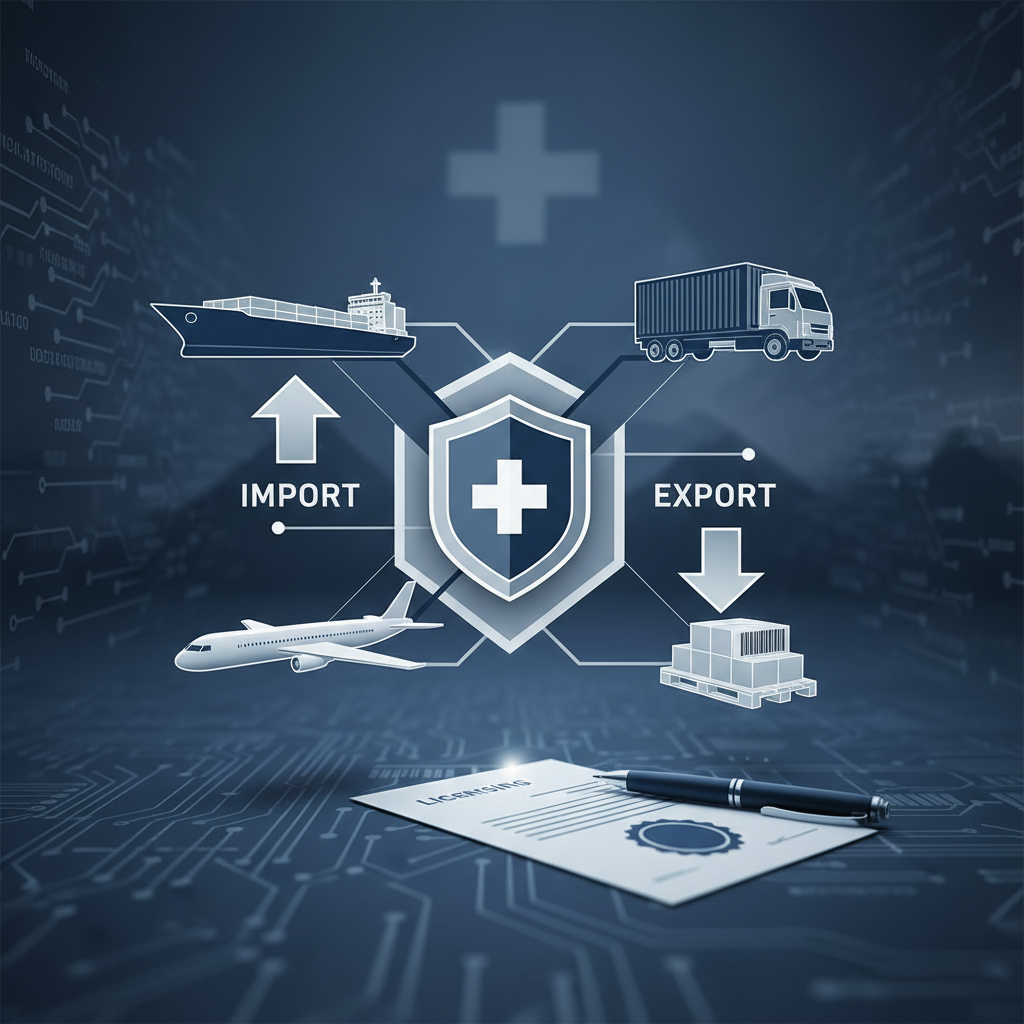
Zwitserland, ondanks dat het geen deel uitmaakt van de Europese Unie, heeft een sterk geïntegreerde en verfijnde handelsomgeving. De strategische ligging, stabiele economie en robuuste juridische kaders maken het een aantrekkelijke hub voor internationale handel. Bedrijven die goederen naar of vanuit Zwitserland willen importeren of exporteren, moeten echter een specifiek stelsel van regels, vergunningen en procedures doorlopen om naleving te waarborgen. Hoewel Zwitserland over het algemeen vrije handel bevordert, zijn bepaalde goederen onderworpen aan strikte controles om veiligheids-, beveiligings-, milieu-, gezondheids- of strategische redenen. Het begrijpen van deze vereisten is essentieel om vertragingen en boetes te voorkomen en een soepele douaneafhandeling te garanderen.
Deze gids biedt een praktisch overzicht voor ondernemers en zakelijke professionals van de essentiële aspecten van invoer- en uitvoervergunningen in Zwitserland. We behandelen het regelgevend landschap, identificeren veelvoorkomende typen gecontroleerde goederen, schetsen de aanvraagprocedures en bieden praktische inzichten om conforme en efficiënte grensoverschrijdende handel te bevorderen.
Key Regulatory Bodies and Legal Framework
The primary authority responsible for customs and trade regulations in Switzerland is the Federal Customs Administration (FCA), now integrated into the Federal Office for Customs and Border Security (FOCBS). The FOCBS oversees the application of customs laws, collects duties and taxes, and enforces import and export restrictions. Several other federal offices and agencies also play crucial roles depending on the nature of the goods:
- State Secretariat for Economic Affairs (SECO): Responsible for export controls on dual-use goods, military goods, and sanctions implementation.
- Federal Office of Public Health (FOPH): Regulates pharmaceuticals, medical devices, and certain food products.
- Federal Office for Agriculture (FOAG): Oversees the import and export of agricultural products.
- Federal Office for the Environment (FOEN): Manages regulations concerning hazardous waste and endangered species.
Switzerland's legal framework for trade is primarily based on the Customs Act, the Foreign Trade Act, and numerous ordinances that specify detailed requirements for various product categories. Switzerland's extensive network of free trade agreements (FTAs), including the one with the EU, also significantly impacts import and export procedures, often leading to reduced or eliminated customs duties, provided rules of origin are met.
General Principles of Swiss Trade
While specific licenses are required for controlled goods, it's important to note that many goods can be imported or exported without a special license, provided they meet general customs requirements, such as proper declaration, payment of duties and VAT, and adherence to product safety standards. The principle of 'free movement of goods' is a cornerstone, but it is always subject to public interest exceptions. Bedrijven