Navigeren in fintech en digitaal bankieren voor bedrijven in Duitsland: een uitgebreide gids
Dit artikel onderzoekt het snelgroeiende landschap van fintech en digitale bankopties voor bedrijven die in Duitsland actief zijn. Het biedt praktische inzichten in de regelgevende omgeving, belangrijke spelers en de voordelen die deze moderne financiële oplossingen bieden voor operationele efficiëntie en groei.
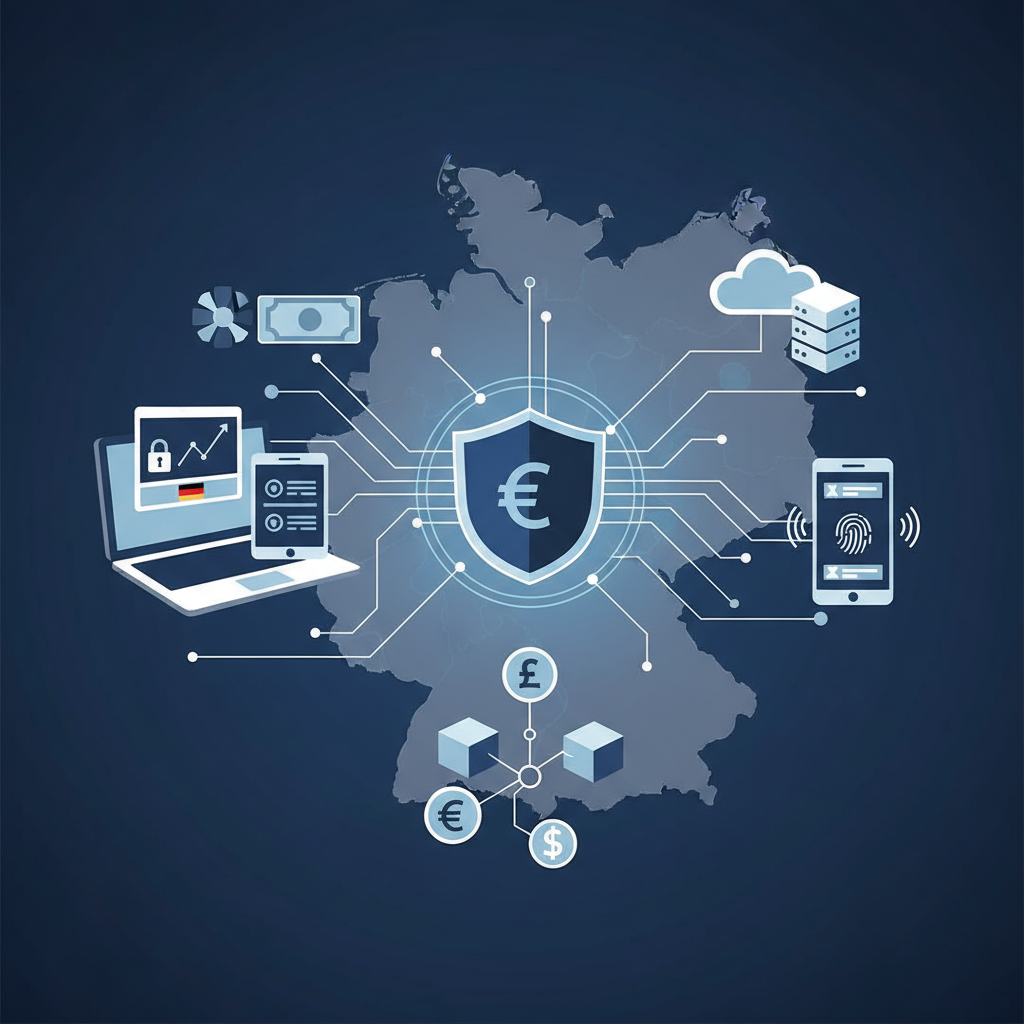
Germany, a powerhouse of European industry and innovation, has witnessed a significant transformation in its financial services sector, driven by the rapid ascent of fintech and digital banking. For businesses, from startups to established enterprises, understanding and leveraging these modern financial tools is no longer a luxury but a strategic imperative. This comprehensive guide delves into the opportunities, challenges, and practical considerations for businesses seeking to embrace fintech and digital banking in Germany.
De opkomst van digitaal bankieren in Duitsland
The German banking landscape has traditionally been dominated by established commercial banks and a strong network of public savings banks (Sparkassen) and cooperative banks (Volksbanken Raiffeisenbanken). While these institutions still hold significant market share, the past decade has seen the emergence of agile, technology-driven challengers. Digital banks, often operating without physical branches, offer streamlined processes, lower fees, and innovative features tailored to the modern business environment. They leverage advanced technologies like artificial intelligence (AI), machine learning (ML), and blockchain to provide services ranging from instant account opening and real-time transaction monitoring to integrated accounting solutions and flexible financing options.
For businesses, the appeal of digital banking lies in its efficiency and accessibility. Traditional banking processes can often be cumbersome and time-consuming, particularly for international transactions or complex financial operations. Digital banks, on the other hand, offer 24/7 access, intuitive online platforms, and mobile applications, enabling businesses to manage their finances anytime, anywhere. This agility is particularly beneficial for small and medium-sized enterprises (SMEs) and startups that require flexible and scalable financial solutions to support their growth.
Key features often provided by digital banks include multi-currency accounts, virtual debit cards, API integrations for seamless connection with other business software (e.g., ERP systems, accounting platforms), and advanced analytics to provide insights into spending patterns and cash flow. Some digital banks also specialize in specific niches, such as international payments or e-commerce solutions, offering highly tailored services to businesses with particular needs.
Regelgevend landschap en naleving
Operating within the German financial sector, whether as a traditional bank or a fintech company, requires strict adherence to a robust regulatory framework. The primary regulatory body is the Bundesanstalt für Finanzdienstleistungsaufsicht (BaFin), the Federal Financial Supervisory Authority. BaFin oversees all financial services providers in Germany, ensuring market stability, consumer protection, and compliance with national and European Union (EU) regulations.
For fintechs, obtaining a banking license from BaFin can be a