Navigeren door vereisten voor beroepsvergunningen voor bedrijven in Nederland
Inzicht in beroepsvergunningen in Nederland is cruciaal voor ondernemers en bedrijven die hun activiteiten willen vestigen of uitbreiden. Dit artikel biedt een uitgebreide gids over het regelgevingslandschap, waarin de belangrijkste vereisten, procedures en overwegingen voor verschillende sectoren worden uiteengezet.
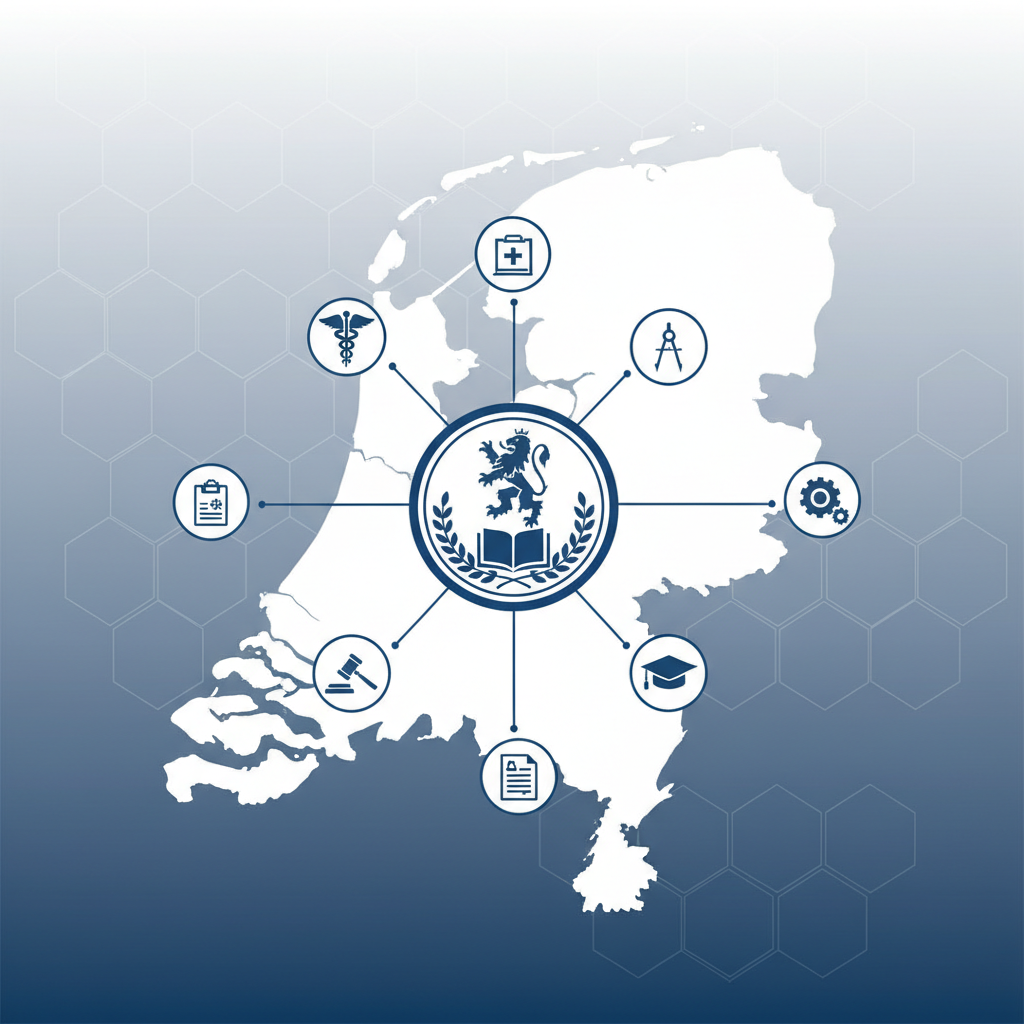
Navigating Professional Licensing Requirements for Businesses in the Netherlands
De Netherlands, renowned for its stable economy, strategic location, and business-friendly environment, attracts a significant number of international entrepreneurs and companies. However, establishing and operating a business in this jurisdiction necessitates a thorough understanding of its regulatory framework, particularly concerning professional licensing. Professional licenses are often a prerequisite for engaging in certain regulated activities, ensuring that services are delivered by qualified individuals or entities, thereby safeguarding public interest, health, and safety. Navigating these requirements can be complex, involving various governmental bodies and specific industry standards. This comprehensive guide aims to demystify the professional licensing landscape in the Netherlands, offering practical insights for businesses and professionals.
Understanding the Dutch Regulatory Landscape for Professional Licensing
The Dutch regulatory system for professional licensing is largely decentralized, with different ministries, professional organizations, and supervisory bodies responsible for specific sectors. The overarching principle is to ensure competence, ethical conduct, and consumer protection. While some professions are regulated by national laws, others might fall under European Union directives, which are then transposed into Dutch legislation. For foreign professionals, the recognition of their qualifications is a critical first step, often managed by the Dutch organization for internationalization in education (Nuffic) or specific professional bodies.
Key Regulatory Bodies and Frameworks
Several key institutions play a role in professional licensing. The Ministry of Health, Welfare and Sport (VWS) oversees healthcare professions, while the Ministry of Education, Culture and Science (OCW) is responsible for educational qualifications. Financial services are regulated by the Dutch Authority for the Financial Markets (AFM) and De Nederlandsche Bank (DNB). Furthermore, many professions have their own independent professional associations (e.g., the Dutch Bar Association for lawyers, the Royal Dutch Medical Association for doctors) that set standards, manage registration, and enforce ethical guidelines. The Business Register, maintained by the Chamber of Commerce (KVK), is also central, as many licenses require a KVK registration number.
For professions regulated by EU directives, the process often involves a recognition procedure based on mutual recognition principles. This means that qualifications obtained in another EU/EEA member state or Switzerland are generally recognized, provided they meet certain standards. However, compensatory measures, such as an adaptation period or an aptitude test, might be required if there are significant differences between the training received and the Dutch requirements.