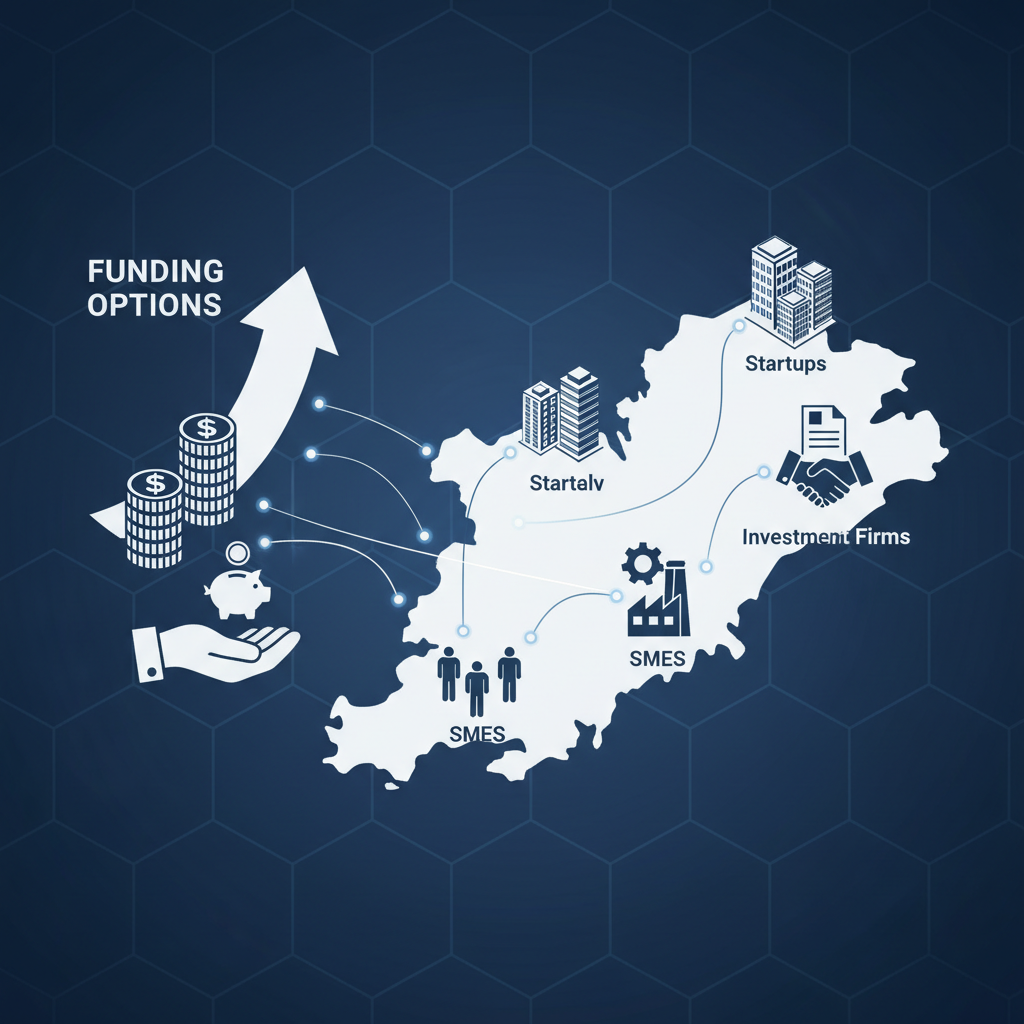
Å navigere i finansieringslandskapet: Essensielle alternativer for startups og SMB-er i Irland
Å sikre tilstrekkelig finansiering er en kritisk utfordring for startups og små og mellomstore bedrifter (SMB-er) i Irland. Denne omfattende artikkelen utforsker de forskjellige finansieringsmulighetene som er tilgjengelige, fra tradisjonelle banklån til innovative egenkapital- og tilskuddsordninger, og gir praktiske innsikter for entreprenører som ønsker å drive vekst.
Navigating the Funding Landscape: Essential Options for Startups and SMEs in Ireland
Ireland's vibrant entrepreneurial ecosystem, coupled with its strategic location and pro-business environment, makes it an attractive hub for startups and SMEs. However, a common hurdle for many aspiring and established businesses is securing the necessary capital to launch, grow, and innovate. Understanding the diverse funding options available and how to access them is paramount for success. This article delves into the various funding avenues, offering practical guidance for Irish businesses.
Traditional Debt Financing: Bank Loans and Overdrafts
Traditional bank financing remains a cornerstone for many Irish SMEs, particularly those with established trading histories and demonstrable cash flow. Irish banks, including AIB, Bank of Ireland, and Ulster Bank (though Ulster Bank is exiting the market, its existing loan book and processes still influence the landscape), offer a range of products tailored for businesses.
Term Loans
Term loans are perhaps the most common form of bank financing. These are typically provided for a fixed period, with regular repayments of principal and interest. They are suitable for funding specific capital expenditures, such as purchasing equipment, expanding premises, or acquiring another business. Interest rates can be fixed or variable, and collateral is often required, which could include property, machinery, or even personal guarantees from directors. The application process usually involves submitting a detailed business plan, financial projections, and historical financial statements. Banks will assess the business's creditworthiness, repayment capacity, and the viability of the project being funded. Approval times can vary from a few weeks to several months, depending on the complexity of the application and the bank's internal processes.
Overdraft Facilities
Overdrafts provide a flexible short-term funding solution, allowing businesses to draw more money than they have in their current account, up to an agreed limit. This is particularly useful for managing working capital fluctuations, covering unexpected expenses, or bridging gaps in cash flow. While flexible, overdrafts typically carry higher interest rates than term loans and are not suitable for long-term financing needs. Banks usually review overdraft facilities annually, and their availability is often tied to the business's overall banking relationship and financial health.
Invoice Finance (Factoring and Discounting)
Invoice finance allows businesses to unlock cash tied up in unpaid invoices. Factoring involves selling your invoices to a third-party finance provider at a discount. The provider then takes on the responsibility of collecting the debt. Invoice discounting is similar, but the business retains control over its sales ledger and debt collection. These options are particularly beneficial for businesses with long payment terms from kunder