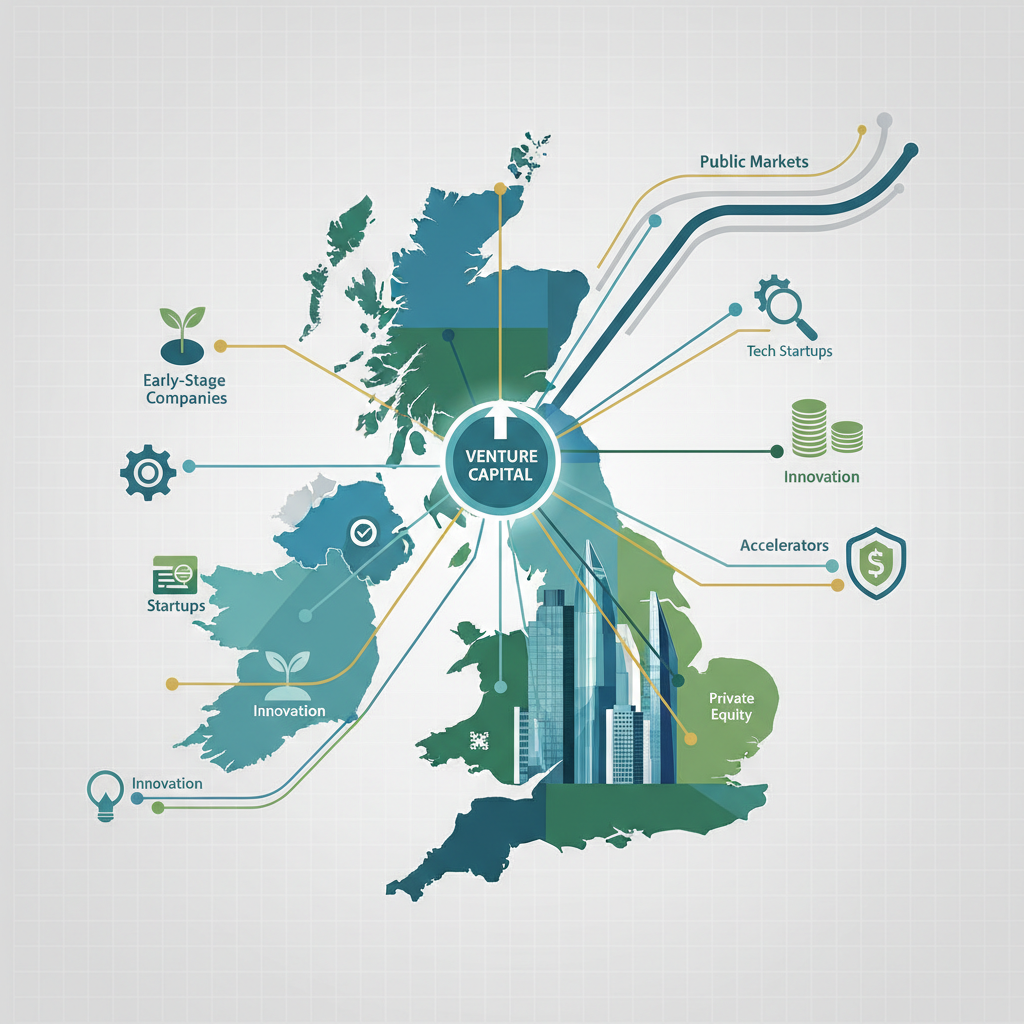
Åpne en bedriftsbankkonto i Storbritannia: En omfattende trinn-for-trinn guide for bedrifter
Å navigere prosessen med å åpne en bedriftsbankkonto i Storbritannia kan være kompleks, spesielt for internasjonale virksomheter. Denne guiden gir en detaljert, trinnvis gjennomgang, og dekker nødvendige krav, regulatoriske hensyn og praktiske råd for å effektivisere søknadsprosessen for ditt selskap registrert i Storbritannia.
Opening a Corporate Bank Account in the UK: A Comprehensive Step-by-Step Guide for Businesses
Establishing a corporate bank account in the United Kingdom is a fundamental step for any business, whether it's a newly formed local entity or an international company expanding its operations. This account is crucial for managing finances, processing transactions, paying employees, and ensuring compliance with UK financial regulations. While the process may seem straightforward, it involves navigating various regulatory requirements, particularly those related to Anti-Money Laundering (AML) and Know Your Customer (KYC) protocols. This guide aims to demystify the process, offering practical insights and a step-by-step approach for entrepreneurs and business professionals.
Understanding the UK Banking Landscape and Regulatory Environment
The UK boasts a robust and diverse banking sector, offering a wide array of services tailored to businesses of all sizes, from startups and SMEs to large corporations. Key players include high-street banks like Barclays, Lloyds, HSBC, NatWest, and Santander, alongside challenger banks such such as Revolut Business, Starling Bank, and Monzo Business, which often provide more agile, digitally-focused solutions. Each bank has its own specific criteria and onboarding procedures, but all operate under the stringent regulatory framework set by the Financial Conduct Authority (FCA) and the Prudential Regulation Authority (PRA).
Key Regulatory Considerations
Anti-Money Laundering (AML) and Know Your Customer (KYC): These regulations are at the forefront of the banking application process. Banks are legally obliged to verify the identity of their customers and understand the nature of their business to prevent financial crime. This means applicants will need to provide extensive documentation regarding the company's structure, ownership, and the identities of all directors and significant shareholders.
Proof of Business Activity: Banks will typically require evidence that the company is genuinely operational or has a clear business plan. This can include contracts, invoices, a detailed business plan, or a website.
UK Presence: While not always a strict legal requirement for all account types, many traditional banks prefer or require at least one director or signatory to be a UK resident. Challenger banks, however, are often more flexible in this regard, catering to non-resident directors.
Step-by-Step Process for Opening a Corporate Bank Account
Step 1: Company Formation and Registration
Before approaching any bank, your company must be legally registered in the UK. This typically means registering with Companies House as a Limited Company (Ltd), Limited Liability Partnership (LLP), or other legal entity. You will need your Certificate of Incorporation and Memorandum and Articles of Association. For branches of overseas companies, registration with Companies House as an overseas company is re