
Jak zarejestrować firmę na Mauritiusie: kompletny przewodnik krok po kroku dla globalnych przedsiębiorców
Mauritius wyłonił się jako czołowa jurysdykcja dla biznesu międzynarodowego, oferując stabilne środowisko polityczne, solidne ramy prawne oraz atrakcyjne zachęty podatkowe. Ten kompleksowy przewodnik przedstawia krok po kroku proces rejestracji spółki na Mauritiusie, obejmując wszystko od struktur prawnych po wymagania dotyczące zgodności i bieżące obowiązki. Przedsiębiorcy, którzy chcą założyć działalność w tej dynamicznej wyspiarskiej jurysdykcji, znajdą praktyczne wskazówki i konkretne porady
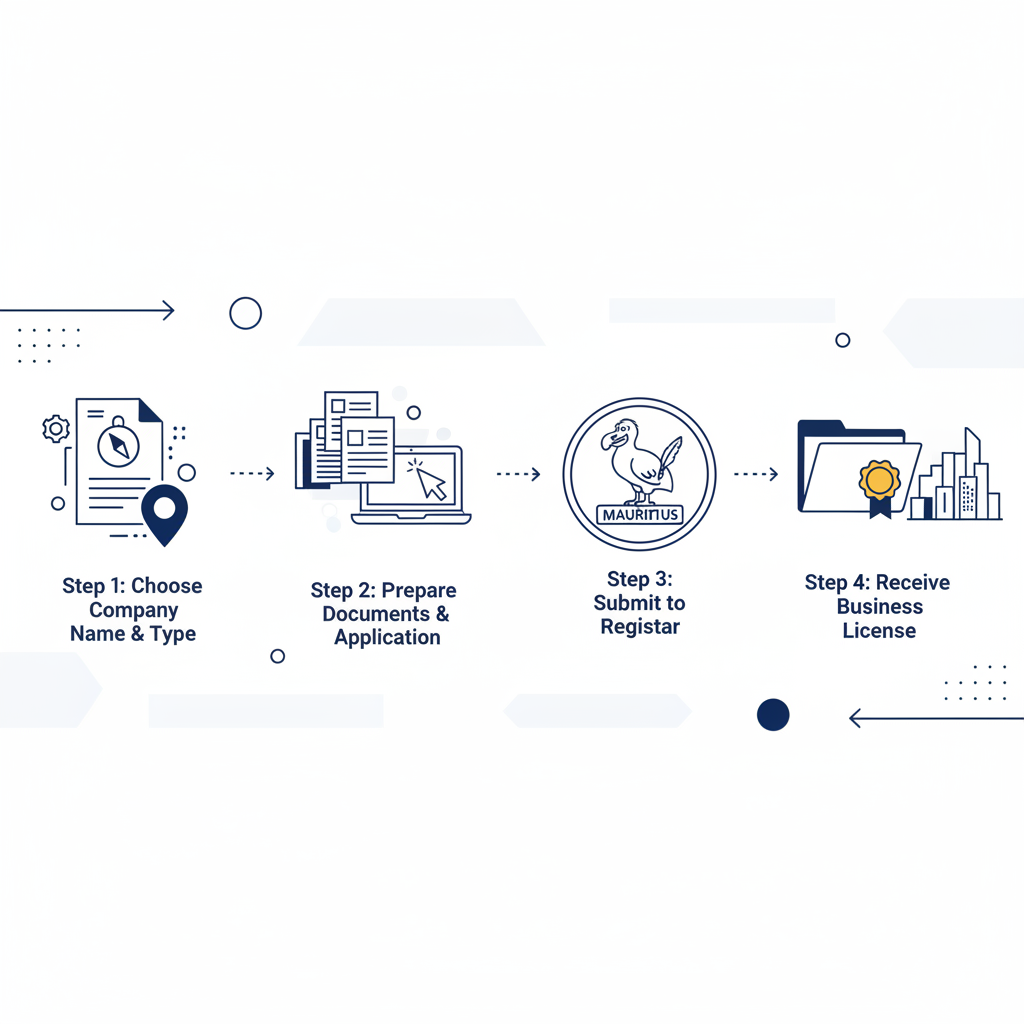
How to Register a Company in Mauritius: A Complete Step-by-Step Guide for Global Entrepreneurs
Mauritius, an island nation in the Indian Ocean, has meticulously cultivated its reputation as a leading international financial centre and an attractive jurisdiction for company formation. Its strategic location, stable political and economic environment, well-regulated financial services sector, and a network of Double Taxation Avoidance Agreements (DTAAs) make it a compelling choice for entrepreneurs and multinational corporations seeking to establish a global presence. Registering a company in Mauritius offers access to African markets, a favourable tax regime, and a sophisticated legal system based on both English common law and French civil law. This guide provides a detailed, step-by-step overview of the process, designed to equip prospective business owners with the knowledge required for successful incorporation.
Understanding Company Structures in Mauritius
Before embarking on the registration process, it is crucial to understand the various legal structures available in Mauritius, as the choice will significantly impact operational flexibility, regulatory compliance, and tax obligations. The most common types of companies registered in Mauritius include:
1. Global Business Company (GBC)
Previously known as Global Business Category 1 (GBC1), the GBC is designed for companies undertaking business primarily outside Mauritius. To qualify as a GBC, a company must demonstrate 'substance' in Mauritius, meaning it must be managed and controlled from the island, have a certain level of expenditure, and employ a number of qualified staff locally. GBCs benefit from Mauritius's extensive DTAA network, making them ideal for international investment, holding structures, and cross-border trade. They are subject to a corporate tax rate of 15%, but partial exemptions can reduce the effective rate significantly for certain income streams.
2. Authorised Company (AC)
An Authorised Company (formerly Global Business Category 2 or GBC2) is a company whose core business activities and control are outside Mauritius. Unlike a GBC, an AC does not benefit from Mauritius's DTAA network and is treated as a non-resident for tax purposes, meaning it is exempt from corporate tax in Mauritius. ACs are typically used for asset holding, international trading, and consultancy services where DTAA benefits are not a primary concern. They are required to file an annual return and maintain accounting records.
3. Domestic Company
A domestic company is primarily engaged in business activities within Mauritius. These companies are fully subject to Mauritian tax laws and regulations, including a corporate tax rate of 15% on their chargeable income. They are suitable for businesses targeting the local Mauritian market or those with significant local operations.
4. Limited by Shares (LBS)
This is the most common form of company, where the liability of share


