Licencjonowanie importu i eksportu w Panamie: Praktyczny przewodnik dla firm
Poruszanie się po zawiłościach związanych z licencjonowaniem importu i eksportu w Panamie wymaga jasnego zrozumienia lokalnych przepisów, procedur i kosztów. Ten kompleksowy przewodnik dostarcza przedsiębiorcom i specjalistom biznesowym praktycznych wskazówek dotyczących krajobrazu handlowego Panamy, zapewniając zgodność z przepisami i ułatwiając płynne operacje międzynarodowe.
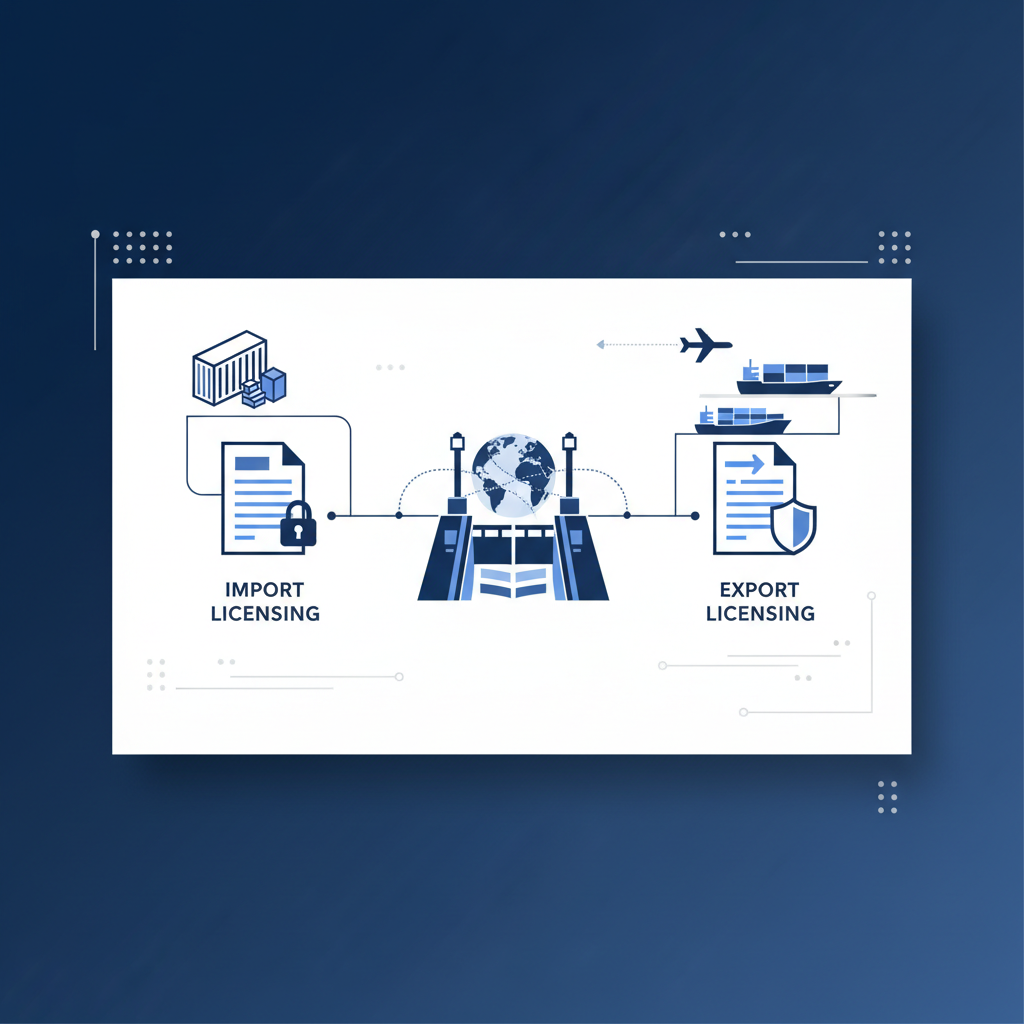
Import and Export Licensing in Panama: A Practical Guide for Businesses
Panama, with its strategic geographical location, the iconic Panama Canal, and a robust free trade zone system, stands as a pivotal hub for international trade in Latin America. For businesses looking to leverage this advantage, understanding the intricacies of import and export licensing is paramount. This guide provides a detailed overview, offering practical insights into the regulatory framework, necessary procedures, and key considerations for engaging in international trade through Panama.
Understanding Panama's Trade Landscape and Regulatory Framework
Panama's economy is heavily reliant on its logistics and services sectors, with trade playing a central role. The country operates under a relatively open trade policy, but like any sovereign nation, it has established regulations to control the flow of goods, ensure consumer safety, protect domestic industries, and collect customs duties. The primary regulatory bodies involved in import and export activities include the National Customs Authority (Autoridad Nacional de Aduanas - ANA), the Ministry of Commerce and Industries (Ministerio de Comercio e Industrias - MICI), and various other sector-specific ministries depending on the nature of the goods.
The regulatory framework is designed to streamline trade while maintaining control. Key legislation includes the Customs Law (Ley 30 de 1984, as amended) and various decrees and resolutions issued by MICI and ANA. Panama is also a member of the World Trade Organization (WTO) and has several free trade agreements (FTAs) in place, which can significantly impact duty rates and import/export procedures for goods originating from or destined for signatory countries. Businesses should always verify if their products qualify for preferential treatment under these agreements.
General Requirements for Importers and Exporters
Before engaging in any import or export activity, companies must be legally registered in Panama. This typically involves obtaining a commercial license (Aviso de Operación) from MICI and registering with the Public Registry. Additionally, all businesses involved in trade must register with the National Customs Authority and obtain a Taxpayer Identification Number (RUC - Registro Único de Contribuyente) from the Directorate General of Revenue (DGI).
For imports, a crucial step is the declaration of goods. This is done through a customs broker, who is legally mandated to process all import declarations in Panama. The customs broker acts as an intermediary, ensuring all documentation is correct, duties and taxes are paid, and goods clear customs efficiently. Similarly, for exports, while a customs broker is not always legally required, their expertise is invaluable in navigating destination country requirements and ensuring smooth logistics.
The Import Licensing Process in Panama
The import licensing process in Panama can vary significantly bas