Licencjonowanie importu i eksportu w Szwajcarii: Praktyczny przewodnik dla przedsiębiorstw
Poruszanie się w zawiłościach licencjonowania importu i eksportu w Szwajcarii jest kluczowe dla handlu międzynarodowego. Ten przewodnik przedstawia kompleksowy przegląd przepisów, procedur i kluczowych kwestii dla przedsiębiorstw prowadzących handel transgraniczny z Szwajcarią lub do Szwajcarii, zapewniając zgodność i efektywność operacyjną.
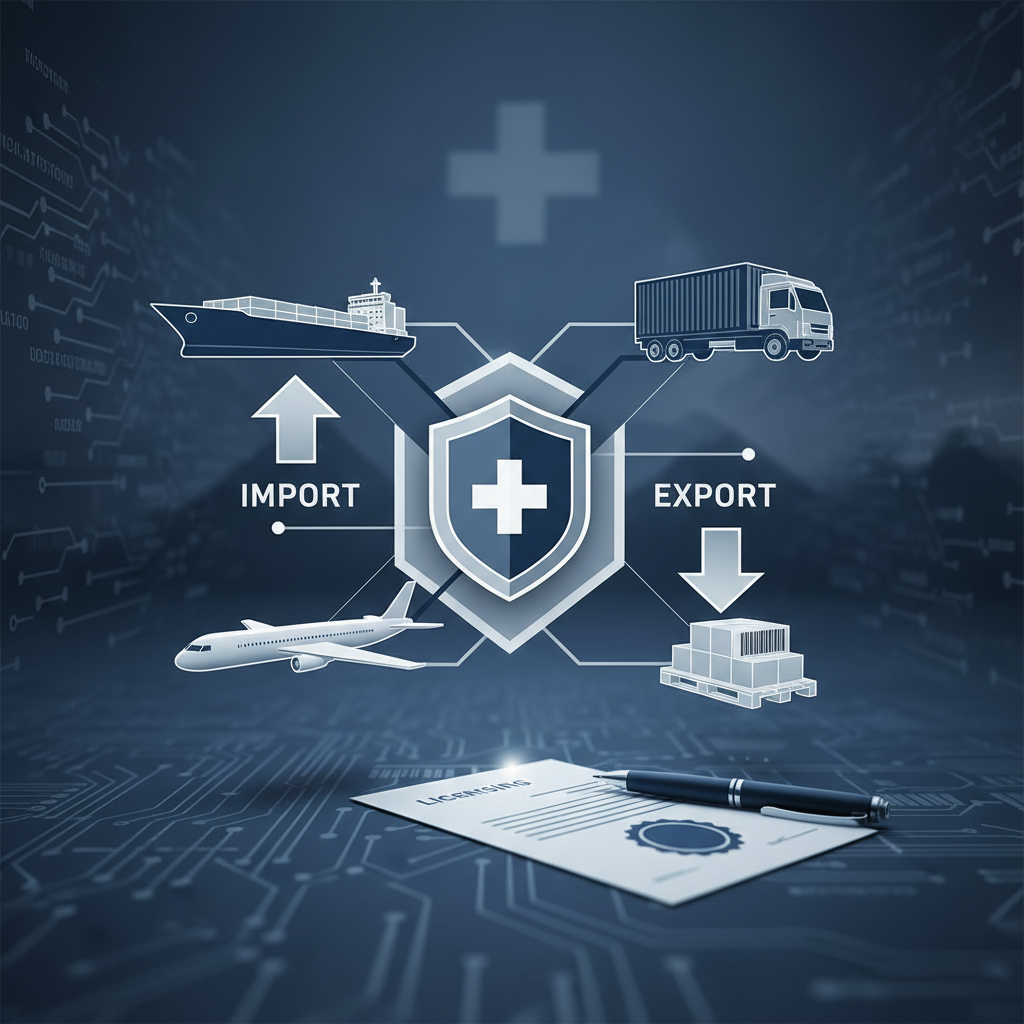
Introduction to Swiss Import and Export Regulations
Switzerland, despite not being part of the European Union, maintains a highly integrated and sophisticated trade environment. Its strategic location, stable economy, and robust legal framework make it an attractive hub for international trade. However, businesses looking to import or export goods to or from Switzerland must navigate a specific set of regulations, licenses, and procedures to ensure compliance. While Switzerland generally promotes free trade, certain goods are subject to strict controls due to safety, security, environmental, health, or strategic reasons. Understanding these requirements is paramount for avoiding delays, penalties, and ensuring smooth customs clearance.
This guide provides a practical overview for entrepreneurs and business professionals on the essential aspects of import and export licensing in Switzerland. We will delve into the regulatory landscape, identify common types of controlled goods, outline the application processes, and offer actionable insights to facilitate compliant and efficient cross-border trade.
Key Regulatory Bodies and Legal Framework
The primary authority responsible for customs and trade regulations in Switzerland is the Federal Customs Administration (FCA), now integrated into the Federal Office for Customs and Border Security (FOCBS). The FOCBS oversees the application of customs laws, collects duties and taxes, and enforces import and export restrictions. Several other federal offices and agencies also play crucial roles depending on the nature of the goods:
- State Secretariat for Economic Affairs (SECO): Responsible for export controls on dual-use goods, military goods, and sanctions implementation.
- Federal Office of Public Health (FOPH): Regulates pharmaceuticals, medical devices, and certain food products.
- Federal Office for Agriculture (FOAG): Oversees the import and export of agricultural products.
- Federal Office for the Environment (FOEN): Manages regulations concerning hazardous waste and endangered species.
Switzerland's legal framework for trade is primarily based on the Customs Act, the Foreign Trade Act, and numerous ordinances that specify detailed requirements for various product categories. Switzerland's extensive network of free trade agreements (FTAs), including the one with the EU, also significantly impacts import and export procedures, often leading to reduced or eliminated customs duties, provided rules of origin are met.
General Principles of Swiss Trade
While specific licenses are required for controlled goods, it's important to note that many goods can be imported or exported without a special license, provided they meet general customs requirements, such as proper declaration, payment of duties and VAT, and adherence to product safety standards. The principle of 'free movement of goods' is a cornerstone, but it is always subject to public interest exceptions. Przedsiębiorstwa