Poruszanie się po rocznych wymaganiach rachunkowości i audytu dla firm z USA
Zrozumienie złożonego krajobrazu rocznych wymagań rachunkowości i audytu w Stanach Zjednoczonych jest kluczowe dla zgodności z przepisami i kondycji finansowej przedsiębiorstwa. Ten artykuł dostarcza kompleksowego przewodnika dla przedsiębiorców i profesjonalistów, szczegółowo opisując przepisy federalne i stanowowe, standardy sprawozdawcze oraz praktyczne wskazówki.
Navigating Annual Accounting & Audit Requirements for US Companies
The United States, with its diverse legal and regulatory framework, presents a multifaceted environment for businesses concerning annual accounting and audit requirements. Unlike some jurisdictions with a single national standard, the US system involves a blend of federal, state, and industry-specific regulations that can significantly impact a company's financial reporting obligations. For entrepreneurs and business professionals, a thorough understanding of these requirements is not merely about compliance; it's about fostering financial transparency, attracting investment, and maintaining operational integrity.
The Foundational Role of Accounting Standards
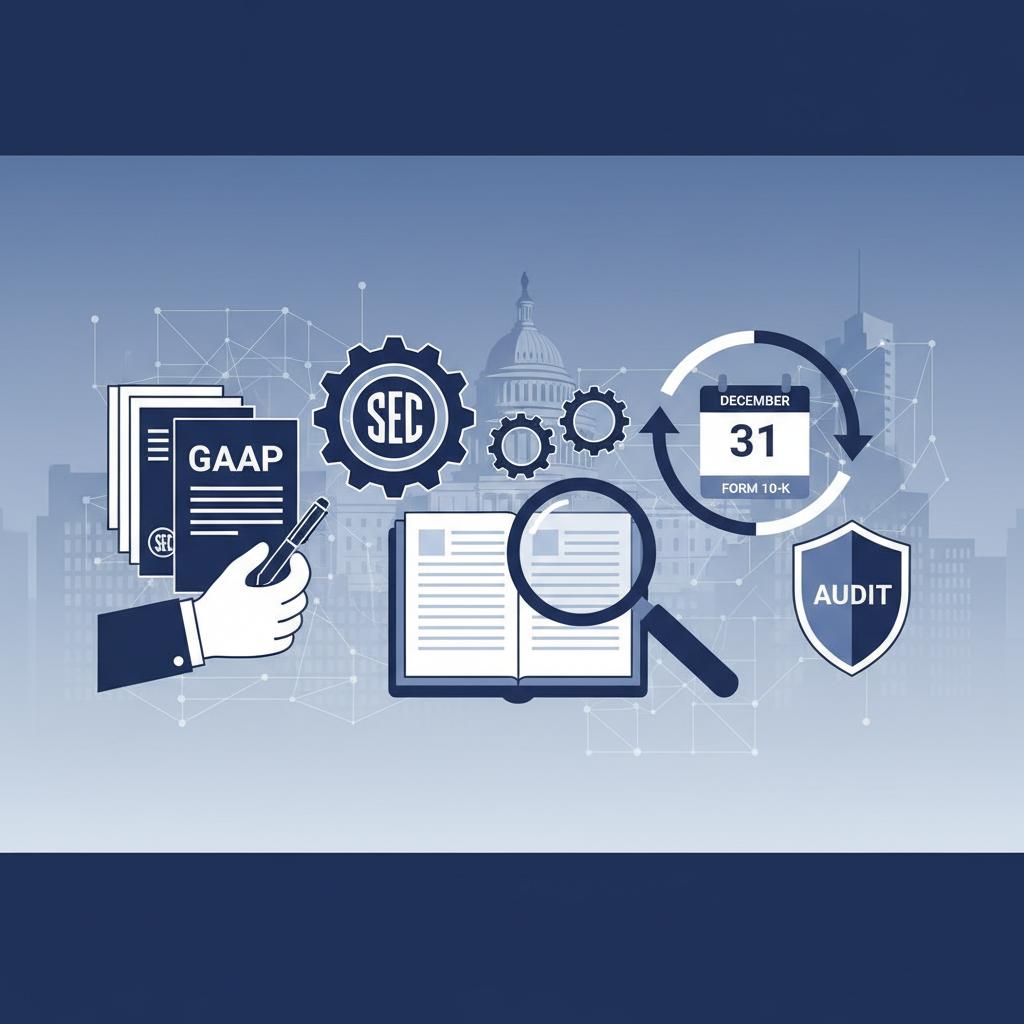
At the heart of US accounting practices are Generally Accepted Accounting Principles (GAAP). While not legally mandated for all private companies, GAAP is the bedrock for public companies and is widely adopted by private entities to ensure consistency, comparability, and reliability in financial reporting. GAAP dictates how financial transactions are recorded, summarized, and presented in financial statements, including the balance sheet, income statement, statement of cash flows, and statement of changes in equity.
For public companies, the Securities and Exchange Commission (SEC) plays a pivotal role. The SEC mandates that publicly traded companies adhere strictly to GAAP and file periodic reports, such as Form 10-K (annual report), Form 10-Q (quarterly report), and Form 8-K (current report), which are subject to rigorous audit by independent public accounting firms. These reports provide investors and the public with crucial financial and operational information.
Private companies, while not directly regulated by the SEC, often find it beneficial, if not necessary, to follow GAAP. Lenders, investors, and potential acquirers frequently require GAAP-compliant financial statements to assess a company's financial health and performance. Smaller businesses, however, may opt for cash-basis or modified cash-basis accounting, especially for tax purposes, though this can limit their ability to secure certain types of financing.
State-Specific Reporting and Compliance
Beyond federal mandates, each US state imposes its own set of annual reporting requirements, primarily for maintaining a company's good standing. These requirements vary significantly by state and business entity type (e.g., C-Corp, S-Corp, LLC). Common state-level filings include:
- Annual Reports/Statements of Information: Most states require businesses to file an annual or biennial report with the Secretary of State's office. This report typically updates information about the company's registered agent, principal office address, and sometimes its officers or directors. Failure to file can lead to administrative dissolution, fines, or loss of good standing, which can impact a company's ability to conduct business, secure loans, or even defen