Poruszanie się po wymaganiach i pozwoleniach dla biznesu e-commerce w Niderlandach: Kompleksowy przewodnik
Rozpoczęcie działalności e-commerce w Niderlandach oferuje znaczące możliwości, ale wymaga dogłębnego zrozumienia lokalnych przepisów. Ten przewodnik opisuje niezbędne wymagania prawne, podatkowe i operacyjne, zapewniając płynne i zgodne z przepisami wejście na rynek dla przedsiębiorców internetowych.
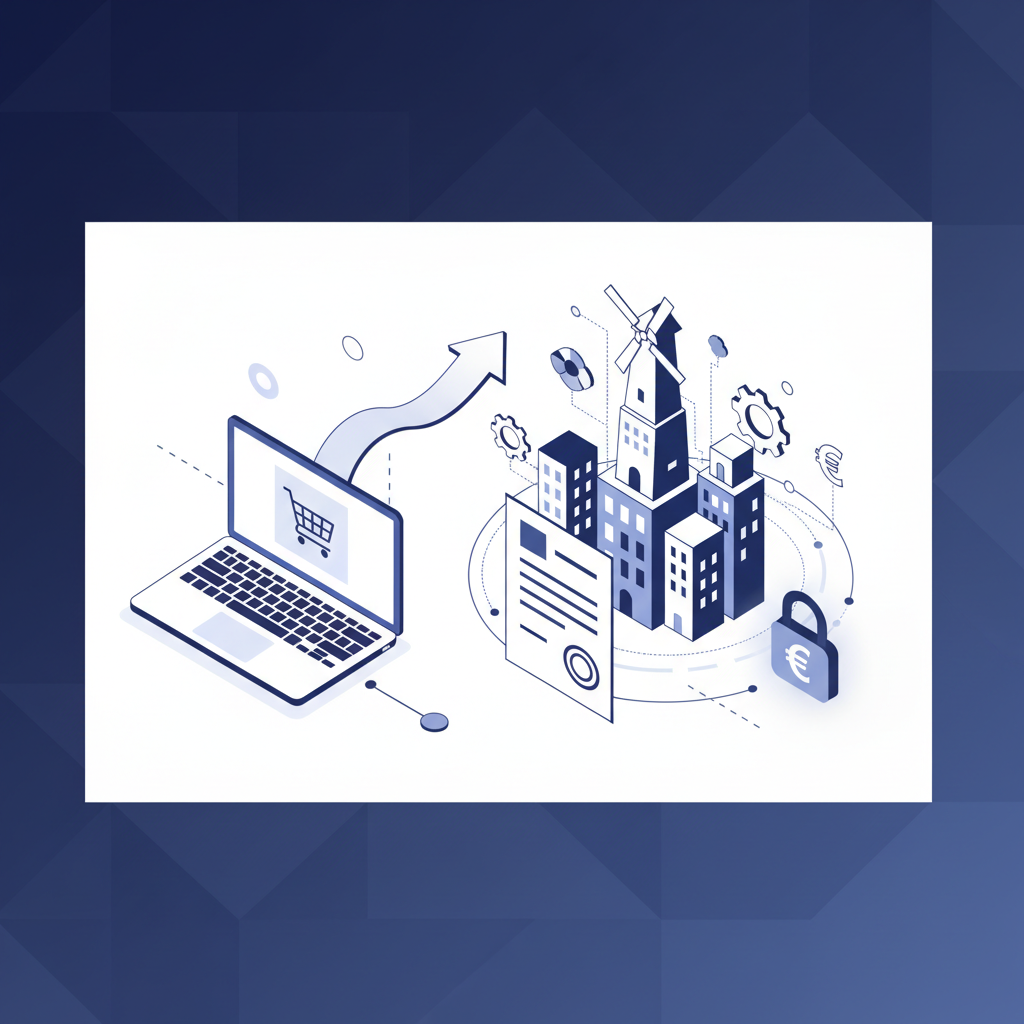
Niderlandy, z wysoko rozwiniętą infrastrukturą cyfrową, strategicznym położeniem i technologicznie zaawansowaną populacją, stanowią atrakcyjne środowisko dla firm e-commerce. Jednak założenie przedsięwzięcia online tutaj wymaga jasnego zrozumienia krajobrazu regulacyjnego, obejmującego rejestrację działalności, obowiązki podatkowe, przepisy ochrony konsumentów i ochronę danych. Niniejszy kompleksowy przewodnik ma na celu rozwianie wątpliwości dotyczących niezbędnych wymagań i pozwoleń dla operacji e-commerce w Niderlandach, dostarczając praktycznych wskazówek dla przedsiębiorców.
Understanding the Dutch E-Commerce Landscape
The Dutch e-commerce market is one of the most mature in Europe, characterized by high internet penetration, widespread use of online payment methods like iDEAL, and a strong consumer trust in online shopping. This robust environment, however, comes with stringent legal frameworks designed to protect consumers and ensure fair competition. Businesses looking to tap into this market must navigate national laws, EU directives, and specific industry regulations.
Legal Structure and Registration
The first step for any e-commerce business in the Netherlands is to choose an appropriate legal structure and register with the Dutch Chamber of Commerce (Kamer van Koophandel - KvK). Common legal forms for e-commerce include:
- Sole Proprietorship (Eenmanszaak): Simple to set up, minimal administrative burden, but the owner is personally liable for business debts.
- Private Limited Company (Besloten Vennootschap - BV): Offers limited liability, separating personal and business assets. Requires a notary for incorporation and has more extensive administrative obligations, but is often preferred for scaling businesses and attracting investment. The minimum share capital requirement for a BV is €0.01.
- General Partnership (Vennootschap onder Firma - VOF): Suitable for two or more partners, where each partner is personally liable for the partnership's debts.
Once the legal structure is chosen, registration with the KvK is mandatory. This involves submitting the necessary forms and identification. Upon registration, the KvK automatically informs the Dutch Tax Authorities (Belastingdienst), who will then issue a VAT number. The registration fee for the KvK is a one-time payment, typically around €50-€80, depending on the year.
Key Regulatory Compliance for E-Commerce
Operating an e-commerce business in the Netherlands involves adhering to several critical regulatory areas, primarily focused on consumer protection, data privacy, and fair trading practices.
Consumer Protection Laws
Dutch consumer protection laws are robust, largely derived from EU directives. Key aspects include:
- Right of Withdrawal (Herroepingsrecht): Consumers generally have a 14-day cooling-off period to return products purchased online without providing a reason. Businesses must clearly inform consumers about this right and provide a model withdrawal for