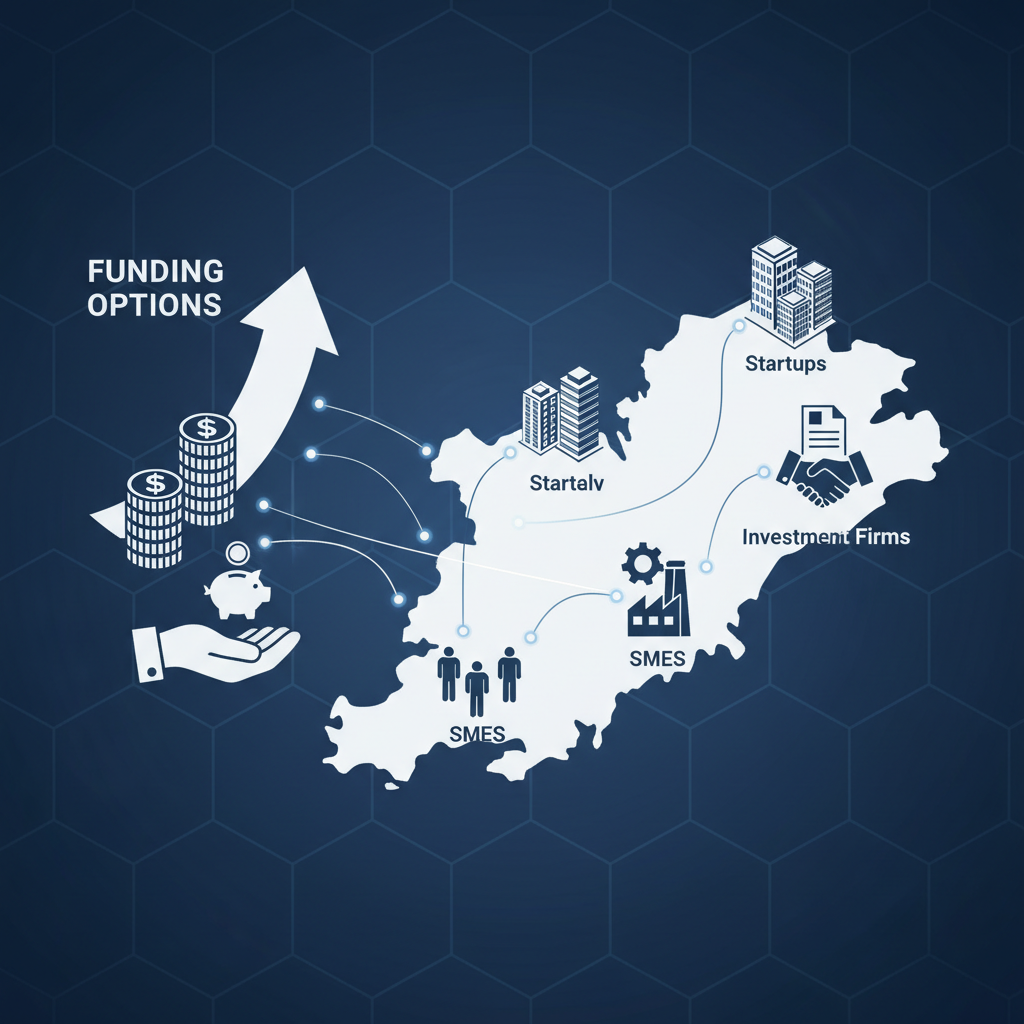
Poruszanie się po krajobrazie finansowania w Wielkiej Brytanii: opcje dla startupów i MŚP
Zapewnienie odpowiedniego finansowania to kluczowe wyzwanie dla startupów oraz Małych i Średnich Przedsiębiorstw (MŚP) w Wielkiej Brytanii. Ten kompleksowy przewodnik bada różnorodne ścieżki finansowania, od tradycyjnych kredytów bankowych po innowacyjne finansowanie kapitałowe, oferując praktyczne wskazówki dla przedsiębiorców.
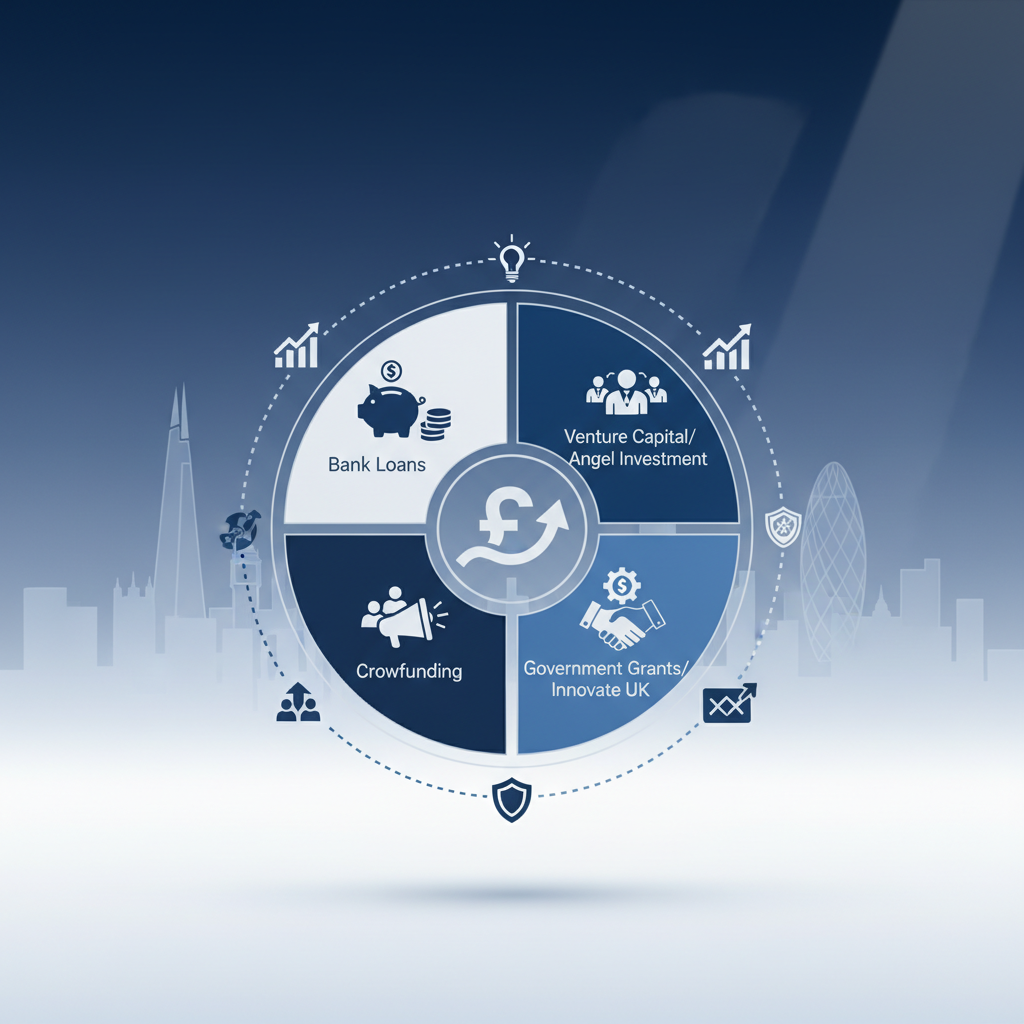
Navigating the UK Funding Landscape: Options for Startups and SMEs
The vibrant entrepreneurial ecosystem of the United Kingdom is a fertile ground for innovation and growth. However, a perennial challenge for both nascent startups and established Small and Medium-sized Enterprises (SMEs) remains securing the necessary capital to launch, scale, and sustain operations. The UK funding landscape is dynamic and multifaceted, offering a spectrum of options tailored to different stages of business development, risk profiles, and growth ambitions. Understanding these options, their associated regulations, processes, costs, and timelines is paramount for any business owner seeking to thrive in a competitive market.
Traditional Debt Financing: The Backbone of SME Funding
Traditional debt financing, primarily through banks, remains a cornerstone for many UK businesses. These options are generally well-understood and offer predictable repayment schedules, making them attractive for businesses with stable cash flows and tangible assets. However, they often require a strong credit history, a robust business plan, and sometimes personal guarantees.
Bank Loans and Overdrafts
Bank Loans: Available from high street banks and challenger banks, these typically come in various forms, including term loans, secured loans (against assets like property or machinery), and unsecured loans. Term loans offer a lump sum with fixed or variable interest rates and a set repayment period, usually ranging from 1 to 10 years. For secured loans, the interest rates are often lower due to reduced risk for the lender. Unsecured loans, while more flexible, often carry higher interest rates and smaller loan amounts.
Overdrafts: These provide a flexible short-term funding solution, allowing businesses to draw more money than they hold in their current account, up to an agreed limit. They are ideal for managing fluctuating cash flow but can be expensive if used for extended periods due to daily interest charges.
Key Considerations: Banks will typically assess a business's creditworthiness, financial projections, and collateral. The application process can take several weeks, requiring detailed financial statements, business plans, and sometimes personal financial information. Interest rates vary significantly based on the lender, loan type, and perceived risk. Regulatory oversight is primarily by the Financial Conduct Authority (FCA).
Asset Finance and Invoice Finance
Asset Finance: This category includes hire purchase and leasing agreements, allowing businesses to acquire essential equipment, vehicles, or machinery without a large upfront capital outlay. Hire purchase involves paying instalments over time and owning the asset at the end, while leasing provides usage rights without ownership. This is particularly useful for businesses needing significant capital expenditure but wishing to preserve working capital.
**Invoice Finance (Factoring i Disc