Руководство по запуску электронной коммерции: ориентирование на рынке Великобритании для успеха онлайн-бизнеса
Это всестороннее руководство предоставляет предпринимателям важные сведения о запуске и масштабировании бизнеса электронной коммерции в Великобритании. Оно охватывает ключевые аспекты — от юридических форм и соблюдения нормативных требований до обработки платежей, логистики и маркетинговых стратегий, обеспечивая прочную основу для успеха.
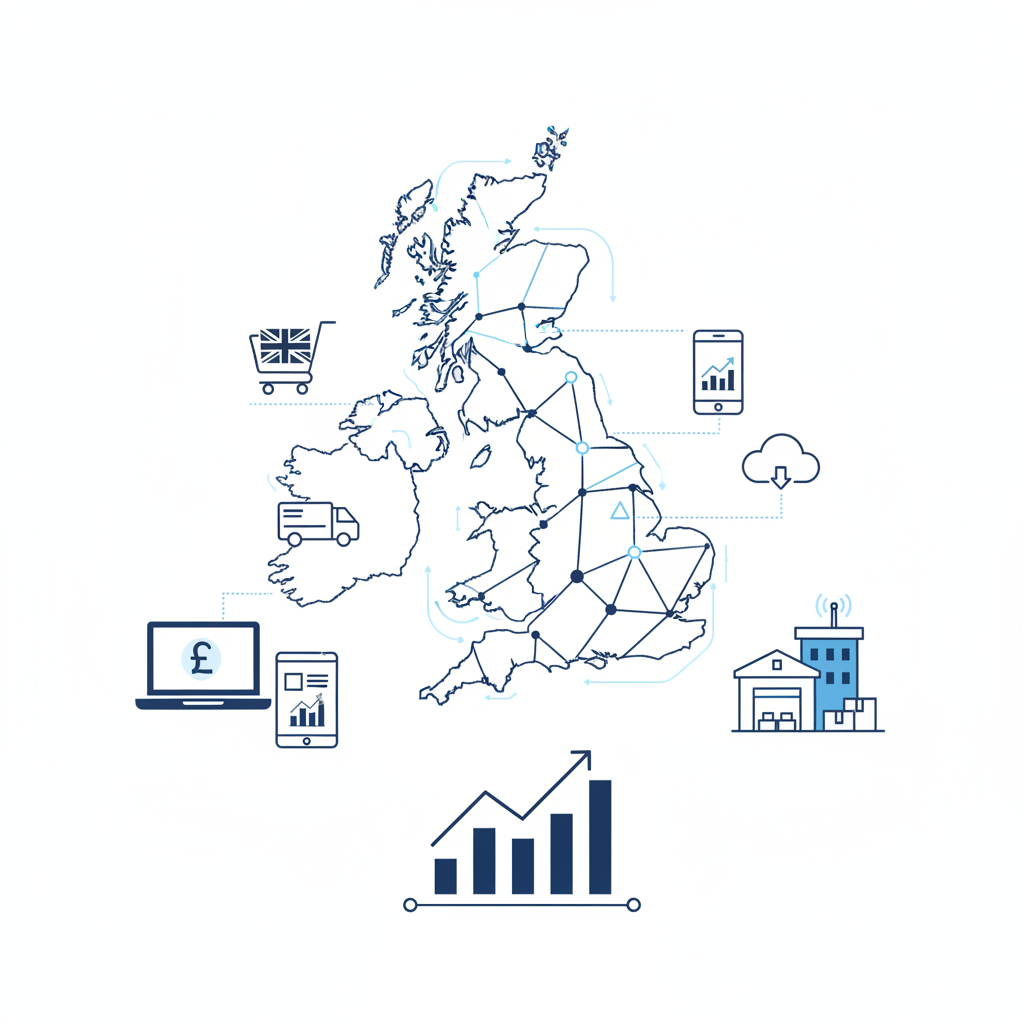
E-Commerce Startup Guide: Navigating the UK Market for Online Business Success
The United Kingdom presents a vibrant and mature e-commerce landscape, offering immense opportunities for entrepreneurs. With a digitally savvy population, robust infrastructure, and a clear legal framework, the UK is an attractive destination for online businesses. However, success hinges on a thorough understanding of local regulations, market dynamics, and consumer expectations. This guide provides a comprehensive overview for aspiring e-commerce entrepreneurs looking to establish and grow their ventures in the UK.
1. Laying the Foundation: Legal Structure and Business Registration
The first critical step for any e-commerce startup in the UK is establishing a legal structure and registering the business. The choice of legal entity significantly impacts liability, taxation, and administrative burden.
Choosing Your Legal Structure
- Sole Trader: This is the simplest and most common structure for small businesses. You are personally responsible for all business debts, and your business is not legally separate from you. Registration is straightforward, primarily involving informing HM Revenue & Customs (HMRC) that you are self-employed.
- Limited Company (Ltd): A limited company is a separate legal entity from its owners. This offers personal liability protection, meaning your personal assets are generally protected if the business incurs debts. It projects a more professional image and can be more tax-efficient for profitable businesses, but involves more administrative duties, including filing annual accounts and confirmation statements with Companies House.
- Partnership: Suitable for two or more people who want to run a business together. Partners share profits and are personally liable for the business's debts. A partnership agreement is highly recommended to define roles, responsibilities, and profit-sharing.
Business Registration Process
For a limited company, registration involves applying to Companies House. This typically costs around £12 for online registration and can be completed within 24 hours. You'll need to choose a unique company name, provide a registered office address in the UK, and appoint at least one director and shareholder. Once registered, you must register for Corporation Tax with HMRC within three months of starting to trade.
Sole traders and partnerships must register for Self Assessment with HMRC. This involves notifying HMRC that you are self-employed by 5 October following the end of the tax year in which you started trading. Failure to register can result in penalties.
2. Regulatory Compliance and Consumer Protection
The UK's e-commerce sector is governed by a robust framework of consumer protection and data privacy laws designed to build trust and ensure fair trading practices. Adherence to these regulations is non-negotiable.
Key Regulations to Consider
- **Consumer Contracts (Inform