Навигация по лицензированию импорта и экспорта в Дании: Полное руководство для бизнеса
Это всестороннее руководство предоставляет предпринимателям и специалистам по бизнесу практические сведения о требованиях к лицензированию импорта и экспорта в Дании. В нем рассматриваются ключевые правила, процедуры, затраты и сроки, обеспечивая плавный выход датских компаний на международную торговлю.
Navigating Import and Export Licensing in Denmark: A Comprehensive Business Guide
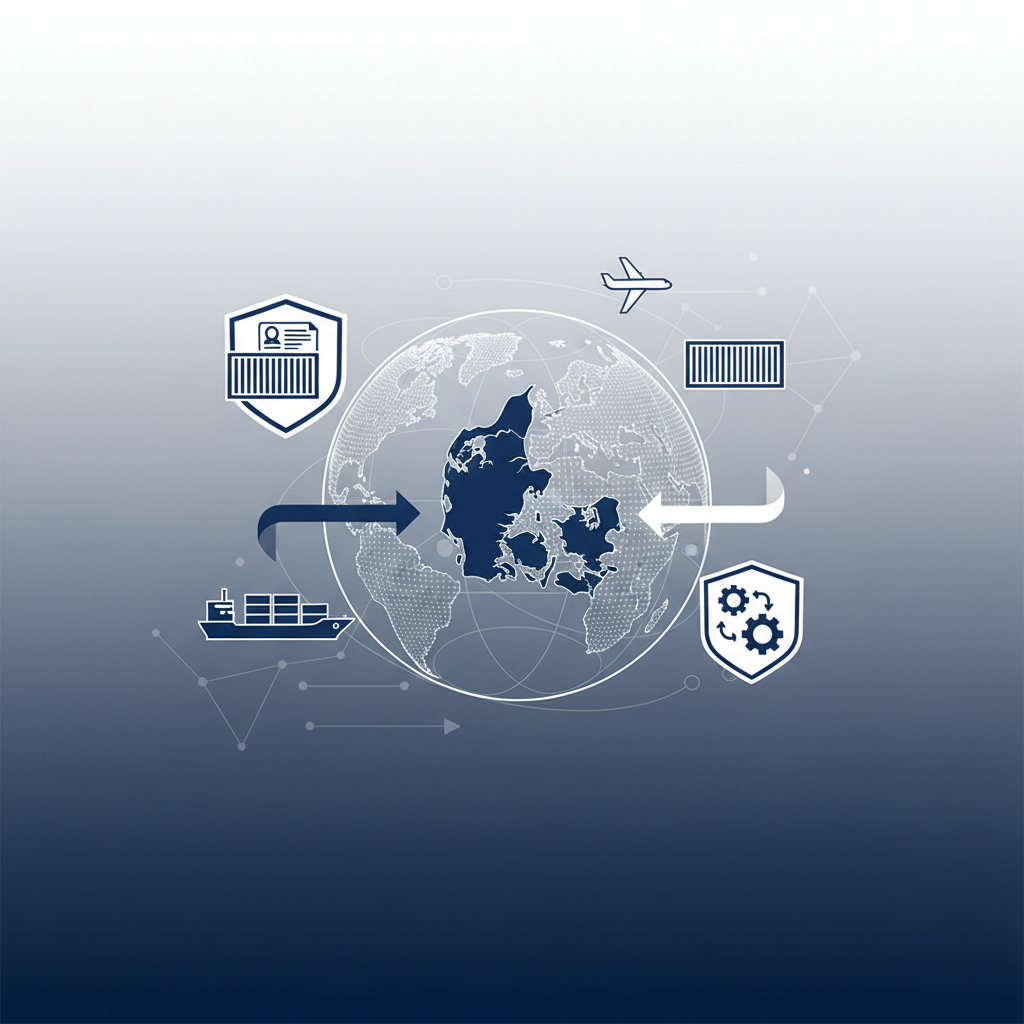
Denmark, a small yet highly globalised economy, offers significant opportunities for businesses engaged in international trade. Its strategic location, robust infrastructure, and membership in the European Union (EU) make it an attractive hub for import and export activities. However, navigating the regulatory landscape, particularly concerning licensing, is crucial for seamless operations. This guide provides a practical overview of import and export licensing in Denmark, designed for entrepreneurs and business professionals seeking to understand and comply with national and EU-level requirements.
Understanding the Danish and EU Regulatory Framework
Denmark's import and export regulations are primarily shaped by two layers of legislation: national Danish laws and overarching European Union (EU) directives and regulations. As an EU member state, Denmark adheres to the principles of the EU's single market, which generally allows for the free movement of goods, services, capital, and people among member states. This means that for trade within the EU, formal import and export licenses are rarely required for most goods. Instead, businesses must comply with VAT regulations and specific product standards.
However, trade with countries outside the EU (third countries) is subject to a more stringent set of rules, including customs duties, import VAT, and, crucially, potential licensing requirements. The Danish Customs Agency (Toldstyrelsen) is the primary authority responsible for enforcing customs legislation and managing import/export procedures. For specific goods, other Danish ministries and agencies, such as the Danish Medicines Agency (Lægemiddelstyrelsen) for pharmaceuticals or the Danish Environmental Protection Agency (Miljøstyrelsen) for certain chemicals, will also have regulatory oversight.
It is imperative for businesses to identify the correct Harmonised System (HS) code for their goods. This international classification system determines applicable tariffs, taxes, and any specific import or export restrictions or licensing requirements. Misclassifying goods can lead to significant delays, fines, and legal complications.
Key EU Regulations Affecting Danish Trade
Several key EU regulations directly impact Danish import and export licensing:
- Customs Code (Union Customs Code - UCC): This forms the legal basis for customs rules and procedures throughout the EU.
- Common Commercial Policy (CCP): The EU's CCP governs trade relations with non-EU countries, including import quotas, anti-dumping measures, and trade defence instruments.
- Dual-Use Regulations: These regulations control the export of goods, software, and technology that can be used for both civilian and military purposes. Denmark, like other EU members, strictly enforces these controls to prevent proliferation of weapons of mass destruction.
- **Санкции и