Навигация по обработке платежей в Нидерландах: комплексное руководство для бизнеса
Нидерланды, центр инноваций и международной торговли, предлагают разнообразные решения для обработки платежей для бизнеса. Эта статья подробно рассматривает доступные варианты, регуляторные аспекты и стратегические рекомендации по выбору оптимальной платежной инфраструктуры.
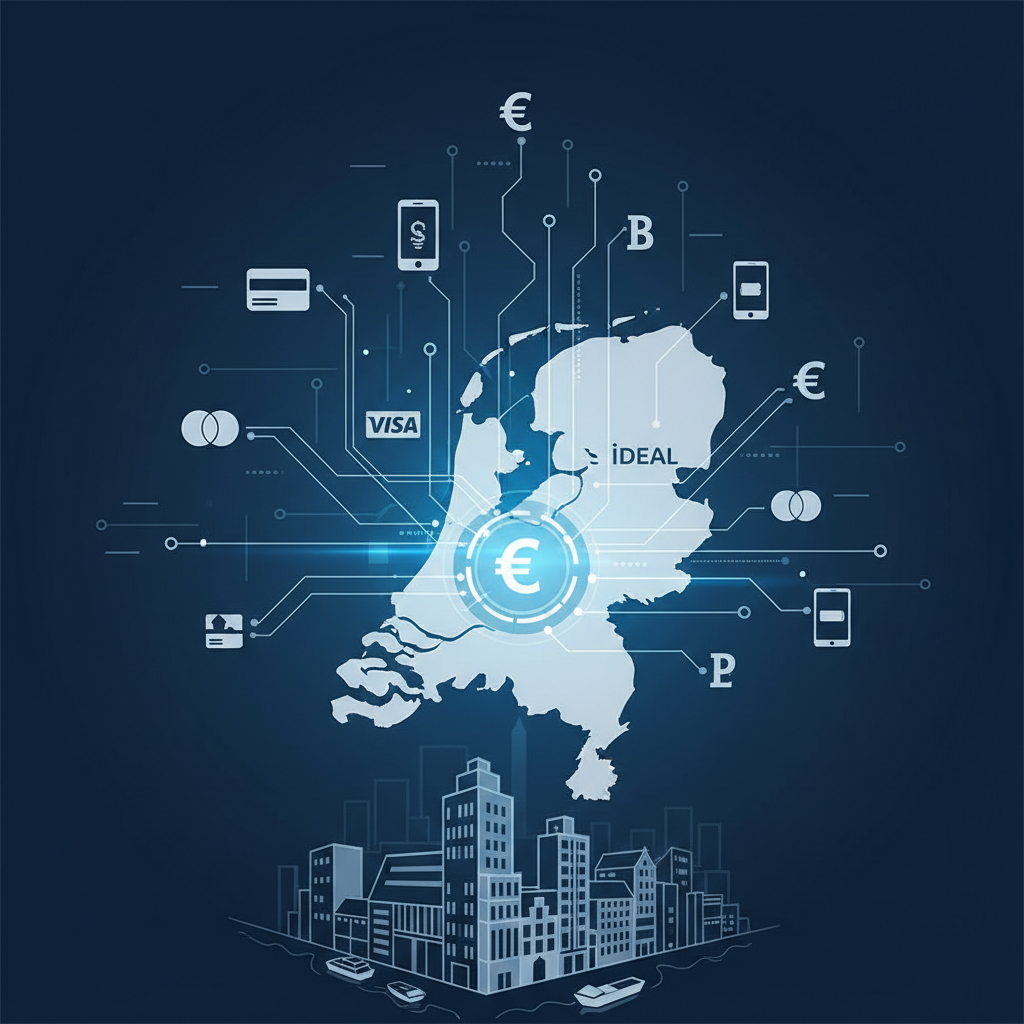
The Netherlands stands as a pivotal economic gateway in Europe, characterized by a highly digitalized society and a sophisticated financial infrastructure. For businesses operating or looking to expand into the Dutch market, understanding the intricacies of payment processing solutions is paramount. This guide delves into the various options available, regulatory frameworks, and key considerations for selecting the most effective payment strategy.
The Dutch Payment Landscape: An Overview
The Dutch payment ecosystem is renowned for its efficiency, security, and high adoption of digital payment methods. While traditional methods like bank transfers and debit cards remain prevalent, the rise of e-commerce and mobile payments has significantly diversified the options. Businesses must cater to both domestic preferences and international payment trends to capture the full market potential.
Key Payment Methods in the Netherlands
-
iDEAL: This is by far the most popular online payment method in the Netherlands, accounting for a significant majority of e-commerce transactions. iDEAL allows customers to pay directly from their bank accounts through their trusted online banking environment. It offers instant confirmation, high security, and low transaction costs for merchants. Integration with iDEAL is essential for any business targeting Dutch consumers.
-
Credit and Debit Cards (Maestro, Visa, MasterCard): While iDEAL dominates online, debit cards (primarily Maestro, soon to be replaced by V-Pay and Mastercard Debit) are widely used for in-store purchases. Credit cards like Visa and MasterCard are also accepted, particularly for international transactions and larger purchases, though their penetration is lower compared to some other European countries.
-
SEPA Bank Transfer: The Single Euro Payments Area (SEPA) enables efficient and standardized euro-denominated bank transfers across Europe. SEPA Credit Transfers (SCT) and SEPA Direct Debits (SDD) are crucial for business-to-business (B2B) transactions, recurring payments, and larger value transfers. They offer reliability and relatively low costs.
-
Digital Wallets (PayPal, Apple Pay, Google Pay): The adoption of digital wallets is steadily increasing, especially among younger demographics. PayPal remains a strong contender for online purchases, offering buyer protection and ease of use. Apple Pay and Google Pay are gaining traction for both online and in-store contactless payments, leveraging NFC technology.
-
Buy Now, Pay Later (BNPL) Services: Providers like Klarna and Afterpay are becoming increasingly popular, offering consumers flexibility to pay for purchases in installments or at a later date. Integrating BNPL options can significantly boost conversion rates, especially for higher-value goods.
Regulatory Framework and Compliance
Operating a payment processing solution in the Netherlands necessitates adherence to a robust regulatory framework, prima