
Ориентирование в датском деловом ландшафте: всестороннее руководство по типам юридических лиц
Дания предлагает разнообразие бизнес-структур, каждая из которых имеет уникальные юридические, финансовые и административные последствия. Понимание этих форм крайне важно для предпринимателей и международных компаний, желающих закрепиться в этой динамичной нордической экономике. Это руководство предлагает глубокий обзор основных типов юридических лиц, доступных в Дании.
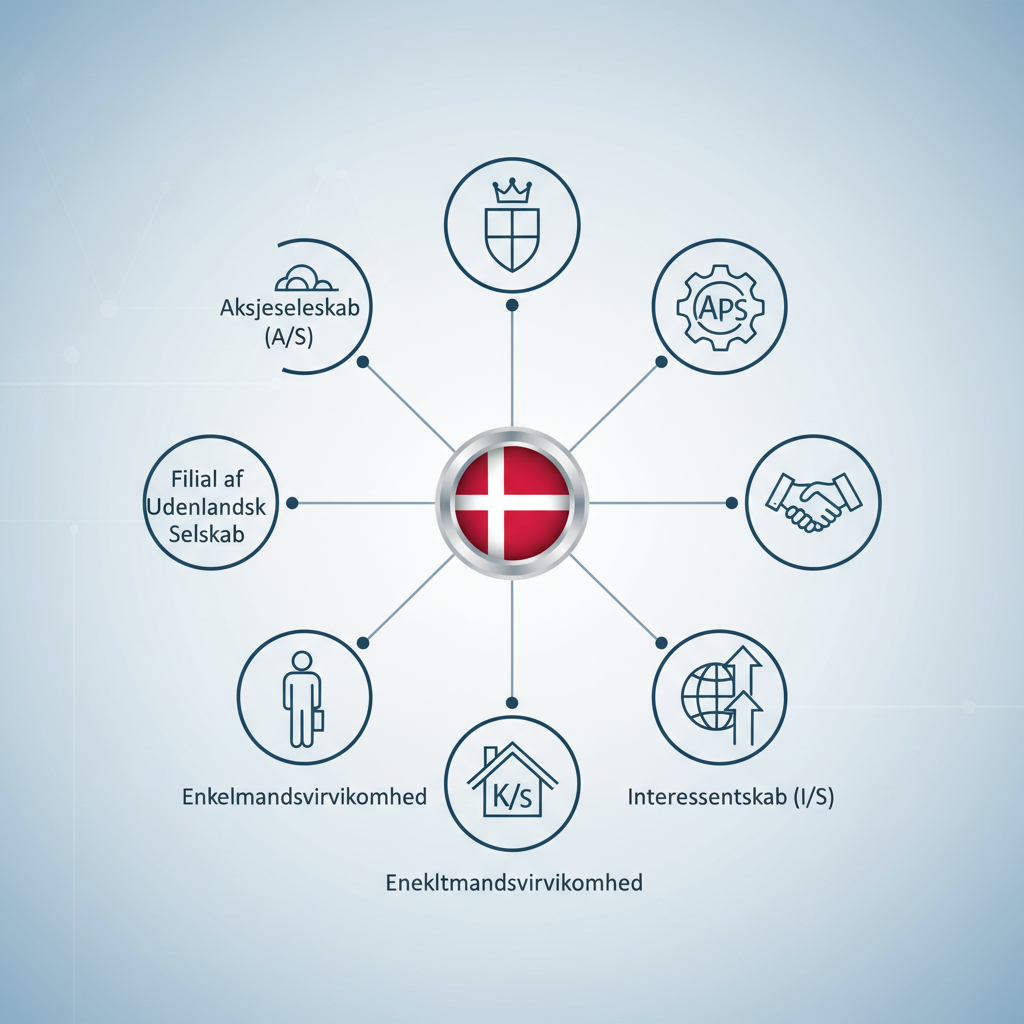
Navigating the Danish Business Landscape: A Comprehensive Guide to Entity Types
Denmark, consistently ranked among the easiest places to do business globally, offers a robust and transparent legal framework for various business entities. For entrepreneurs, startups, and international corporations eyeing the Nordic market, selecting the appropriate legal structure is a foundational decision that impacts everything from liability and taxation to administrative burden and fundraising potential. This comprehensive guide delves into the primary types of business entities available in Denmark, outlining their characteristics, advantages, and considerations.
I. Sole Proprietorship (Enkeltmandsvirksomhed)
1. Characteristics and Setup
The sole proprietorship, known as Enkeltmandsvirksomhed, is the simplest and most common form of business for individuals operating independently. It is owned and managed by one person, who is personally responsible for all business debts and obligations. There is no legal distinction between the owner and the business. Registration is relatively straightforward, typically involving registration with the Danish Business Authority (Erhvervsstyrelsen) and obtaining a CVR number (Central Business Register number). No minimum capital is required, making it an attractive option for small-scale operations and freelancers.
2. Advantages and Disadvantages
Advantages include ease of formation, minimal administrative requirements, and direct control over all business decisions. Profits are taxed as personal income, which can be advantageous for lower-earning businesses. Disadvantages primarily revolve around unlimited personal liability, meaning the owner's personal assets are at risk if the business incurs debts or faces legal claims. This structure can also make it harder to raise capital from external investors, as there are no shares to issue.
II. Partnerships
Denmark recognizes several forms of partnerships, offering varying degrees of liability and management structures for co-owned businesses.
1. General Partnership (Interessentskab - I/S)
An Interessentskab (I/S) involves two or more partners who are jointly and severally liable for the partnership's debts and obligations. This means each partner is fully liable for all debts, regardless of their individual contribution or share in the business. An I/S must be registered with the Danish Business Authority. A partnership agreement outlining responsibilities, profit sharing, and dispute resolution is highly recommended, though not legally mandatory for registration.
2. Limited Partnership (Kommanditselskab - K/S)
A Kommanditselskab (K/S) is a hybrid structure featuring at least one general partner (komplementar) with unlimited liability and at least one limited partner (kommanditist) whose liability is restricted to their capital contribution. The general partner typically manages the business, while limited partners are of


