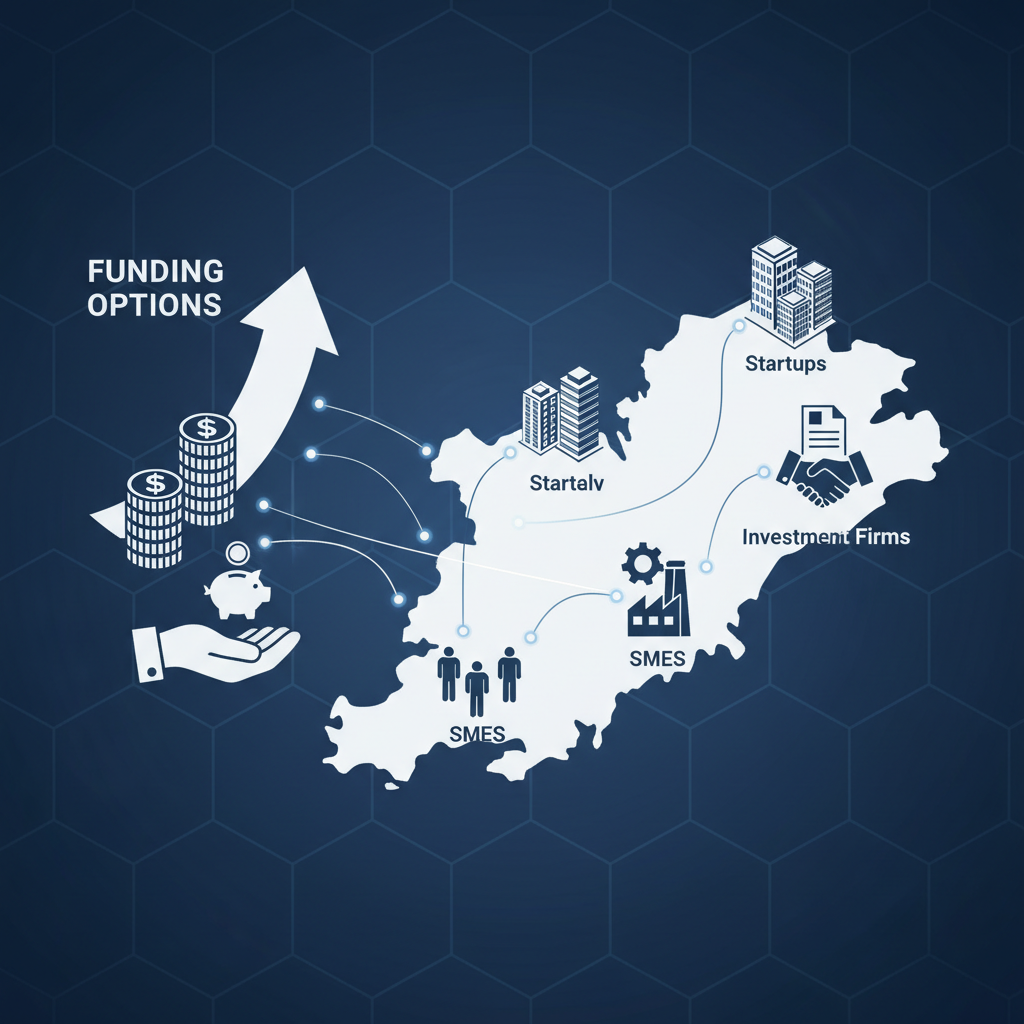
Открытие бизнеса в Ирландии: Полное руководство предпринимателя по созданию компании и соблюдению требований
Ирландия предлагает динамичную и благоприятную для бизнеса среду для предпринимателей, которые хотят создать новое предприятие. Это исчерпывающее руководство описывает основные шаги, юридические требования, налоговые соображения и обязательства по соблюдению норм для успешного начала бизнеса в Республике Ирландия.
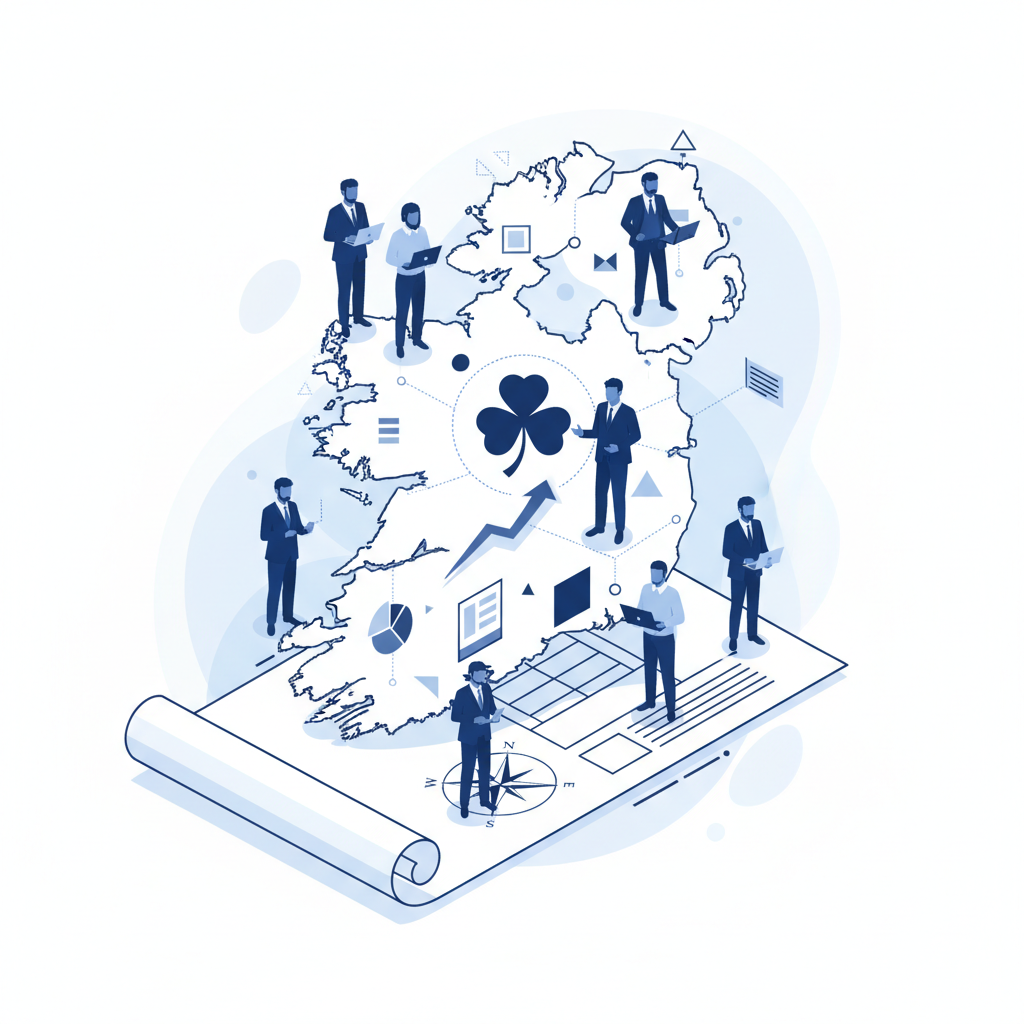
Starting a Business in Ireland: The Complete Entrepreneur's Guide
Ireland has long been lauded as a highly attractive jurisdiction for international businesses and burgeoning startups alike. Its strategic location, membership in the European Union, a highly educated workforce, and a competitive corporate tax rate combine to create an enticing ecosystem for entrepreneurial growth. However, navigating the intricacies of company formation, legal compliance, and tax obligations requires a clear understanding of the Irish regulatory landscape. This guide provides a comprehensive overview for entrepreneurs considering establishing a business in the Republic of Ireland.
Understanding the Irish Business Environment
Ireland's economy is characterised by its openness and strong emphasis on foreign direct investment. The government actively promotes entrepreneurship through various support agencies and initiatives. Key sectors include technology, pharmaceuticals, financial services, and agri-food. Dublin, Cork, Galway, and Limerick are significant economic hubs, each offering unique advantages depending on the industry.
Advantages of Starting a Business in Ireland
- Competitive Corporate Tax Rate: Ireland boasts a 12.5% corporate tax rate on trading profits, one of the lowest in the EU, making it highly attractive for profit-generating businesses.
- Access to the EU Single Market: As an EU member state, Ireland provides direct access to a market of over 450 миллионов consumers, simplifying trade within the bloc.
- Skilled Workforce: Ireland has a young, well-educated, and English-speaking workforce, particularly strong in technology and life sciences.
- Strong Regulatory Framework: A stable political and legal system based on common law provides certainty and protection for businesses.
- Government Support: Agencies like Enterprise Ireland and the Local Enterprise Offices (LEOs) offer funding, mentoring, and support programmes for startups and SMEs.
Disadvantages and Considerations
- Cost of Living/Doing Business: Major cities, particularly Dublin, can have high operational costs, including office rent and employee salaries.
- Regulatory Complexity: While streamlined, the process still requires diligent adherence to company law and tax regulations.
- Brexit Impact: While Ireland remains in the EU, businesses should consider the implications of Brexit on supply chains and trade with the UK.
Choosing Your Business Structure
The choice of legal structure is a foundational decision with significant implications for liability, taxation, and administrative burden. The most common structures in Ireland are:
1. Private Company Limited by Shares (LTD)
This is the most popular and flexible company type for small to medium-sized businesses. It offers limited liability to its shareholders, meaning their personal assets are protected from business debts. Key features include:
- **Minimum Dir