
Att etablera ett holdingbolag i Malta: Strategiska fördelar och operativ guide
Malta har framträtt som en ledande jurisdiktion för att etablera holdingbolag och erbjuder betydande skatteeffektivitet samt en robust regleringsram. Denna artikel går igenom de strategiska fördelarna och de praktiska stegen för att upprätta ett maltesiskt holdingbolag och ger viktiga insikter för internationella företag och investerare.
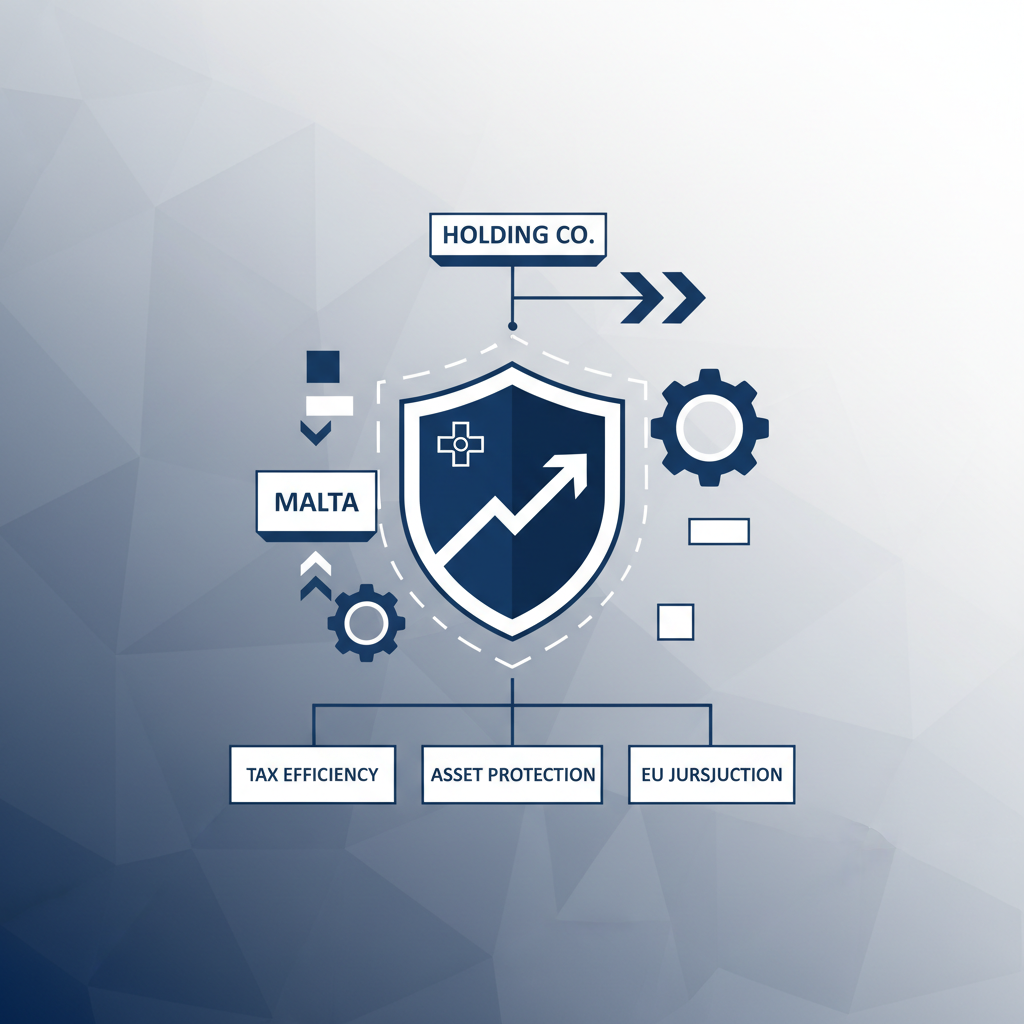
Establishing a Holding Company in Malta: Strategic Advantages and Operational Guide
Malta, a full member of the European Union, has solidified its reputation as an attractive jurisdiction for international businesses looking to establish holding companies. Its strategic geographical location, coupled with a sophisticated legal and financial infrastructure, makes it an ideal choice for consolidating assets, managing investments, and optimising tax structures. This comprehensive guide explores the multifaceted benefits of establishing a holding company in Malta and outlines the practical steps involved in the process.
Why Choose Malta for Your Holding Company?
Malta's appeal as a holding company jurisdiction stems from a combination of favourable tax laws, a robust regulatory environment, and a pro-business approach. These factors collectively create an ecosystem conducive to efficient international business operations.
Favourable Tax Regime
One of the most compelling reasons to establish a holding company in Malta is its highly attractive tax system. While the headline corporate tax rate in Malta is 35%, a unique imputation system significantly reduces the effective tax burden for shareholders.
- Full Imputation System: Under Malta's full imputation system, shareholders are entitled to a refund of a portion of the corporate tax paid by the company on distributed profits. For trading income, this typically results in a 6/7ths refund, bringing the effective tax rate down to 5%. For passive interest and royalties, a 5/7ths refund applies, reducing the effective rate to 10%. In specific cases involving certain passive income or income derived from participating holdings, a 2/3rds refund or even a full 100% refund may be applicable.
- Participation Exemption: Malta offers a robust participation exemption regime, which can lead to a 100% exemption from Maltese tax on dividends and capital gains derived from a 'participating holding'. A participating holding is generally defined as an equity holding in a company that is not a property company, where the Maltese company holds at least 5% of the equity shares, or the acquisition value exceeds €1.16 million, or the holding grants the right to appoint a director, or the holding is for the furtherance of the business of the Maltese company. This exemption is particularly attractive for multinational groups looking to repatriate profits or dispose of subsidiaries without incurring additional tax liabilities in Malta.
- No Withholding Taxes: Malta does not levy withholding taxes on dividends, interest, or royalties paid to non-resident entities, provided certain conditions are met. This is a significant advantage for international groups with complex ownership structures, facilitating efficient cross-border profit repatriation.
- Extensive Double Taxation Treaty Network: Malta boasts an extensive network of over 70 double taxation treaties. These treaties serve to prevent


