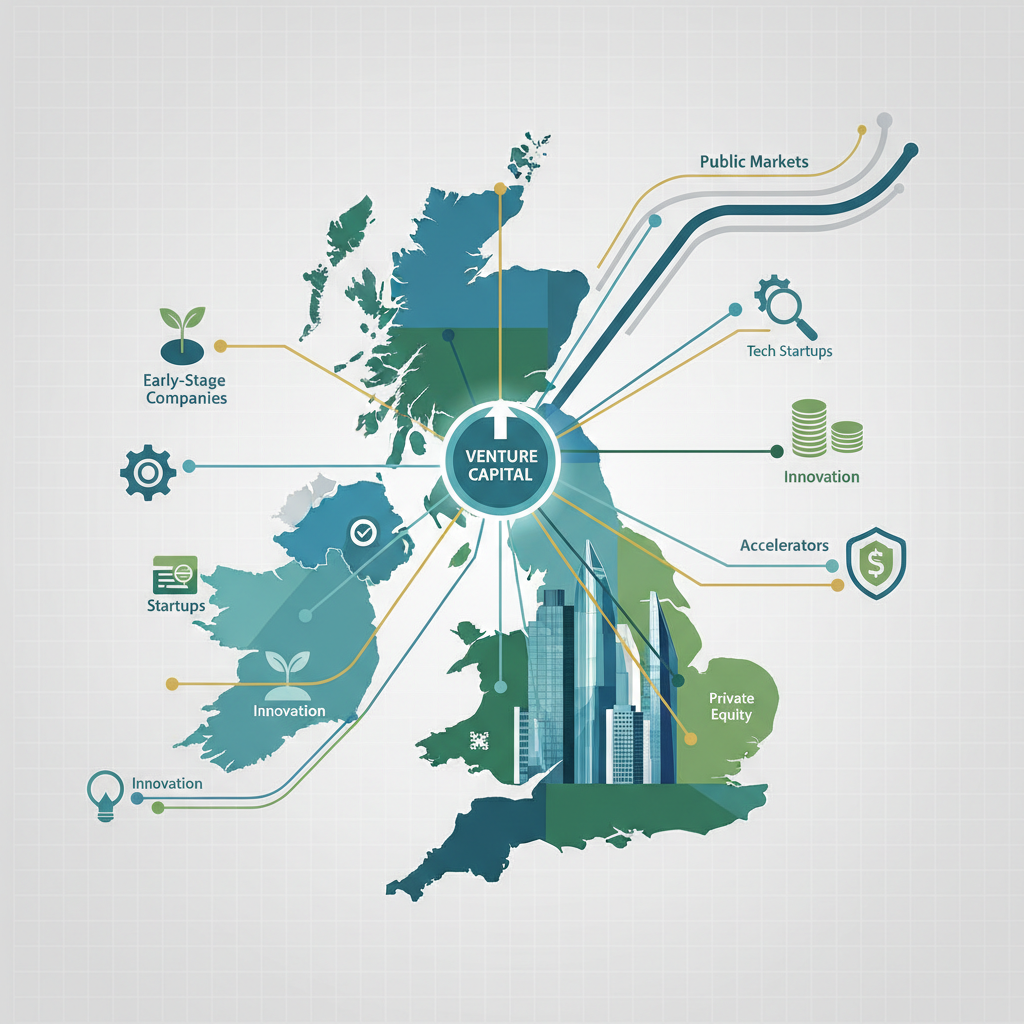
Navigera i företagskreditfaciliteter i Storbritannien
En djupgående granskning av företagskreditfaciliteter på den brittiska marknaden, som utforskar revolverande kreditstrukturer, föränderliga långivarlandskap, kopplingar till hållbarhet och strategiska refinansieringstrender.

Introduction to the UK Corporate Credit Landscape
Corporate credit facilities represent the financial backbone of modern commerce in the United Kingdom. From small and medium-sized enterprises (SMEs) seeking working capital to multinational corporations orchestrating complex mergers and acquisitions, access to flexible and reliable debt instruments is vital. In the UK, the corporate lending ecosystem has undergone transformative changes, shaped by shifting macroeconomic policies, evolving regulatory parameters, and an increasingly diversified pool of capital providers. Understanding the mechanics, structures, and strategic implications of these facilities is essential for CFOs, treasurers, and corporate advisors operating within the British economy.
The UK debt market is characterized by a high degree of sophistication, historically anchored by major high-street clearing banks. However, recent years have witnessed a profound democratization and expansion of credit availability. The emergence of agile challenger banks, specialized alternative finance providers, and expanding private credit funds has altered competitive dynamics. Lenders now compete aggressively not merely on pricing margins and arrangement fees, but on structural flexibility, speed of execution, and bespoke covenant packages tailored to specific corporate lifecycles.
Core Structures of Corporate Credit Facilities
Revolving Credit Facilities (RCFs) and Term Loans
The Revolving Credit Facility remains the most popular tool for UK corporate borrowers seeking liquidity management. An RCF allows a company to draw down, repay, and re-borrow funds multiple times over the life of the agreement, up to a predetermined limit. This instrument is exceptionally well-suited for managing seasonal cash flow fluctuations, funding day-to-day operations, and serving as a reliable backstop for commercial paper or sudden liquidity shocks. Alongside RCFs, amortising and bullet term loans provide medium-to-long-term capital for specific capital expenditures or strategic investments.
Syndicated and Bilateral Arrangements
Depending on the capital requirements of the borrower, credit facilities may be structured bilaterally with a single financial institution or syndicated across a multi-lender group. Bilateral facilities offer streamlined negotiation processes, lower administrative overheads, and greater confidentiality, making them the standard choice for lower mid-market businesses. Conversely, syndicated facilities are indispensable for larger corporations requiring hundreds of millions or billions of pounds. Syndication spreads risk among multiple participating banks and institutional investors, allowing borrowers to achieve monumental scale without over-concentrating exposure with a single counterparty.
Market Trends and Evolving Lender Dynamics
The Rise of Alternative Lenders and Private Credit
While traditional UK clearing banks continue to dominate plain-vanilla RCF prov