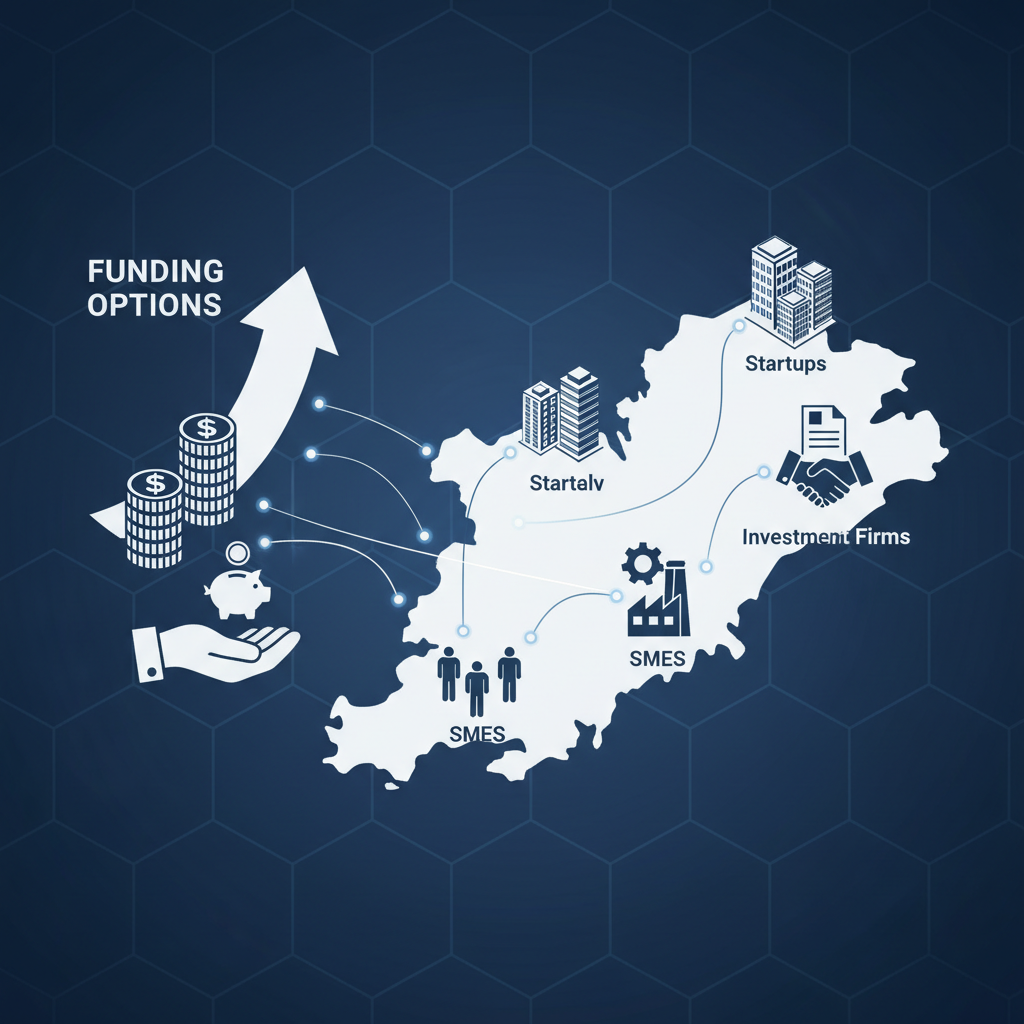
Navigera finansieringsalternativ: En omfattande guide för startups och SME i Cypern
Att säkra tillräcklig finansiering är en avgörande utmaning för startups och små och medelstora företag (SMEs) i Cypern. Denna artikel ger en djupgående genomgång av de olika finansieringsvägar som finns tillgängliga, från traditionell bankverksamhet till innovativa statliga program och riskkapital, och erbjuder praktiska insikter för entreprenörer.
Introduction: The Funding Landscape for Cypriot Businesses
Cyprus, with its strategic geographical location, favourable tax regime, and robust legal framework, has become an increasingly attractive destination for entrepreneurs and businesses. However, like any burgeoning economy, securing adequate funding remains a pivotal challenge for both nascent startups and established Small and Medium-sized Enterprises (SMEs). The ability to access capital is often the primary determinant of a business's growth trajectory, innovation capacity, and overall survival. This article aims to provide a comprehensive, professional guide to the various funding options available to startups and SMEs in Cyprus, detailing their characteristics, application processes, and suitability for different business stages.
The Cypriot government, alongside European Union initiatives, has actively sought to foster a supportive ecosystem for business development, introducing several schemes and incentives designed to alleviate funding constraints. Understanding these options, their eligibility criteria, and the strategic implications of each is crucial for any entrepreneur looking to establish or expand their presence in the Republic.
Traditional Funding Avenues: Banks and Debt Financing
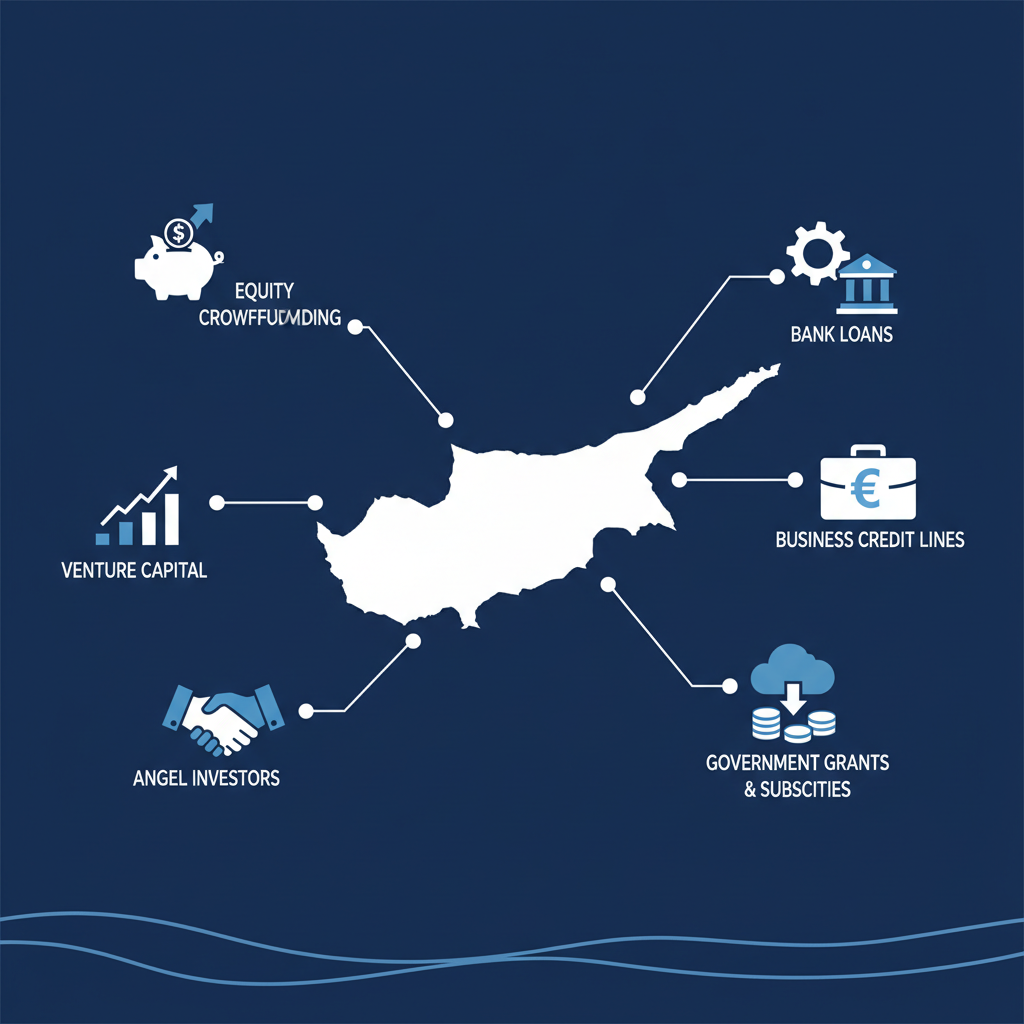
For many businesses, traditional debt financing through commercial banks remains the first port of call. Cypriot banks, including major players like Bank of Cyprus, Hellenic Bank, and Eurobank Cyprus, offer a range of products tailored for businesses, from working capital loans to investment financing. These typically include:
1. Business Loans and Overdraft Facilities
Business loans are a common form of debt financing, providing a lump sum of capital that is repaid with interest over a fixed period. Overdraft facilities offer more flexibility, allowing businesses to draw funds up to an agreed limit, primarily for managing short-term cash flow fluctuations. Eligibility usually hinges on a strong business plan, a solid credit history, collateral (often real estate or other assets), and demonstrable repayment capacity. The application process involves submitting detailed financial statements, projections, and a comprehensive business proposal. Interest rates and repayment terms vary significantly based on the bank, the borrower's risk profile, and prevailing market conditions. While generally more accessible for established SMEs with a track record, some banks offer specific packages for startups, often requiring personal guarantees or government-backed guarantees.
2. European Investment Bank (EIB) and European Investment Fund (EIF) Initiatives
Cypriot banks often act as intermediaries for EIB and EIF funding programmes. These programmes are designed to support SMEs by offering more favourable lending terms, reduced collateral requirements, or lower interest rates, often through guarantee schemes that mitigate risk for the commercial banks. For instance, the EIF often provides