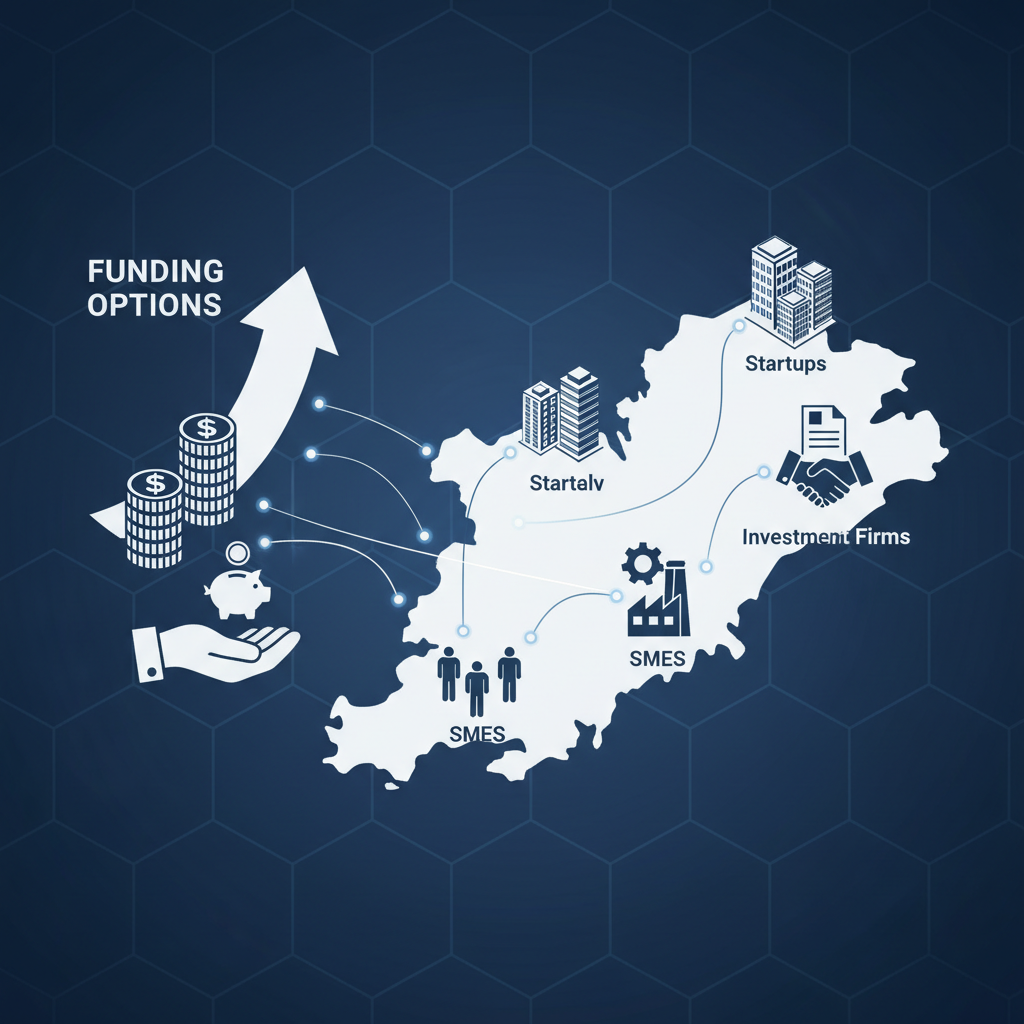
Att navigera finansieringsalternativ för startups och små och medelstora företag (SME) i Dubai (UAE)
Dubai erbjuder ett dynamiskt ekosystem för startups och små och medelstora företag, men att säkra tillräcklig finansiering förblir en avgörande utmaning. Denna artikel utforskar ett omfattande utbud av finansieringsvägar som finns i UAE, från traditionella banklösningar till innovativa riskkapitalinvesteringar och statliga initiativ, och ger entreprenörer praktiska insikter för att navigera i detta landskap.
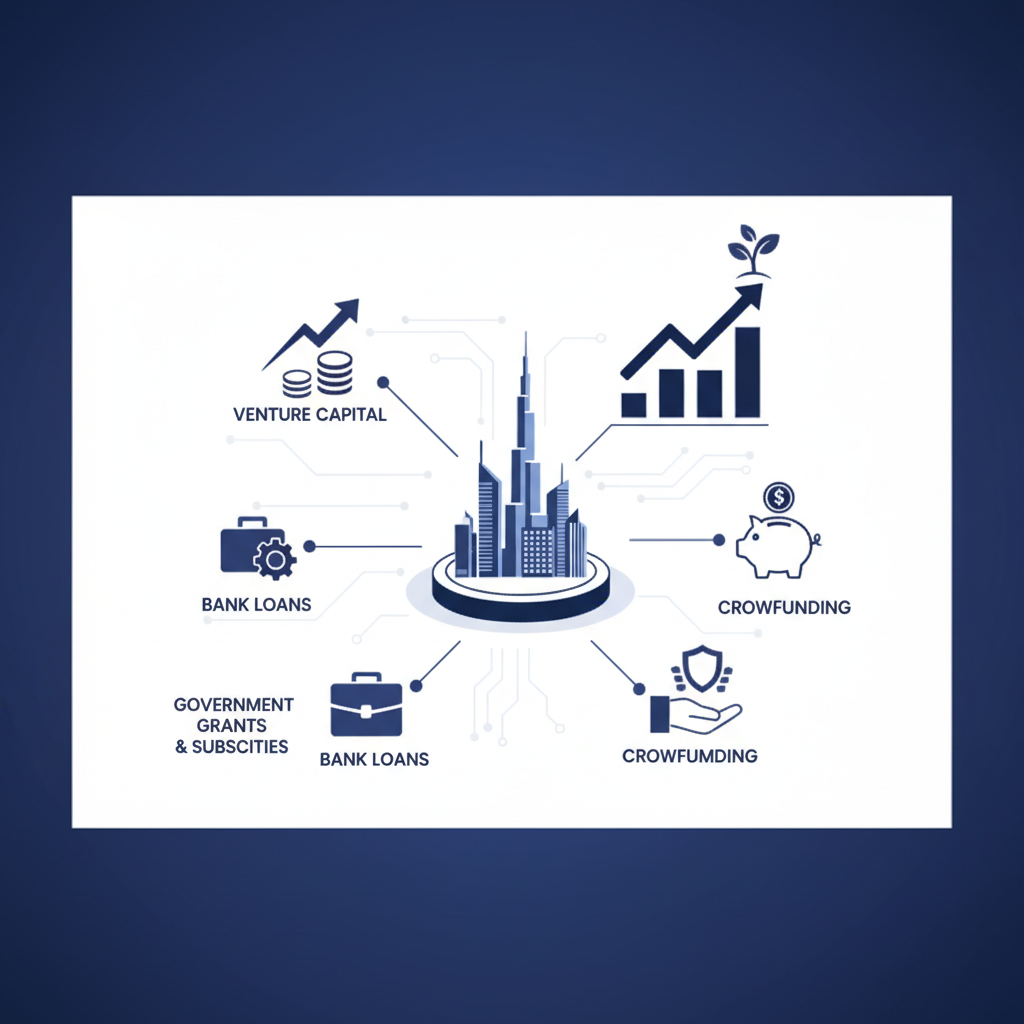
Introduction: Dubai's Thriving Ecosystem and Funding Imperatives
Dubai has firmly established itself as a global hub for innovation, entrepreneurship, and business growth. Its strategic location, world-class infrastructure, business-friendly policies, and diverse talent pool make it an attractive destination for both nascent startups and established small and medium-sized enterprises (SMEs). However, a common hurdle for businesses, regardless of their stage, is securing appropriate funding to fuel their growth, manage operations, and scale their ambitions. The UAE government, along with private sector entities, has proactively developed a multifaceted funding landscape to support this vital segment of the economy. Understanding these options, their requirements, and the processes involved is paramount for any entrepreneur looking to succeed in this vibrant market.
SMEs are the backbone of the UAE economy, contributing significantly to its GDP and employment. Recognizing this, the government has implemented various initiatives to foster their development, including easier access to finance. This article delves into the diverse funding options available to startups and SMEs in Dubai, offering practical insights into each category, regulatory considerations, and strategic advice for entrepreneurs.
Traditional Funding Channels: Banking and Debt Finance
Traditional banking remains a primary source of capital for many SMEs, particularly those with a proven track record and stable cash flow. Dubai hosts a plethora of local and international banks, each offering a range of products tailored for businesses.
Commercial Bank Loans
Commercial banks provide various types of loans, including working capital loans, term loans, and overdraft facilities. Working capital loans are designed to cover day-to-day operational expenses, while term loans are typically used for larger investments like equipment purchase or business expansion, repaid over a fixed period. Overdrafts offer flexibility for short-term cash flow gaps.
Key Considerations:
- Eligibility: Banks typically require a minimum operating history (often 1-3 years), audited financial statements, a strong business plan, and collateral. For startups, securing a traditional loan can be challenging without significant assets or a robust revenue stream.
- Documentation: Extensive documentation is required, including trade license, memorandum of association, financial statements, bank statements, business plan, and personal guarantees from shareholders.
- Cost: Interest rates vary based on the bank, the borrower's creditworthiness, the loan amount, and the tenure. Processing fees and other charges also apply.
- Process: The application process can be lengthy, often taking several weeks to months, involving detailed due diligence by the bank.
Government-Backed Loan Schemes
To mitigate the risks associated with lending to SMEs, the UAE government, through enheter