
迪拜(UAE)公司设立:商业实体全面指南
迪拜为企业提供了充满活力的环境,但了解其多样的公司设立选项对于成功至关重要。本文深入介绍了迪拜可用的各种商业实体,涵盖自由区、内地和离岸结构,以及它们的监管影响、成本和优势。
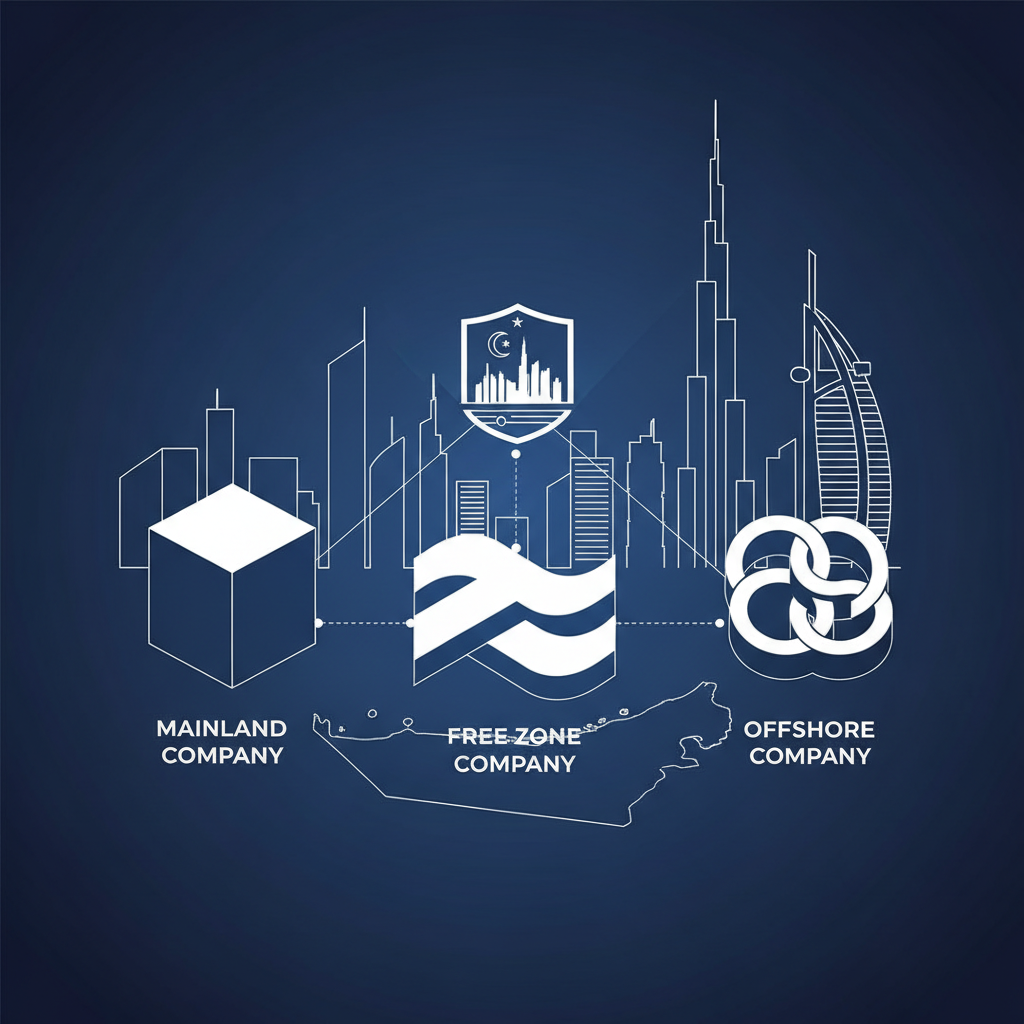
Dubai, a global business hub, continues to attract entrepreneurs and multinational corporations seeking strategic access to emerging markets, a tax-efficient environment, and world-class infrastructure. Establishing a business in this vibrant emirate requires a clear understanding of the various legal structures available, each with its own set of advantages, regulatory requirements, and operational considerations. Navigating these options is paramount for ensuring compliance, optimizing operational efficiency, and achieving long-term success.
Understanding Dubai's Business Jurisdictions
Dubai's company formation landscape is primarily divided into three main jurisdictions: Mainland, Free Zones, and Offshore. Each jurisdiction caters to different business objectives and offers distinct benefits and limitations.
Mainland Companies (Department of Economic Development - DED)
Mainland companies, registered with the Department of Economic Development (DED) in Dubai, are ideal for businesses that wish to trade directly with the local UAE market and conduct business anywhere within the UAE. They offer the most flexibility in terms of operational scope and location. Historically, mainland companies required a 51% local Emirati sponsorship, but recent legislative changes have significantly liberalized ownership rules, allowing 100% foreign ownership for many business activities. This reform, introduced through Federal Decree-Law No. 26 of 2020, has opened up numerous sectors previously restricted to foreign investors, making mainland formation even more attractive.
Key Characteristics:
- Local Market Access: Direct access to the entire UAE market without restrictions.
- Office Location: Can establish offices anywhere in Dubai.
- Ownership: Up to 100% foreign ownership for most commercial and industrial activities, subject to specific activity lists and regulatory approvals.
- Permits: Requires various permits and approvals from local government entities, including DED, municipality, and potentially other ministries depending on the business activity.
- Auditing: Mandatory annual auditing for most legal forms.
- Visa Quotas: Generally more flexible visa quotas compared to some free zones.
Common Legal Forms:
- Limited Liability Company (LLC): The most popular choice for mainland businesses due to its limited liability protection for shareholders and flexibility. Requires a minimum of two and a maximum of fifty shareholders.
- Sole Proprietorship: Suitable for single owners engaged in professional or commercial activities. The owner bears unlimited liability.
- Civil Company: For professionals (e.g., doctors, lawyers, consultants) with two or more partners. Liability is usually unlimited.
- Public Joint Stock Company (PJSC) / Private Joint Stock Company (PrJSC): For larger enterprises, with more stringent capital and regulatory requirements.
- Branch of a Foreign Company:


