奥地利进出口许可:企业实用指南
在奥地利开展进出口贸易时,了解并遵守进出口法规对国际贸易至关重要。本指南为在奥地利境内或通过奥地利运营的企业提供关于许可要求、流程和关键注意事项的全面概述,帮助确保合规并促进顺利的跨境业务运作。
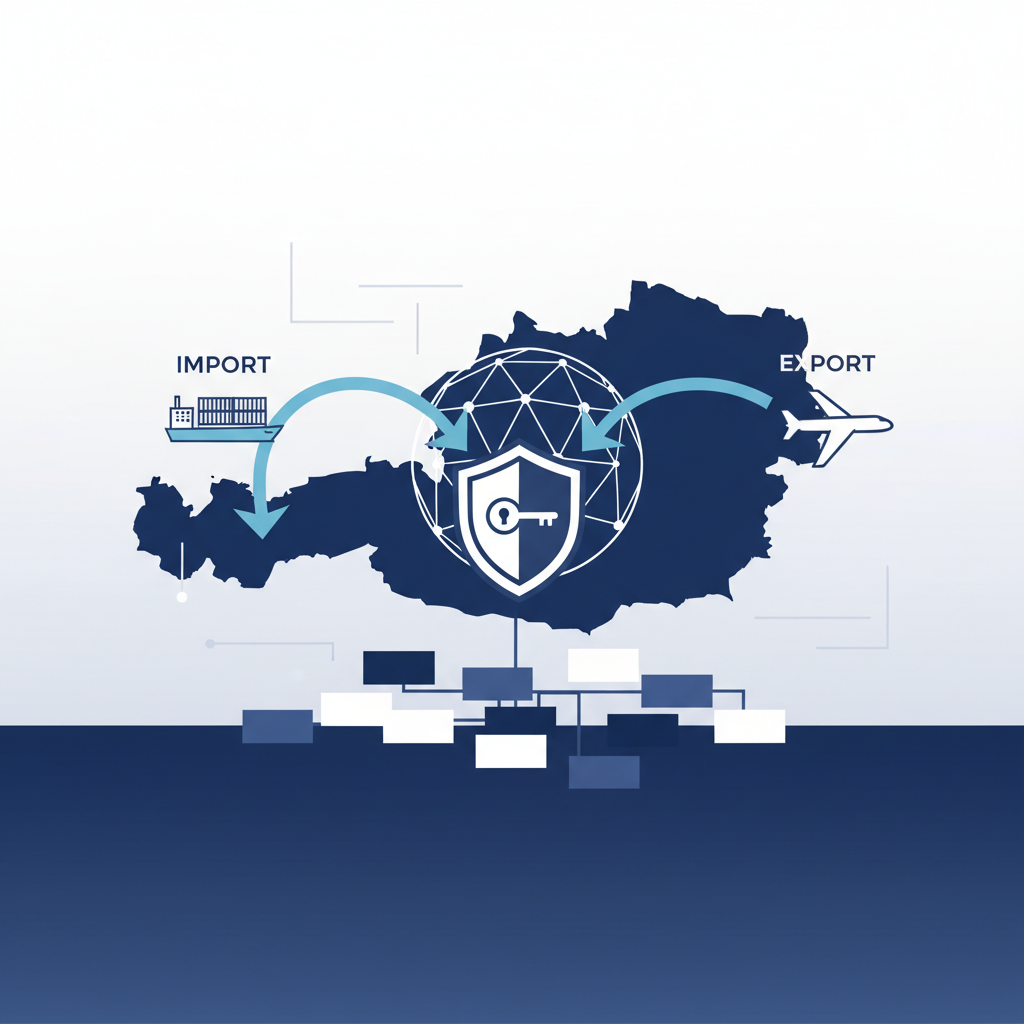
Import and Export Licensing in Austria: A Practical Guide for Businesses
Austria, as a member of the European Union (EU), operates within the framework of the EU's common commercial policy, which significantly streamlines import and export procedures for goods moving within the single market. However, trade with non-EU countries, and certain sensitive goods even within the EU, still necessitates careful attention to licensing and regulatory requirements. For entrepreneurs and established businesses looking to leverage Austria's strategic location in Central Europe, understanding these nuances is paramount for ensuring compliance, avoiding delays, and optimizing trade operations.
The EU Framework and Austrian Specifics
The foundation of import and export regulations in Austria is the EU Customs Code (Regulation (EU) No 952/2013) and its implementing acts. This means that for goods originating from or destined for another EU member state, the principle of free movement generally applies, and no customs duties or specific import/export licenses are typically required, barring exceptions for certain excise goods or products subject to specific national health, safety, or environmental regulations. However, when trading with countries outside the EU (third countries), EU customs law applies, and Austria, through its national authorities, enforces these regulations.
Key Authorities and Legislation
The primary Austrian authority responsible for customs and trade regulations is the Federal Ministry of Finance (Bundesministerium für Finanzen – BMF), particularly its customs administration (Zollverwaltung). Specific licensing requirements for certain goods might also involve other ministries, such as the Federal Ministry for Digital and Economic Affairs (Bundesministerium für Digitalisierung und Wirtschaftsstandort – BMDW) for strategic goods, or the Federal Ministry for Climate Action, Environment, Energy, Mobility, Innovation and Technology (Bundesministerium für Klimaschutz, Umwelt, Energie, Mobilität, Innovation und Technologie – BMK) for environmental or waste-related products.
Austrian national legislation, such as the Foreign Trade Act (Außenwirtschaftsgesetz – AWG) and the Foreign Trade Ordinance (Außenwirtschaftsverordnung – AWV), complements EU regulations, particularly concerning dual-use items, arms, and certain other sensitive goods. Businesses must be aware that while the EU sets the overarching framework, national interpretations and specific administrative procedures can vary.
General Import and Export Procedures
For most goods, the import and export process from/to non-EU countries involves several standard steps, even if a specific license isn't required. These steps are crucial for customs clearance:
- EORI Number Registration: All economic operators involved in customs-related activities in the EU must have an Economic Operator Registration and Identification (EORI) number. This is a unique identification code