在奥地利注册公司的年度合规导航:全面指南
理解并遵守年度合规义务对在奥地利经营的公司至关重要。本详细指南概述了关键的法律、税务和行政要求,提供实用见解以确保运营顺畅并避免处罚。从财务报告到数据保护,我们为企业家和商务专业人士覆盖了必要的方面。
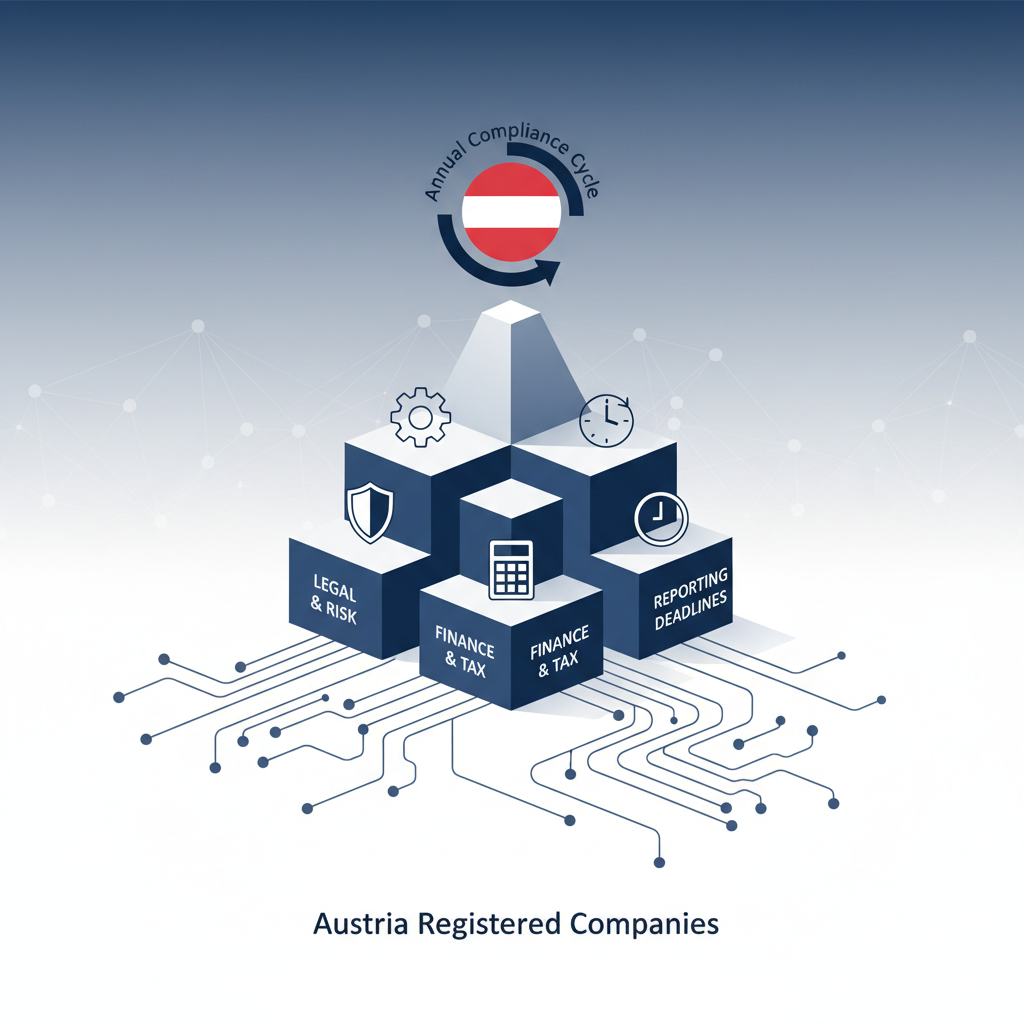
Navigating Annual Compliance: A Comprehensive Guide for Companies Registered in Austria
Austria, with its stable economy, strategic Central European location, and robust legal framework, presents an attractive environment for businesses. However, establishing a company in Austria is only the first step; maintaining its legal standing and operational integrity requires diligent adherence to a comprehensive set of annual compliance obligations. For entrepreneurs, foreign investors, and business professionals, understanding these requirements is not merely a formality but a critical component of sustainable success. Failure to comply can result in significant penalties, reputational damage, and even legal action. This article delves into the key annual compliance obligations for companies registered in Austria, providing a practical roadmap for navigating this complex landscape.
Financial Reporting and Auditing Requirements
The cornerstone of annual compliance in Austria revolves around financial reporting. Austrian commercial law, particularly the Austrian Commercial Code (UGB) and the Austrian Stock Corporation Act (AktG) for larger entities, mandates strict rules for the preparation, filing, and, in many cases, auditing of financial statements.
Annual Financial Statements (Jahresabschluss)
All Austrian companies, regardless of their legal form (GmbH, AG, etc.), are required to prepare annual financial statements. These typically include a balance sheet, an income statement, and notes to the financial statements. Larger companies may also need to prepare a cash flow statement and a statement of changes in equity. The financial statements must be prepared in accordance with Austrian Generally Accepted Accounting Principles (Austrian GAAP), which are largely based on EU directives. The reporting period is usually the calendar year, but a different fiscal year can be chosen upon company registration.
Filing Deadlines and Publication
Annual financial statements must be prepared within nine months of the end of the fiscal year. For most companies with a calendar fiscal year, this means by September 30th. Once prepared, these statements, along with the management report (Lagebericht) for larger companies, must be submitted to the Austrian Commercial Register (Firmenbuch) at the competent regional court. The deadline for filing is typically within nine months after the balance sheet date. These documents are then publicly accessible, ensuring transparency.
Auditing Requirements
Not all companies are subject to mandatory auditing. The requirement for an audit depends on the size of the company, determined by criteria such as annual turnover, total assets, and the average number of employees. Small companies (Einzelunternehmen, small GmbHs) are generally exempt. Medium-sized and large companies, however, must have their annual financial statements audited by a certified public auditor (Wirtschaftsprüfer). The auditor's report must