驾驭公司治理:丹麦企业的全面指南
理解并遵守公司治理要求对于在丹麦经营的任何企业都至关重要。本文提供了有关法律框架、关键结构以及在丹麦公司环境中建立和维护健全治理实践的实际考量的详细概览。
Navigating Corporate Governance: A Comprehensive Guide for Companies in Denmark
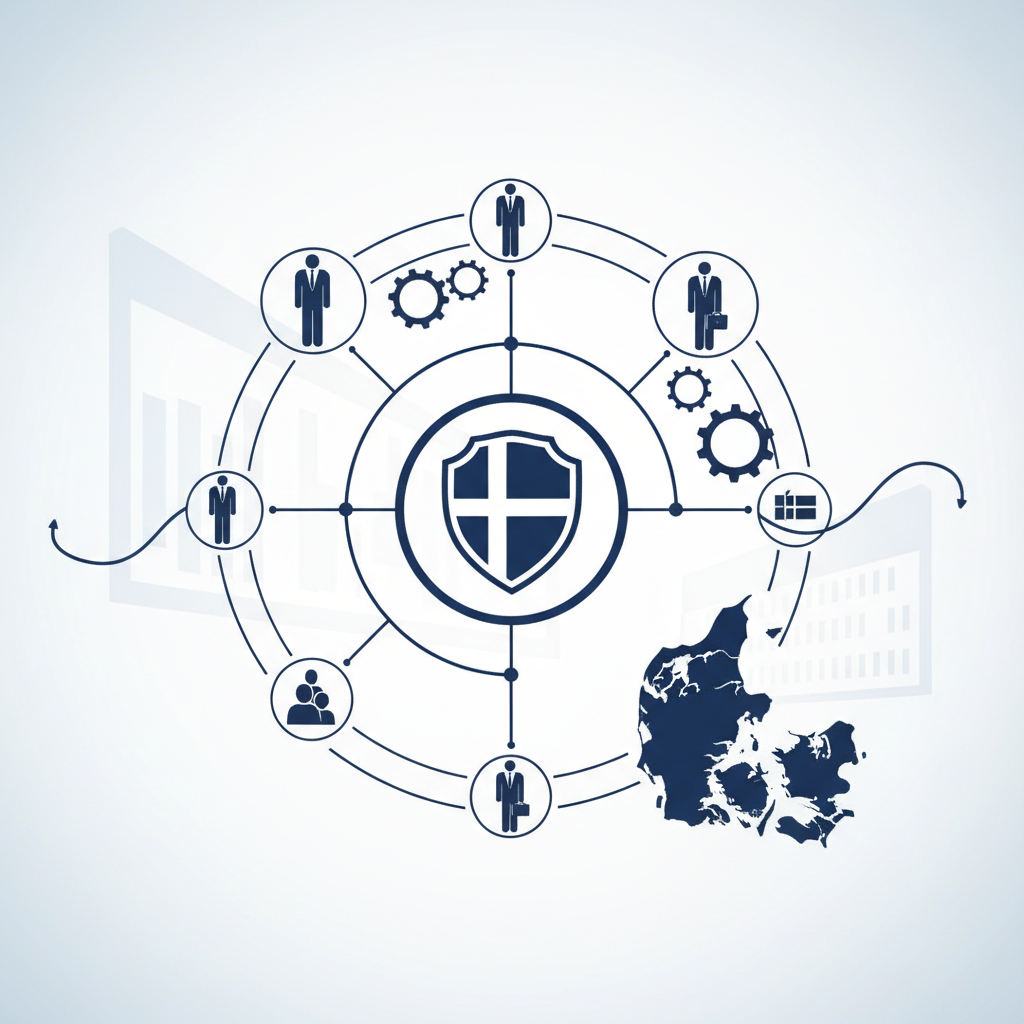
Denmark, renowned for its transparent business environment and strong rule of law, places significant emphasis on robust corporate governance. For entrepreneurs and businesses looking to establish or expand their operations in this Nordic nation, a thorough understanding of these requirements is not merely a compliance exercise but a fundamental pillar for sustainable success, investor confidence, and ethical operations. This article delves into the core aspects of corporate governance in Denmark, outlining the legal framework, key structures, and practical implications for companies.
The Legal Framework for Corporate Governance in Denmark
Corporate governance in Denmark is primarily regulated by the Danish Companies Act (Selskabsloven), which applies to all limited liability companies, including private limited companies (ApS) and public limited companies (A/S). Beyond this foundational act, other significant regulations and recommendations influence governance practices. These include the Danish Financial Statements Act (Årsregnskabsloven) for financial reporting, specific rules for listed companies, and the Recommendations on Corporate Governance issued by the Committee on Corporate Governance. While the Recommendations are not legally binding, they represent best practices and are widely adopted, particularly by larger and listed entities, under a 'comply or explain' principle.
The Danish legal system promotes a two-tier governance structure, although a one-tier system is also permissible for private limited companies. The two-tier system typically involves a management board (direktion) responsible for day-to-day operations and a supervisory board (bestyrelse) overseeing the management and strategic direction. The one-tier system, less common for larger entities, combines these functions into a single board of directors. The choice of structure often depends on the company's size, complexity, and ownership structure.
Key Corporate Governance Structures and Roles
The General Meeting (Generalforsamling)
The general meeting of shareholders is the supreme authority in any Danish company. It holds ultimate decision-making power on fundamental matters such as amendments to the articles of association, election of board members, approval of annual accounts, distribution of profits, and significant corporate transactions (e.g., mergers, demergers, liquidations). Shareholders exercise their voting rights at these meetings, which must be held at least once a year (the annual general meeting) to approve the financial statements. The notice period for general meetings, voting procedures, and quorum requirements are strictly defined in the Companies Act and the company's articles of association.
The Management Board (Direktion)
The management board is responsible for the day-to-day management of the company. This includes executing the company's 战略