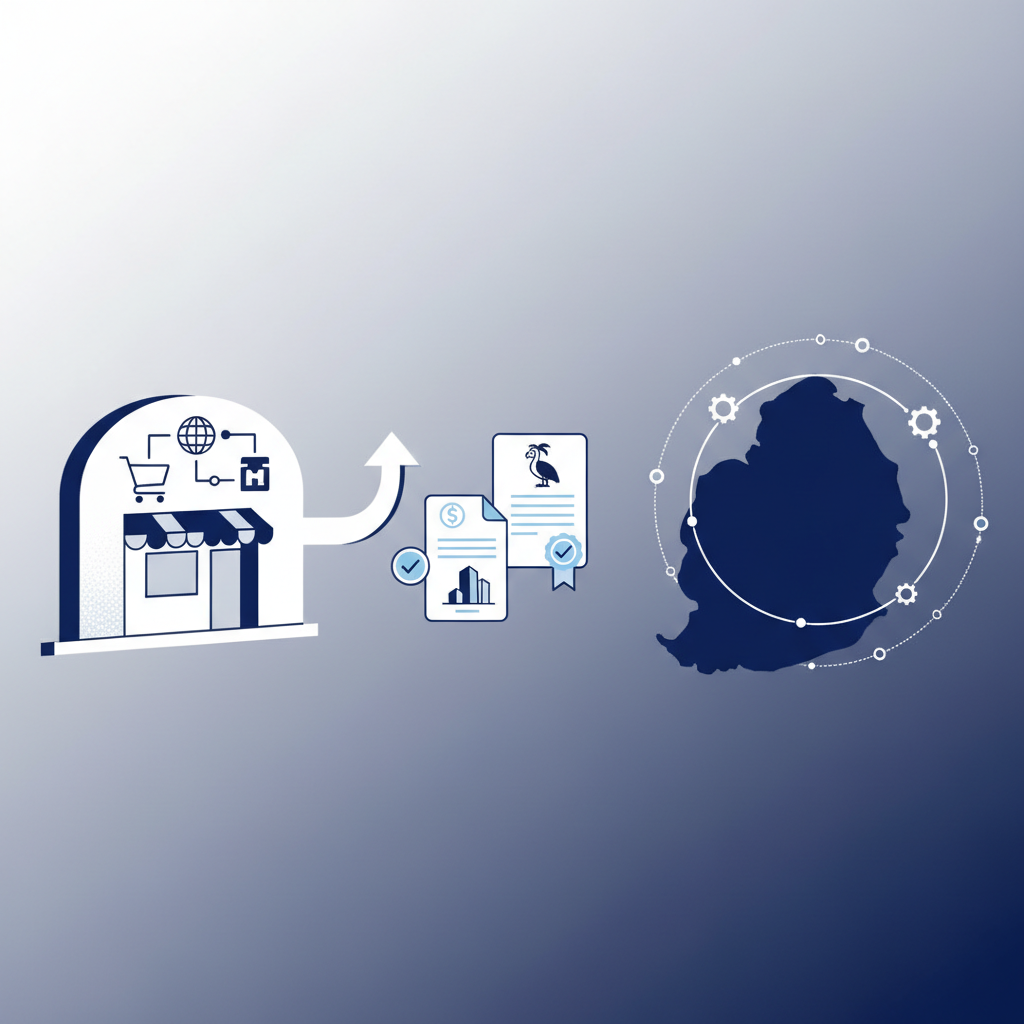
电子商务导航:在西班牙的基本商业要求与许可
在西班牙开展电子商务业务提供了重大机遇,但需要仔细应对当地法规。本综合指南概述了在西班牙市场建立和经营在线商店的关键法律、税务和运营要求,确保合规并促进可持续增长。

Navigating E-Commerce: Essential Business Requirements and Permits in Spain
Spain, with its robust internet penetration and growing digital economy, presents an attractive market for e-commerce entrepreneurs. However, successfully establishing and operating an online business in this vibrant European nation necessitates a thorough understanding of its unique legal, tax, and administrative landscape. From company formation to consumer protection and data privacy, compliance is paramount for long-term success. This article delves into the essential business requirements and permits for e-commerce ventures in Spain, providing a practical roadmap for aspiring and established online retailers.
1. Legal Structure and Company Formation
The first critical step for any e-commerce business in Spain is choosing the appropriate legal structure. This decision impacts liability, taxation, and administrative burden. The most common options for small to medium-sized e-commerce businesses are:
a. Sole Proprietorship (Autónomo)
This is the simplest and quickest option, suitable for individual entrepreneurs. As an "Autónomo," you operate as a self-employed individual, and there is no legal distinction between you and your business. This means unlimited personal liability for business debts. Registration involves enrolling in the Social Security System for self-employed workers and registering with the Spanish Tax Agency (Agencia Tributaria) through Form 036 or 037.
b. Limited Liability Company (Sociedad Limitada - S.L.)
An S.L. is the most popular choice for e-commerce businesses due to its limited liability, meaning shareholders are only liable up to the amount of their capital contribution. This structure provides a clear separation between personal and business assets. Key steps for forming an S.L. include:
- Name Reservation: Obtaining a unique company name from the Central Mercantile Register (Registro Mercantil Central).
- Bank Account: Opening a corporate bank account and depositing the minimum share capital (€3,000).
- Deed of Incorporation: Signing the public deed of incorporation before a public notary.
- Tax Identification Number (NIF): Applying for a provisional NIF from the Tax Agency, which becomes definitive upon registration.
- Mercantile Register: Registering the company with the Commercial Registry of the province where the company's registered office is located.
c. Other Structures
While less common for nascent e-commerce, other structures like Public Limited Companies (Sociedad Anónima - S.A.) exist for larger enterprises with significant capital requirements. Foreign companies can also establish branches or permanent establishments, though this involves a different set of procedures.
2. Tax and Social Security Obligations
Spain's tax system is comprehensive, and e-commerce businesses must comply with several key obligations.
a. Value Added Tax (VAT - IVA)
All e-commerce businesses