电子商务导航:在英国开展业务的必要要求与许可证
在英国开展电子商务业务需要全面了解各种法律、财务和运营要求。本综合指南概述了线上创业者需要的关键步骤、注册和合规义务,确保顺利且合法地进入市场。
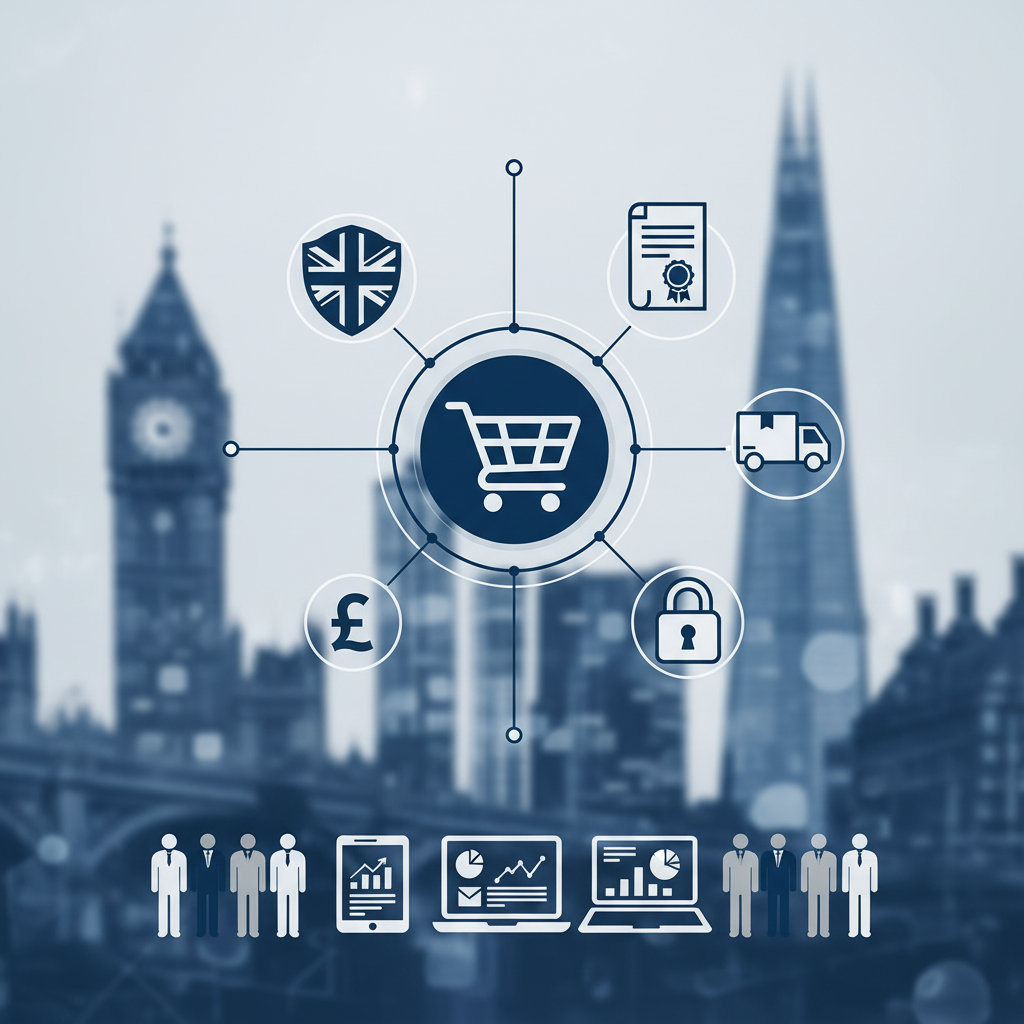
The United Kingdom, with its robust digital infrastructure and high internet penetration, presents a fertile ground for e-commerce businesses. However, establishing and operating an online store legally and successfully involves navigating a complex web of regulations, registrations, and compliance obligations. Entrepreneurs must be acutely aware of these requirements to avoid penalties, build trust with customers, and ensure sustainable growth.
1. Business Registration and Legal Structure
The foundational step for any e-commerce venture in the UK is to formally establish its legal identity. The choice of legal structure significantly impacts liability, tax obligations, and administrative burden.
Sole Trader
This is the simplest and most common structure for small e-commerce businesses. As a sole trader, you are self-employed, and there's no legal distinction between you and your business. You keep all profits after tax but are personally liable for all business debts. Registration involves informing HMRC that you are self-employed. This can be done online and typically takes a few minutes. There are no direct registration fees for becoming a sole trader, but you will need to register for Self Assessment to pay income tax and National Insurance contributions.
Limited Company (Ltd)
A limited company is a separate legal entity from its owners (shareholders) and directors. This provides limited liability protection, meaning personal assets are generally protected if the business incurs debts. Setting up a limited company involves registering with Companies House. This process typically costs £12-£50, depending on whether you register online or via post, and can take as little as 24 hours online. A limited company requires more administrative effort, including filing annual accounts and confirmation statements, and is subject to Corporation Tax. It also offers a more professional image and can be easier to raise capital for.
Partnership
If you're starting an e-commerce business with one or more people, a partnership might be suitable. Partners share profits and are jointly and severally liable for business debts. A partnership agreement is highly recommended to outline responsibilities, profit sharing, and dispute resolution. Like sole traders, partners register for Self Assessment. No direct registration fees apply to form a partnership, but legal costs for drafting an agreement can vary.
2. Tax Registrations and Obligations
Tax compliance is paramount for any UK business, including e-commerce operations. Understanding and fulfilling these obligations is crucial.
Income Tax and National Insurance (for Sole Traders and Partners)
Sole traders and partners must register for Self Assessment with HMRC. This involves submitting an annual tax return declaring business income and expenses. Income Tax is paid on profits, and National Insurance contributions are made towards state benefits. The registration deadline is typica