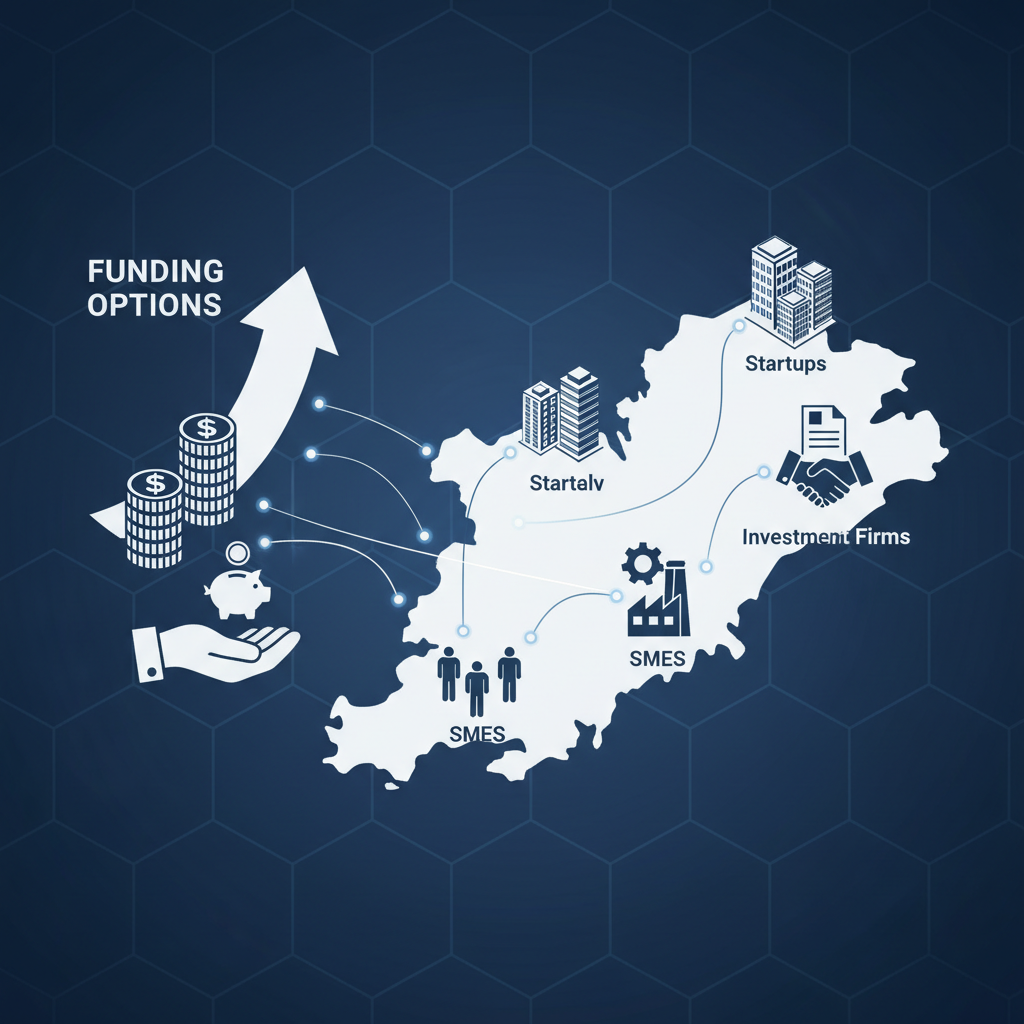
英国小企业政府补助与补贴导航:全面指南
本文详细概述了英国面向小企业的政府补助和补贴,提供关于资格、申请流程和策略性考虑的实用见解。旨在为创业者提供获取增长与创新关键资金的知识。在竞争激烈的英国市场中,理解这些资金渠道对于可持续的业务发展至关重要。

Navigating Government Grants and Subsidies for UK Small Businesses: A Comprehensive Guide
Small and medium-sized enterprises (SMEs) are the backbone of the United Kingdom's economy, driving innovation, creating jobs, and fostering local prosperity. Recognising their critical role, the UK government, alongside various regional and local authorities, offers a diverse array of grants and subsidies designed to support their growth, resilience, and development. However, the landscape of available funding can often appear complex and fragmented, making it challenging for business owners to identify and access the most suitable opportunities. This comprehensive guide aims to demystify government grants and subsidies for UK small businesses, providing actionable insights for entrepreneurs seeking to leverage these vital resources.
Understanding the UK Grant Landscape
Government grants and subsidies are non-repayable funds provided by public bodies to support specific business activities or objectives. Unlike loans, they do not need to be paid back, making them an attractive funding option, particularly for nascent businesses or those undertaking high-risk innovation. The UK's grant landscape is multifaceted, encompassing national schemes, devolved administration programmes (Scotland, Wales, Northern Ireland), and local authority initiatives. These programmes are typically designed to address specific policy objectives, such as boosting regional economies, promoting green technologies, fostering research and development (R&D), or supporting specific sectors like manufacturing or digital transformation.
Key characteristics of government grants include:
- Targeted Objectives: Grants are almost always tied to specific outcomes, such as job creation, export growth, environmental improvements, or technological advancements. Businesses must demonstrate how their project aligns with these objectives.
- Competitive Application: Funding is often limited, and applications are typically competitive. A well-articulated business case, detailed project plan, and clear financial projections are crucial.
- Match Funding Requirements: Many grants require 'match funding,' meaning the business must contribute a certain percentage of the project cost from its own resources or other private funding. This demonstrates commitment and reduces the public sector's sole financial risk.
- Post-Award Reporting: Grant recipients are usually required to submit regular reports on project progress and expenditure to ensure compliance with the grant terms and conditions.
Key Sources of Grant Information
Navigating the multitude of grant providers requires a strategic approach. Primary sources of information include:
- Gov.uk: The official government website is a central hub for national-level grants and funding opportunities, often linking to specific departmental schemes.
- Innovate UK: The UK's innovation agency is a significant 来源