在美国处理进出口许可:企业实用指南
本综合指南为美国进出口许可这一复杂领域提供解析,向企业提供实用见解。了解关键法规、所需许可证、合规策略,以及如何应对各相关政府机构以确保国际贸易顺利进行。
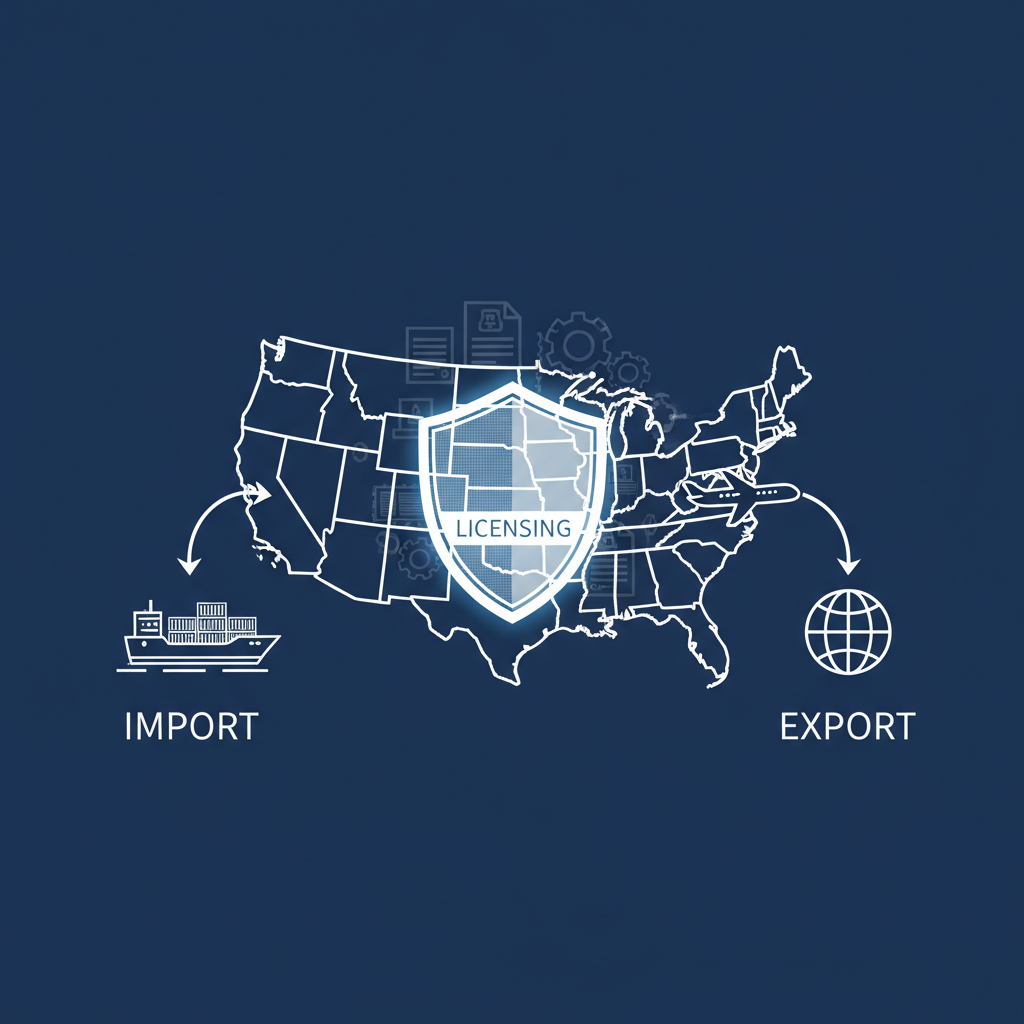
Navigating Import and Export Licensing in the United States: A Practical Guide for Businesses
Engaging in international trade, whether importing goods into the United States or exporting them to foreign markets, presents significant opportunities for business growth. However, success in this arena hinges on a thorough understanding and strict adherence to a myriad of complex regulations, particularly those pertaining to import and export licensing. Failure to comply can result in substantial fines, seizure of goods, and even criminal penalties. This guide provides a practical overview for entrepreneurs and business professionals seeking to navigate the intricate landscape of U.S. import and export controls.
Understanding the Regulatory Framework
The United States employs a multi-agency approach to regulate international trade, with different government bodies overseeing specific types of goods, technologies, and destinations. The primary agencies involved are the U.S. Customs and Border Protection (CBP), the Bureau of Industry and Security (BIS) within the Department of Commerce, the Directorate of Defense Trade Controls (DDTC) within the Department of State, and the Office of Foreign Assets Control (OFAC) within the Department of the Treasury.
U.S. Customs and Border Protection (CBP)
CBP is the frontline agency responsible for enforcing import laws and regulations. While most commercial imports do not require a specific import license in the traditional sense, all imported goods must clear customs and comply with various agency requirements. For instance, certain products like food, drugs, cosmetics, medical devices (regulated by the Food and Drug Administration - FDA), firearms (regulated by the Bureau of Alcohol, Tobacco, Firearms and Explosives - ATF), and agricultural products (regulated by the U.S. Department of Agriculture - USDA) require specific permits, certifications, or clearances from their respective agencies before they can be imported. Importers must also ensure proper classification of goods using the Harmonized Tariff Schedule (HTS) codes, determine the correct valuation, and pay applicable duties and taxes. A Customs Bond is generally required for commercial imports valued over $2,500 to guarantee payment of duties and compliance with import laws.
Bureau of Industry and Security (BIS)
BIS, under the Department of Commerce, regulates the export and re-export of most commercial and dual-use items (items with both commercial and potential military applications) under the Export Administration Regulations (EAR). The EAR employs the Commerce Control List (CCL), which categorizes items based on their Export Control Classification Number (ECCN). An ECCN is a five-character alphanumeric designation that identifies items for export control purposes. Determining the correct ECCN is crucial for identifying whether an export license is required. Most exports fall under an EAR99 designation, meaning they are subject to t