丹麦企业支付处理解决方案导航
这篇综合性文章探讨了在丹麦经营的企业可用的多样化支付处理解决方案。内容涵盖本地和国际选项、监管考量、成本影响以及为在丹麦市场中蓬勃发展而选择最佳系统的实用建议。
Introduction to Payment Processing in Denmark
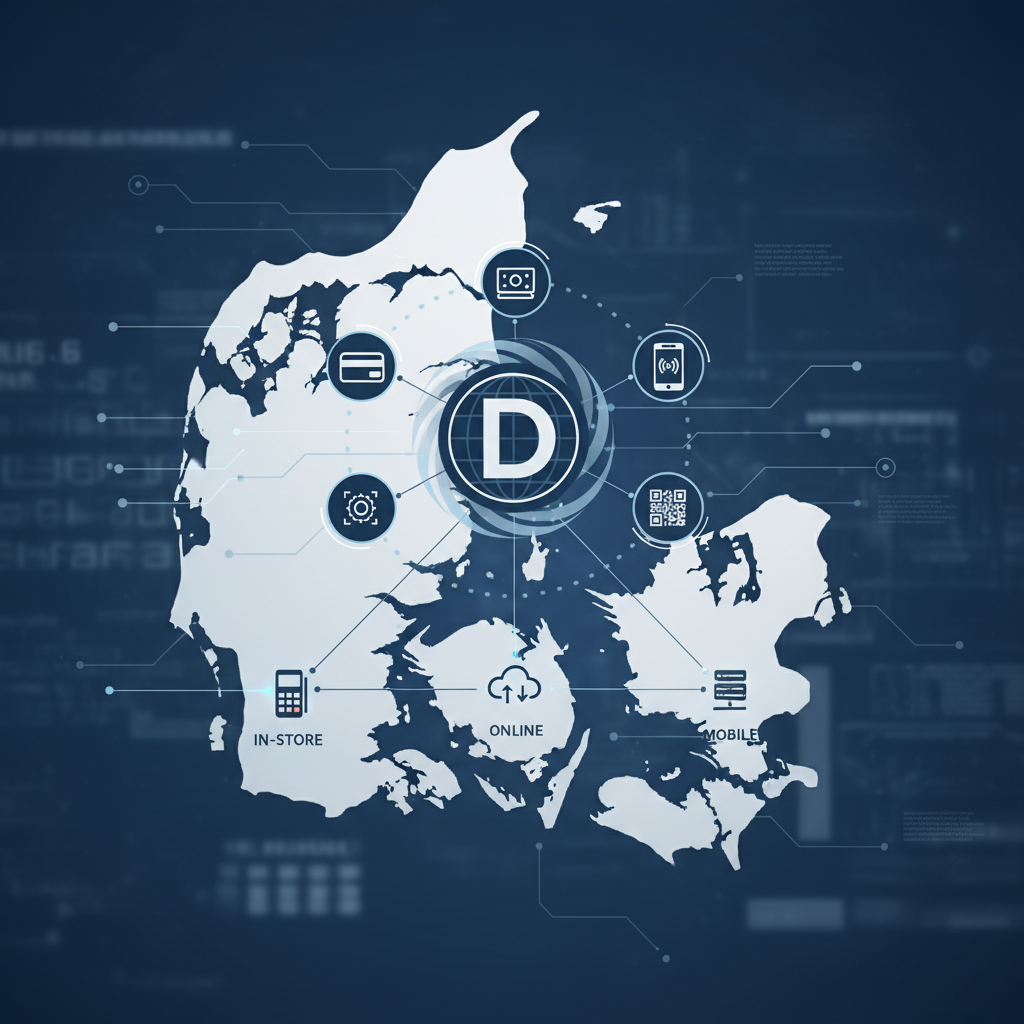
Denmark, a highly digitalised nation, offers a robust and sophisticated payment processing ecosystem for businesses. From traditional card payments to innovative mobile solutions, understanding the available options is crucial for any entrepreneur or established company looking to operate efficiently and cater to the preferences of Danish consumers. The Danish market is characterised by high card usage, a strong preference for digital payments, and a well-regulated financial sector. Businesses must navigate a landscape that balances local payment habits with international standards, ensuring compliance and cost-effectiveness while providing a seamless customer experience.
The regulatory environment in Denmark, largely influenced by EU directives such as the Revised Payment Services Directive (PSD2), prioritises security, transparency, and consumer protection. This means that payment service providers (PSPs) operating in Denmark must adhere to stringent requirements, including strong customer authentication (SCA) for many online transactions. For businesses, this translates into a need for reliable and compliant payment partners. Choosing the right payment processing solution is not merely about accepting payments; it's about optimising cash flow, reducing operational overheads, enhancing security, and ultimately supporting business growth in a competitive market.
Key Payment Methods and Solutions in Denmark
1. Card Payments: Dankort, Visa, and Mastercard
Card payments remain the cornerstone of transactions in Denmark. The domestic debit card, Dankort, holds a significant market share, often combined with Visa as a co-badged card (Visa/Dankort). Businesses operating in Denmark must ensure they can accept Dankort, as it is a preferred payment method for many Danes. Alongside Dankort, international schemes like Visa and Mastercard are widely accepted, especially for international customers and online transactions. American Express and Diners Club are also accepted, though less frequently.
To accept card payments, businesses typically need a merchant agreement with an acquirer (e.g., Nets, Worldline, Elavon) and a payment terminal (for physical stores) or a payment gateway (for online stores). Acquirers process the transactions and settle funds to the merchant's bank account. Fees usually involve a per-transaction fee and/or a percentage of the transaction value, which can vary based on card type (Dankort vs. international cards) and transaction volume.
2. Mobile Payment Solutions: MobilePay and Apple Pay/Google Pay
MobilePay, developed by Danske Bank, is arguably the most dominant mobile payment solution in Denmark. It allows users to send and receive money, pay in stores, and make online purchases directly from their smartphones. Its widespread adoption among Danish consumers makes it an essential payment option for many businesses, both online and in 实体店