为在西班牙的企业导航支付处理解决方案:全面指南
本全面指南探讨了在西班牙运营的企业可用的多样化支付处理解决方案格局。它深入研究了关键选项、监管注意事项、成本结构,并为选择在西班牙市场中茁壮成长的最优系统提供实用建议。
Navigating Payment Processing Solutions for Businesses in Spain: A Comprehensive Guide
Spain, with its vibrant economy and increasing digital adoption, presents a dynamic market for businesses. For any enterprise, whether a fledgling startup or an established multinational, efficient and secure payment processing is not merely a convenience but a fundamental pillar of success. Understanding the myriad of solutions available, alongside the regulatory framework and cost implications, is crucial for optimising operations and enhancing customer experience. This article provides a detailed overview of payment processing solutions in Spain, offering practical insights for entrepreneurs and business professionals.
The Evolving Landscape of Payments in Spain
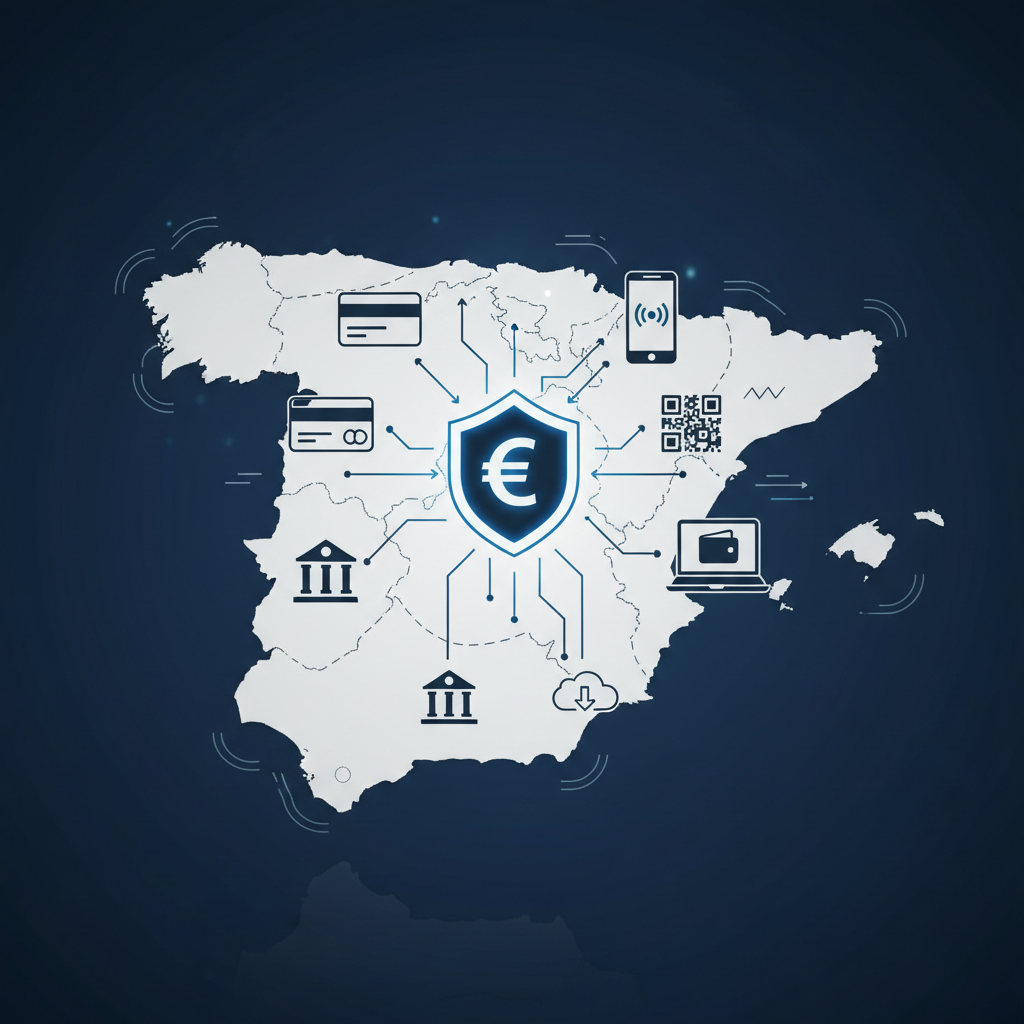
The Spanish payment ecosystem has undergone significant transformation, driven by technological advancements, changing consumer habits, and robust regulatory oversight. While cash remains prevalent in certain sectors, digital payments, including card transactions, mobile payments, and online transfers, are rapidly gaining traction. Businesses must adapt to this shift by offering a diverse range of payment options to cater to a broad customer base. The European Union's Payment Services Directive (PSD2) has played a pivotal role in shaping this landscape, fostering innovation, enhancing security, and promoting competition among payment service providers (PSPs).
Key Payment Methods in Spain
Businesses operating in Spain should consider supporting the following primary payment methods:
- Credit and Debit Cards: Visa and Mastercard are universally accepted, with American Express and Diners Club having a smaller but significant presence. Contactless payments via NFC technology are widespread.
- Bizum: This instant mobile payment service, supported by major Spanish banks, has become incredibly popular for person-to-person and increasingly for business-to-consumer transactions. Its simplicity and speed make it a strong contender for online and in-store payments.
- Bank Transfers (SEPA Credit Transfer and SEPA Direct Debit): Essential for B2B transactions, recurring payments, and larger sums. SEPA (Single Euro Payments Area) facilitates efficient cross-border euro payments within the EU.
- Digital Wallets: Apple Pay, Google Pay, and Samsung Pay are gaining popularity, offering convenience and enhanced security.
- Alternative Payment Methods (APMs): Depending on the target audience, other APMs like PayPal, Klarna (for instalments), or local specific options might be relevant.
Types of Payment Processing Solutions
Businesses have several options for integrating payment processing, each with its own advantages and considerations.
1. Traditional Merchant Accounts and Payment Gateways
Historically, businesses would establish a merchant account directly with an acquiring bank (e.g., BBVA, Santander, CaixaBank) and then integrate a separate payment gateway(例如.