Building and Managing a High-Performing Remote Team from Singapore: A Comprehensive Guide
Singapore, a global business hub, offers unique advantages for establishing and managing remote teams. This article provides a comprehensive guide for entrepreneurs and business professionals on navigating the regulatory landscape, leveraging technology, and fostering a productive remote work culture from the Lion City.
Building and Managing a High-Performing Remote Team from Singapore: A Comprehensive Guide
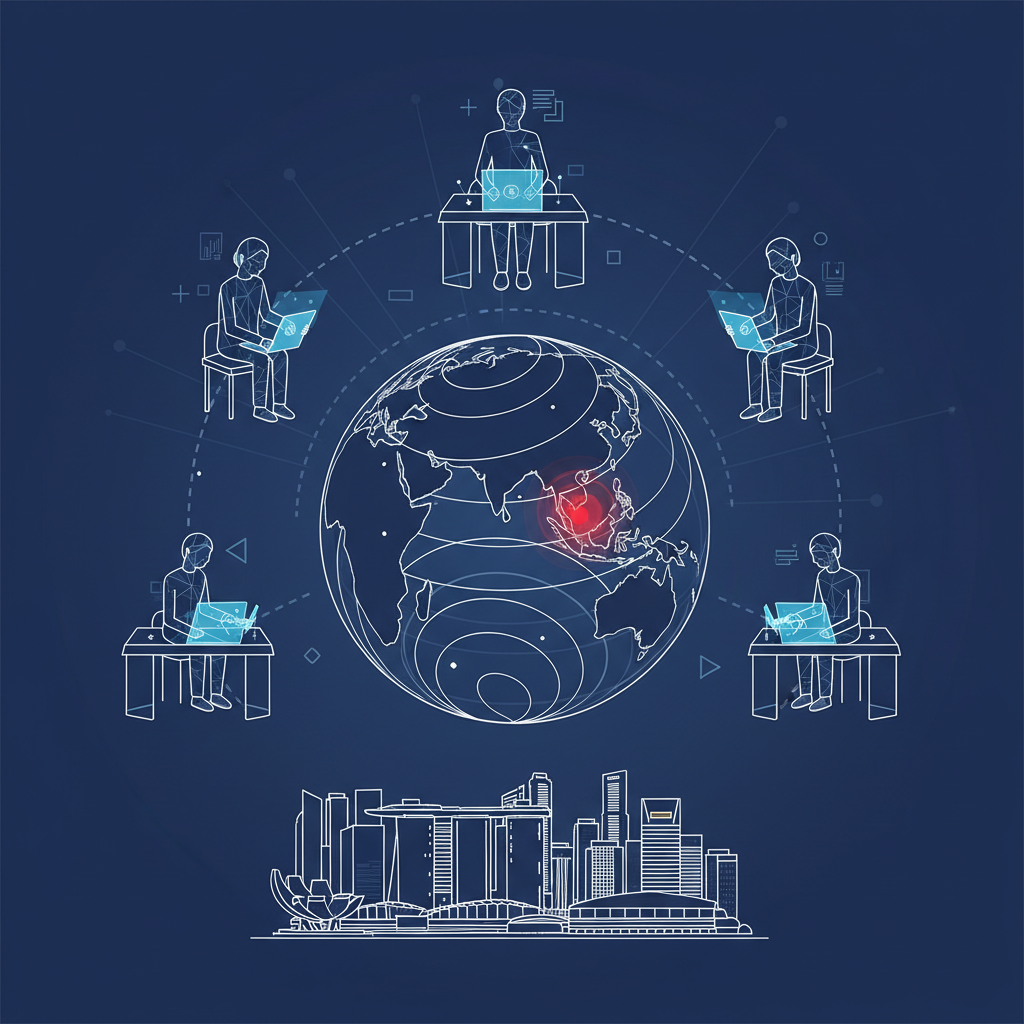
Singapore has long been lauded as a premier destination for businesses due to its strategic location, pro-business policies, robust infrastructure, and highly skilled workforce. In an increasingly globalised and digitalised world, the ability to build and manage remote teams effectively has become a critical competitive advantage. For companies operating from Singapore, leveraging its unique ecosystem to establish and oversee a distributed workforce presents both opportunities and challenges. This comprehensive guide delves into the practicalities, regulatory considerations, and best practices for building and managing a high-performing remote team from the Lion City.
The Strategic Advantage of Singapore for Remote Team Management
Singapore's appeal as a base for remote team management stems from several key factors. Its advanced digital infrastructure, including widespread high-speed internet connectivity, provides a seamless environment for virtual collaboration. The city-state's strong legal framework and commitment to intellectual property protection offer peace of mind for businesses dealing with sensitive data and proprietary information across borders. Furthermore, Singapore's multicultural environment and English as a working language simplify communication with a globally distributed workforce. Its excellent air connectivity also facilitates occasional in-person meetings, if required, for team members located in different regions.
Regulatory and Legal Frameworks
When building a remote team from Singapore, understanding the regulatory landscape is paramount. The primary considerations revolve around employment law, taxation, and data protection. If your remote team members are based outside Singapore, their employment contracts and terms will generally be governed by the laws of their respective countries of residence. However, if you are employing individuals within Singapore as remote workers, they fall under the purview of Singaporean employment law, including the Employment Act, which covers aspects like working hours, leave, and termination. Companies must ensure compliance with the Central Provident Fund (CPF) contributions for Singaporean citizens and Permanent Residents, and adhere to foreign worker policies if hiring non-residents.
For international remote employees, businesses often opt for an Employer of Record (EOR) service. An EOR legally employs the remote worker on your behalf in their country of residence, handling payroll, taxes, benefits, and compliance with local labor laws. This significantly reduces the administrative burden and legal risks for the Singapore-based company, allowing them to focus on core business activities. The cost of an EOR can range from SGD 500 to SGD 1,500 per employee per month, depending on the country and services included.
Taxation is another critical area. While Singapore offers attractive corporate tax rates, the tax implications for remote employees can be complex. Companies need to understand the concept of 'permanent establishment' – if a remote employee's activities in a foreign country create a permanent establishment, the Singaporean company might become liable for corporate tax in that country. Seeking professional tax advice is crucial to navigate these international tax complexities.
Data protection is governed by Singapore's Personal Data Protection Act (PDPA). Companies must ensure that personal data of employees, regardless of their location, is collected, used, and disclosed in compliance with PDPA, especially when transmitting data across borders. Implementing robust data security protocols and privacy policies is essential.
Establishing a Robust Remote Infrastructure
Successful remote team management hinges on a well-planned technological and operational infrastructure. Singapore's advanced digital ecosystem provides an excellent foundation.
Technology Stack for Collaboration and Productivity
Investing in the right technology stack is non-negotiable. This includes:
- Communication Platforms: Tools like Slack, Microsoft Teams, or Google Workspace for instant messaging, group discussions, and file sharing.
- Video Conferencing: Zoom, Google Meet, or Webex for virtual meetings, presentations, and team building.
- Project Management Software: Asana, Trello, Jira, or Monday.com to track tasks, manage workflows, and ensure transparency across projects.
- Cloud Storage: Google Drive, Dropbox Business, or OneDrive for secure document storage and collaborative editing.
- HR Management Systems (HRMS): Platforms that can handle onboarding, payroll integration, performance management, and leave requests for a distributed workforce.
- Security Tools: VPNs, endpoint detection and response (EDR) software, and multi-factor authentication (MFA) to protect company data and systems from cyber threats.
The cost for a comprehensive technology stack can vary widely, but expect to budget anywhere from SGD 50 to SGD 200 per employee per month for subscriptions to these essential tools.
Onboarding and Training Remote Employees
Effective onboarding is crucial for integrating remote employees into the company culture and ensuring they are productive from day one. This process should be structured and comprehensive, covering company policies, values, job-specific training, and introductions to team members. Creating a digital onboarding kit with all necessary documents, access credentials, and contact information is vital. Regular check-ins during the initial weeks help new hires feel supported and connected.
Fostering a Productive and Engaged Remote Culture
Managing a remote team goes beyond just technology and compliance; it requires a deliberate effort to cultivate a strong, cohesive culture.
Communication Strategies
Clear, consistent, and transparent communication is the bedrock of remote team success. Establish clear communication channels and expectations for response times. Encourage both asynchronous (e.g., email, project management comments) and synchronous (e.g., video calls) communication. Regular team meetings, one-on-one check-ins, and company-wide updates are essential. Singapore-based managers should be mindful of time zone differences when scheduling meetings, ensuring equitable participation across the team.
Performance Management and Trust
Shift the focus from 'face time' to results. Define clear objectives, key performance indicators (KPIs), and deliverables for each remote team member. Implement regular performance reviews and provide constructive feedback. Trust is paramount in remote work; empower your team members with autonomy and hold them accountable for their outcomes. Utilize performance management software to track progress and facilitate feedback loops.
Team Building and Engagement
Combat feelings of isolation by actively fostering team cohesion. Organise virtual team-building activities, such as online games, virtual coffee breaks, or themed discussions. Encourage informal interactions through dedicated social channels. Consider annual or semi-annual in-person retreats in Singapore or a central location to strengthen bonds and reinforce company culture. Singapore's vibrant hospitality sector offers numerous options for such gatherings.
Challenges and Mitigation Strategies
While the benefits are numerous, managing remote teams from Singapore also presents challenges.
Time Zone Management
Coordinating across multiple time zones can be taxing. Strategies include staggering work hours, designating core collaboration hours, and leveraging asynchronous communication tools effectively. Singapore's central location in Asia makes it a good hub for managing teams across APAC, but extending to Europe or the Americas requires careful planning.
Cultural Differences
Managing a diverse global team means navigating various cultural norms and communication styles. Provide cultural sensitivity training, encourage open dialogue about differences, and promote an inclusive environment where all voices are heard and respected.
Cybersecurity Risks
Remote work can increase cybersecurity vulnerabilities. Implement strict security policies, provide regular cybersecurity training to employees, ensure all devices are secured and updated, and consider implementing a 'zero-trust' security model.
Conclusion
Building and managing a remote team from Singapore offers a compelling proposition for businesses seeking global reach and operational flexibility. By strategically leveraging Singapore's robust infrastructure, navigating its clear regulatory environment, and meticulously planning for technology, communication, and culture, companies can establish a high-performing, engaged, and resilient distributed workforce. While challenges such as time zone differences and cultural nuances exist, proactive strategies and a commitment to fostering trust and connectivity will ensure success. Singapore's position as a leading business hub makes it an ideal launchpad for embracing the future of work through effective remote team management.